Last Saturday, Henry helped me make pancakes, which meant flour on the floor, blueberry syrup on the counter, and one hot skillet placed exactly where it should not have been. Moments like that are why homeowners ask about quartz vs quartzite. Both can look beautiful in a remodeled kitchen, but they behave differently when dinner is late, the contractor is gone, and someone forgets a trivet. The right choice depends on how you cook, clean, and live rather than which sample looks most dramatic under showroom lighting.
What is the difference between quartz and quartzite?
The simplest distinction is that quartz countertops are engineered surfaces, while quartzite is a natural stone. Most quartz slabs combine ground quartz minerals with resins and pigments. That manufacturing process creates consistent colors and patterns, including convincing marble-like designs from brands such as Caesarstone, Cambria, Silestone, and MSI. A fabricator cuts the slab to fit your cabinets and sink openings.
Quartzite begins as natural sandstone transformed by heat and pressure inside the earth. Each slab is quarried, polished, and sealed before installation. Its veining is genuinely geological, so two slabs from the same quarry can look noticeably different. Popular varieties include Taj Mahal, Mont Blanc, and Super White, although names are not always used consistently between stone yards. Ask to see the actual slab, not only a 4-by-4-inch sample.
In a direct quartz vs quartzite comparison, quartz usually wins on predictable appearance and everyday convenience. Quartzite often wins when you want the depth, movement, and one-of-a-kind character of natural stone. Neither is automatically the better countertop for every household.
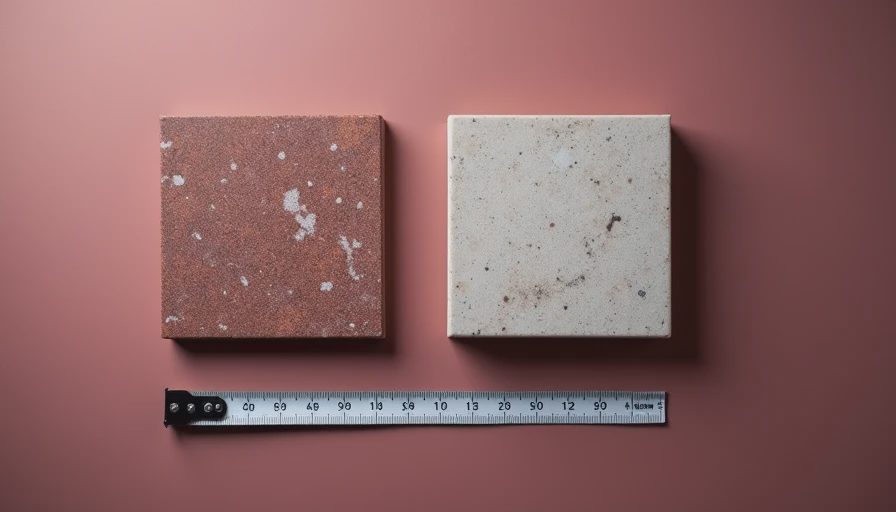
Durability and daily messes
For a busy family kitchen, both materials offer strong performance. Quartz is nonporous, so tomato sauce, coffee, and pancake batter generally stay on the surface instead of soaking into it. A damp microfiber cloth and a small amount of dish soap handle most spills. That is particularly useful if cleaning happens after bedtime rather than immediately after breakfast.
Quartzite is also hard and durable, and a quality slab can handle years of chopping, baking, and meal preparation. It is porous, however, which means it needs professional sealing before use and periodic resealing. A sealer does not make the stone indestructible; it gives you more time to wipe up wine, beet juice, or oil before staining becomes a problem.
Neither surface is scratch-proof. Use a cutting board instead of treating the island like a butcher block, and avoid abrasive powders that can dull the finish. Quartz can be damaged by strong solvents or prolonged exposure to harsh cleaners, while quartzite can lose its polished appearance if repeatedly scrubbed with gritty products. In this part of the quartz vs quartzite decision, habits matter as much as hardness.
Heat, sunlight, and repair concerns
Heat is where many showroom conversations become too simple. Quartz can tolerate normal kitchen warmth, but resin binders can discolor or crack when exposed to a very hot Dutch oven, cast-iron skillet, or slow cooker directly from the burner. I use a $12 cork trivet beside the range, and it has prevented more than one frantic countertop rescue. Put hot cookware on a trivet every time.
Quartzite generally has better heat resistance because it is natural stone without the same resin content. Even so, sudden extreme temperature changes can stress any stone, and a hot pan can damage a sealer or finish. A trivet remains sensible rather than optional.
Direct sunlight deserves attention too. Some quartz colors can shift over years near a large south-facing window, particularly where ultraviolet exposure is strong. Quartzite is less likely to have that resin-related concern, though its sealer and surrounding finishes still need care. Chips along an edge can sometimes be repaired by a skilled fabricator, but a repair may remain visible in bright light. Ask about edge profiles and repair policies before signing the installation contract.
Quartz vs quartzite cost and installation
Pricing depends on region, slab thickness, pattern, edge work, sink cutouts, backsplash height, demolition, and installation complexity. As a broad planning range, installed quartz often lands around $60 to $120 per square foot. Quartzite commonly falls around $70 to $150 or more per square foot, especially for premium slabs with dramatic veining. A 45-square-foot island-and-perimeter project could therefore range from roughly $2,700 to $6,750 before unusual structural work or upgraded edges.
The slab price is only one line on the estimate. A waterfall edge can add substantial fabrication labor, and a farmhouse sink may require careful support and a larger cutout. Quartzite also tends to involve more time at the stone yard because you need to inspect slabs for fissures, fill, and color variation. Those details are not necessarily defects, but you should understand what you are buying.
When comparing quartz vs quartzite bids, request the slab name, thickness, square footage, edge profile, sink cutout cost, installation charge, sealing charge, and warranty terms in writing. A quote that is $1,000 lower may simply exclude templating or the backsplash.

Which material suits your cooking style?
Choose quartz if your priority is low maintenance, consistent design, and easy coordination with cabinets. It is a practical match for a household that prepares cereal at 7 a.m., packs lunches at 7:30, and does not want to think about sealing stone every year or two. Matte gray, warm white, and soft beige quartz can also make cabinet and backsplash decisions easier because the pattern is controlled.
Choose quartzite if natural variation is central to the design and you are comfortable with a little maintenance. It is especially compelling on a large island where long veins can become part of the room's architecture. A honed or leathered finish may hide small marks differently from a high polish, but ask the fabricator how that finish should be cleaned and sealed.
A quartz vs quartzite choice should also account for your lighting. Bring cabinet and flooring samples to the stone yard during daylight and under warm indoor bulbs. A white slab that looks crisp at noon can read blue beside cool LED lighting, while a cream slab may look yellow next to bright white cabinetry.
Questions to ask before ordering
Start by asking whether the material is truly quartzite or a related stone being marketed under a familiar name. Request the technical care sheet and warranty, then ask how often the fabricator recommends sealing. Confirm whether the slab has been inspected for resin fill, hairline fissures, or repairs. These questions are not difficult, and a reputable showroom should answer them clearly.
Measure your existing counters, but let the fabricator create the final template after cabinets are installed and leveled. Keep appliances, faucet specifications, and sink models available at that appointment. A 30-inch range, an undermount sink, and a 1.5-inch overhang can change the cutting plan enough to affect both cost and appearance.
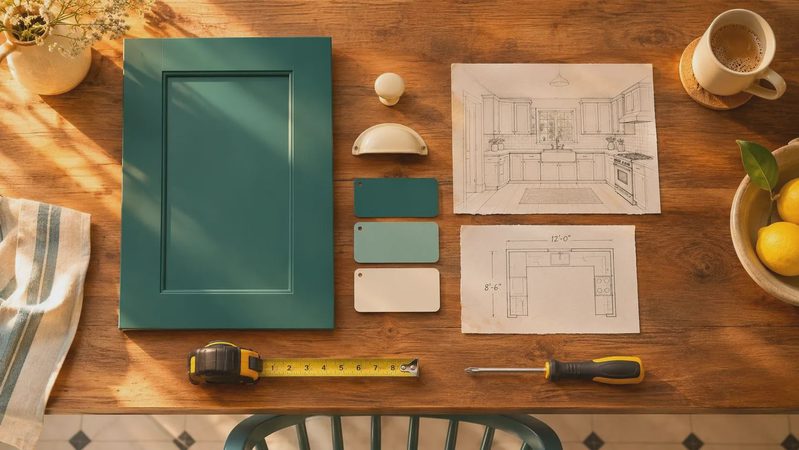
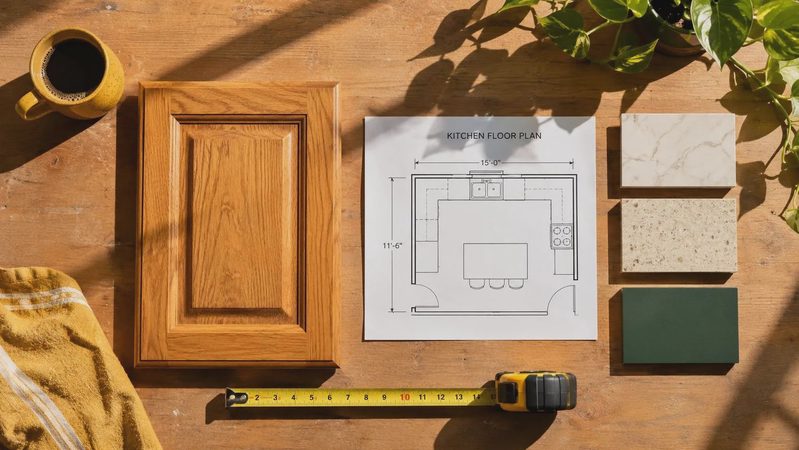
For quartz vs quartzite, also ask to see a full slab in person before approving the layout. Photograph the slab with your cabinet door beside it, mark the preferred vein direction, and confirm where seams will fall. On a peninsula, seam placement can matter more than a small color difference.
My practical recommendation
For most families who want a calm, forgiving work surface, quartz is the easier recommendation. It handles ordinary spills without sealing, offers abundant colors, and makes a busy renovation schedule less complicated. It is not carefree around heat, but a trivet and reasonable cleaning routine solve that issue for most kitchens.
Quartzite is the more expressive choice. If you love the exact slab, accept natural variation, and will pay for proper fabrication and sealing, it can bring exceptional depth to an island or perimeter. Do not choose it only because a salesperson calls it more durable; choose it because its appearance and maintenance fit your household.
The most useful quartz vs quartzite test is simple: imagine your counter after a rushed Tuesday dinner, not just after installation. If you want consistency and fewer care tasks, select quartz. If you want natural stone character and are willing to participate in its upkeep, select quartzite. A great kitchen does not happen by accident. It happens by how you live in it.

No comments yet — be the first to share a thought.