At 6:45 on a Tuesday morning, my son Henry was spreading pancake batter across the island while I tried to answer a work email. The surface took the mess, the maple warmed the room, and nobody worried about a tiny splash of vanilla. That is the appeal of a butcher block countertop: it looks considered without requiring your kitchen to behave like a showroom. Before you order one, though, you need to understand wood species, sealing, maintenance, and where this material makes sense in a busy home.
Why wood works in a working kitchen
A butcher block countertop brings warmth that stone and solid-surface materials often lack. The grain softens a room filled with painted cabinets, stainless appliances, and hard tile. It also feels pleasant under your hands, especially during baking or food preparation. I have specified wood islands for large remodels and recommended affordable prefinished sections from home improvement stores for smaller updates. Both can look excellent when the design matches the way the household cooks.
Wood is also repairable. A shallow scratch can often be sanded and refinished instead of permanently displayed. That is useful in a family kitchen where a cast-iron skillet, grocery bag, or toy dinosaur occasionally lands harder than expected. A butcher block countertop can develop marks, but those marks are usually manageable. The question is whether you enjoy a surface that gains character or want something that stays visually uniform.
Cost is another reason homeowners consider it. A standard 1.5-inch-thick maple or birch slab may cost roughly $40 to $100 per linear foot for the material, while custom walnut, thicker edge details, and professional fabrication can push the project well above $150 per linear foot. Installation, sink cutouts, backsplash details, and finishing add to the final bill.

Choosing the right wood species
Maple is my practical default for a butcher block countertop. It has a relatively tight grain, a light appearance, and enough visual calm for kitchens with colorful tile or busy cabinet hardware. Birch is often less expensive and gives a similar pale look, though its grain can feel slightly less distinctive. Beech is another durable option with a warm, understated tone.
Walnut is beautiful, darker, and generally more expensive. It can make a white kitchen feel less stark, but darker wood shows flour, crumbs, and scratches more clearly. Cherry starts lighter and deepens with exposure to light, making it a good choice if you like a surface that changes over time. Oak has pronounced grain and a more traditional personality; I prefer it when the cabinetry already has simple, unfussy lines.
Pay attention to construction, not just color. Edge-grain panels are made by joining boards along their edges and are common for countertops. End-grain blocks show the cut ends of the wood and are extremely distinctive, but they can be heavier and more expensive. Ask whether the wood is unfinished, factory sealed, or intended for a food-preparation surface. Those details affect both the installation schedule and the maintenance routine.
Where to install it and where not to
A butcher block countertop is especially effective on an island, a baking station, or a short stretch of counter away from the main sink. These locations provide visual warmth without exposing every inch of the kitchen to standing water. In my own kitchen, the island gets pancake batter, cookie dough, and grocery sorting, while the sink run has a more water-resistant surface.
The area around a sink deserves caution. Repeated water exposure can cause swelling, darkened seams, or finish failure if edges are not sealed carefully. A wood top can still work there, but the sink cutout needs thorough finishing and the surrounding surface requires more frequent attention. I would not place an unsealed wood top beside a dishwasher or under a frequently dripping faucet.
Heat also matters. Wood tolerates ordinary kitchen activity, but a hot Dutch oven or baking sheet can leave a burn mark. Use a trivet rather than treating the counter as a landing zone. That small habit costs less than refinishing an entire island.
Sealing and everyday care
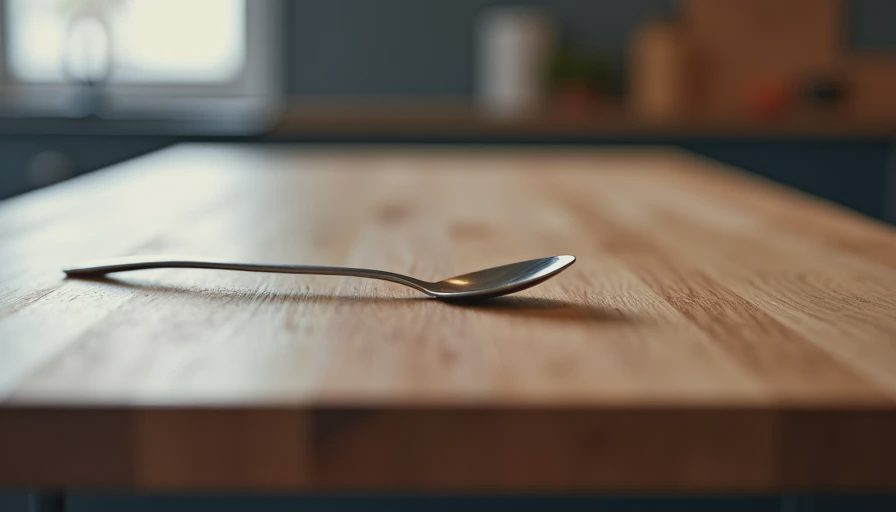
The best finish depends on how you use the surface. A film finish, such as polyurethane, creates a protective layer and is easier for many homeowners because it resists routine spills. It is not the same as a cutting board, however. Cutting directly on a film-finished butcher block countertop can damage the coating and create an uneven repair.
An oil-and-wax finish gives a softer, more natural feel and is often chosen for food preparation. It requires regular reapplication, especially during the first several months. Mineral oil designed for food-contact surfaces is widely available, and a $10 to $15 bottle can handle several maintenance applications. Avoid cooking oils such as olive or vegetable oil; they can become sticky or rancid.
For daily cleaning, wipe spills promptly with a damp cloth and mild dish soap, then dry the surface. Do not leave a wet dish mat, puddle, or leaking appliance in place overnight. Never flood the counter with cleaner. Once or twice a year, inspect seams, sink edges, and areas beside the faucet. If the wood looks dry or pale, it probably needs maintenance rather than a dramatic replacement.
Installation details that prevent regrets
Wood moves naturally as humidity changes, so it should not be fastened as if it were stone. Installers typically use slotted brackets, figure-eight fasteners, or similar hardware that lets the top expand and contract. The countertop also needs room at walls and between adjoining sections. A careful installer will explain those movement gaps instead of forcing the material tightly into place.
Let the wood acclimate inside the home before installation. In Chicago, where winter heating can make indoor air especially dry, that step matters. A butcher block countertop installed straight from a cold garage may change dimension after the heat comes on. Cabinets should be level, and the sink opening should be sealed thoroughly before plumbing is connected.
Budget for finishing even when the slab is marketed as ready to install. Edges may need trimming, corners may need rounding, and exposed ends may require extra coats of finish. A professional cutout for an undermount sink can cost more than a basic drop-in opening, but the clean result is often worth it.
Is it right for your household?
Choose this material if you want warmth, appreciate natural variation, and can handle a five-minute wipe-down after cooking. It suits homeowners who enjoy occasional touch-ups and do not expect every surface to remain perfect. It is less suitable for a kitchen where water sits on counters, hot pans are routinely dropped, or nobody wants a maintenance task on the calendar.
You do not need to use it everywhere. Pairing a wood island with quartz or porcelain around the sink creates contrast and divides responsibilities between surfaces. A white oak island can anchor a modern kitchen, while walnut can make a simple galley feel more finished. Even a small 24-by-72-inch prep section can add the visual warmth people often seek during a remodel.
Before ordering, bring home samples and view them beside your cabinet doors, flooring, and backsplash in morning and evening light. Compare the installed cost, not only the slab price. Ask about finish renewal, sink compatibility, and the recommended cleaning products. A great kitchen does not happen by accident. It happens by how you live in it, and the best butcher block countertop is the one that fits that life.


No comments yet — be the first to share a thought.