Last Tuesday, Henry turned our sink into a splash zone while rinsing blueberries, and that is exactly when kitchen sink faucets prove whether they were chosen for a catalog photo or for a real family. I have seen beautiful remodels lose points because the faucet felt sticky, sprayed sideways, or knocked into the window over the sink every time someone opened it. A good one should make dishwashing, filling pasta pots, and quick hand rinses easier, not more fussy. That is why I start with use, not style. If the faucet matches your sink setup, feels smooth in your hand, and survives hard water without constant wiping, you will notice it every single day.
Start with the sink you already have
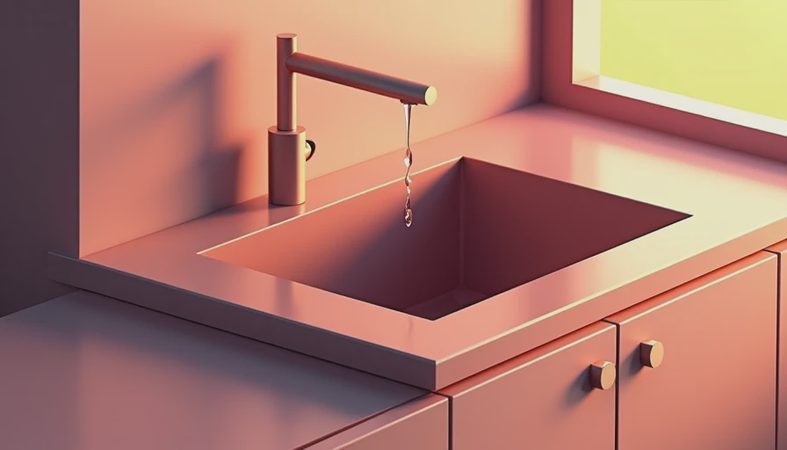
Before you fall for a finish, kitchen sink faucets need to match the holes in your sink or countertop. A basic single-hole sink can take a single-handle faucet or a pull-down model, while a four-hole setup may need an escutcheon plate to cover old openings. That detail sounds small until install day, when a pretty faucet sits in a box because the mounting pattern is wrong. I always tell homeowners to count holes, measure the space behind the sink, and check whether a window or shelf will block the handle. A high-arc spout looks elegant, but it can feel awkward under a shallow cabinet or a low window. The right shape depends on the room you actually cook in, not the one in the showroom.
Handle feel matters too. A single lever is easier when one hand is full of soap or a pan, and a side lever can help if you have a low backsplash. If you are replacing an older faucet, look at the supply lines and shutoff valves while the sink is open. A $20 valve that sticks now is better replaced before it becomes a weekend project.
The features worth paying for
For kitchen sink faucets, I care most about a smooth pull-down hose, a spray head that docks securely, and a cartridge that does not feel loose after a year. The best models make the hose glide back into place without a thunk, and that quiet little click matters more than people expect. Ceramic disc cartridges are standard on better faucets because they resist drips and wear well. You do not need every smart feature on the market, but a pause button, a simple stream-and-spray toggle, and a swiveling spout are genuinely useful on a busy night.
Brand names help here because they usually tell you where the faucet sits in the market. Moen and Delta both make dependable pull-down models in the roughly $150 to $300 range, while Kohler, Kraus, and Brizo often climb into the $250 to $600 range depending on finish and design. That does not mean the most expensive option is the best fit. It means you should pay for the parts you will touch every day, not the marketing language on the box. If your family fills big stock pots or washes tall sheet pans often, a higher reach and a strong spray stream are worth more than decorative details.
Touchless models can be handy when your hands are covered in dough or raw chicken juices, but they add batteries, sensors, and one more thing to troubleshoot. In my experience, they are great for some households and unnecessary for others. If you want one, choose a model with a manual override so you are not stuck when the batteries die.

Finish choices that hide real life better
Chrome is bright and classic, but it also shows water spots fast. Stainless and brushed nickel are usually kinder in a kitchen that gets used all day, especially if you have hard water. Matte black can look sharp, though it tends to reveal dried soap and mineral specks more than people expect. I like finishes that read as calm in daylight and do not fight with the cabinet hardware. You do not have to match every metal exactly. A brushed nickel faucet can live happily with stainless appliances and simple brass pulls if the whole room feels intentional.
Think about cleaning habits honestly. If you are already wiping the counter after dinner, a finish that shows less mess will save your patience. If you are not the type to polish fixtures weekly, skip anything that depends on constant buffing. A microfiber cloth and a little vinegar go a long way for hard-water spots, but no finish is magic. The best choice is the one that looks good after a busy Sunday, not just on install day.
What installation really costs
When I budget kitchen sink faucets for clients, I always leave room for labor and small parts, because those hidden numbers add up fast. A straightforward replacement might cost $150 to $350 for a plumber if the holes already match and the shutoff valves behave. If the job needs new supply lines, a new escutcheon, or valve repair, that can move closer to $400 to $800. In older homes, especially the kind with a few renovations layered over the years, the old plumbing behind the sink is often the real story.
This is also where a cheap faucet can stop being cheap. If a plumber has to return because the spray hose leaks or the handle binds against the backsplash, you end up paying twice. I would rather see a homeowner buy a solid midrange faucet and a proper install than stretch for a luxury look and cut corners on labor. The daily experience is what lasts.
If you are doing the work yourself, dry-fit everything before you tighten the nuts underneath. Check the swing of the handle, the pull of the hose, and the clearance to the soap dispenser. Ten minutes of testing can save an hour of crawling under the sink later.
The shortcuts that cause regret
The biggest mistake I see is choosing by photo alone. A tall faucet can look graceful online and feel enormous in a small kitchen. A fancy spring style can overwhelm a modest sink and make wiping crumbs around the base harder. Another common problem is buying the cheapest model with the finish you want and then living with a wobbly handle, a weak spray, or a head that does not seat properly after a few months. I have watched kitchen sink faucets bought on sale turn into daily irritations because the lever felt sticky or the hose caught on the faucet body.
Soap dispensers are another sneaky extra. Built-in ones can be useful, but they need to refill cleanly and sit far enough from the faucet to avoid a crowded deck. If your sink is already tight, a standalone pump on the counter may be the easier answer. Same with filtered-water taps: they are great when you will use them, but they can clutter the deck if they are just there because the package looked complete.

A simple shopping test before you buy
The best kitchen sink faucets pass a quick reality test. Picture a pot of boiling pasta in one hand, a sticky spoon in the other, and a five-year-old asking for water at the same time. Can you switch the stream without fumbling? Does the spout clear the sink basin without splashing the counter? Will the handle move easily even when your hands are soapy? If the answer is yes, you are close.
I also like to check the fine print before checkout. Look at the warranty length, the cartridge type, and whether replacement parts are easy to find. Read a few reviews that mention six months or a year of use, not just the first impression. That is where you learn if the finish dulls, the hose sags, or the spray head starts dripping after the honeymoon period.
In a kitchen that works, small hardware choices matter. A faucet is not the star of the room, but it touches your routine more than almost anything else at the sink. Choose one that feels steady, cleans up easily, and fits the way you cook. A great kitchen doesn't happen by accident. It happens by how you live in it.


No comments yet — be the first to share a thought.