At my house, the kitchen faucet is the thing Henry reaches for with sticky hands while I am trying to drain pasta, rinse berries, and pretend the counter is clean. It is also the part of the sink area that reveals a bad decision fastest: a handle that needs both hands, a spray that dribbles, a spout that bangs the window trim, or a finish that shows every Chicago water spot by Tuesday. If you are updating a sink zone, the kitchen faucet deserves as much thought as the countertop edge. A pretty photo does not matter much if the fixture is awkward when the pan is hot and one child is asking for apple slices.
What matters when you use it every day
When I help a family choose a kitchen faucet, I start with the boring stuff that matters after the first month: a single lever you can bump with an elbow, a spray head that snaps back into place, and a valve that does not feel loose the day after install. Delta, Moen, Kohler, and Kraus all make solid options in the roughly $150 to $350 range, with touchless or high-end finishes climbing past $500. A good faucet should move smoothly, not squeak or wobble, and it should give you enough reach to fill a pasta pot without dragging the rim against the sink. WaterSense models that use 1.8 gallons per minute or less can keep water use reasonable without making you wait forever.
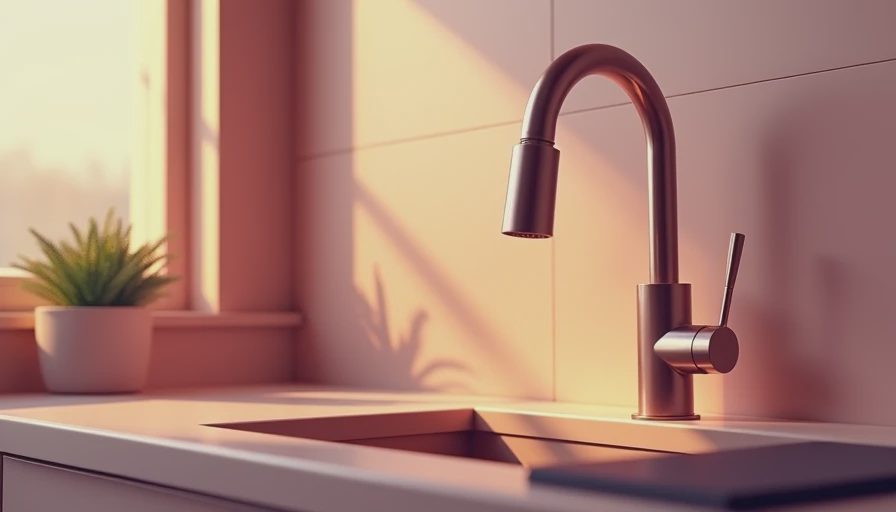
If the sink is small, a giant spring-neck model can look dramatic in a showroom and feel annoying at home. Measure the space behind the sink, the window sill, and the cabinet above it before you fall for a tall profile. A faucet with a pull-down spray works well for most households because the hose does the reaching, not your wrist. In a narrow galley kitchen, I often prefer a simpler silhouette because it leaves more room for dish soap, a drying rack, and the inevitable bowl of fruit that starts out tidy and ends up half eaten. The best-looking fixture is the one that does not fight the room.

Pull-down, pull-out, and touchless options
A pull-down kitchen faucet is usually my first recommendation for real life because the spray head comes toward you and the hose has enough length to rinse a colander or a greasy skillet. Pull-out models can be useful in shallow sinks, especially when the spout needs to stay lower under a shelf. Touchless versions are handy when your hands are covered in raw chicken or cookie dough, but they are only worth it if the sensor feels reliable and the power source is easy to access later. I like to think in terms of chores: if you wash sheet pans, fill watering cans from the sink, or rinse a toddler's art cup ten times a day, reach and control matter more than showroom drama.
The finish on a kitchen faucet should match how forgiving you want cleanup to be. Chrome is easiest to wipe clean and usually costs less; brushed nickel hides fingerprints better; matte black looks sharp but can show mineral haze if your water is hard, which is a real thing in a lot of older homes. If the sink has extra holes, a deck plate keeps the whole install tidy. If you are switching from a two-handle setup, confirm that the new faucet will clear the backsplash when the handle lifts back. That little detail can save you from a faucet that technically fits but still annoys you every time you wash a pan.
Installation matters more than most people expect. A sturdy kitchen faucet should feel anchored, not like it is twisting on the counter every time you pull the spray head. If your shutoff valves are older, budget for a plumber to replace them while the sink is open; that service often lands somewhere around $200 to $450, and it is cheaper than calling someone back later. A simple replacement might take under an hour for a pro, but a first-time DIY install can turn into a half-day if the sink has odd holes, cramped plumbing, or a brittle supply line. The goal is not just getting water out of the tap. The goal is getting a clean, quiet install that does not leak under the cabinet.
Budget ranges that make sense
Budget is where people either overspend on looks or underspend on the one piece they touch every day. In the $100 to $150 range, you can find basic models that work fine, but they may feel lighter and use simpler cartridges. Around $180 to $350 is the sweet spot for a lot of homes, where brands like Moen, Delta, and Kraus offer smoother motion, better spray functions, and finishes that hold up. If you want a premium design from Kohler or Hansgrohe, or a touchless option with a magnetic docking head, plan for $400 to $700 or more. That does not mean the pricier one is always better, only that you are paying for details you notice every morning.
If you are remodeling, remember that the faucet cost is only part of the bill. New supply lines, a plumber visit, and a missing deck plate can add another $50 to $300 before the sink is done. I have seen clients save money on cabinets and then regret buying a bargain fixture that felt flimsy by month three. I have also seen a $220 faucet look and perform better than a much pricier showpiece because the design was simple and the spray hose was solid. The best value is the one that makes daily cleanup easier without asking for a second thought.
The easiest way to narrow it down
If you want the easiest path, stand at the sink and do a quick reality check before you buy. Picture washing a stockpot, rinsing berries, and filling a coffee carafe without turning your shoulder sideways. Think about who uses the sink besides you: a child, a partner, a guest, anyone with sore hands, anyone who prefers one-handed operation. A kitchen faucet that feels intuitive in the store is usually the one that keeps feeling good after the first messy week. My rule is simple: choose the version that makes cleanup less annoying and cooking a little faster, then stop shopping. A great kitchen doesn't happen by accident. It happens by how you live in it.



No comments yet — be the first to share a thought.