The first time Henry tried to slide chopped onion off one of my wooden cutting boards, half of it landed in the sink and the other half on the floor. I laughed longer than I should have, because that was the moment I remembered why the right board matters. A good board is quiet under a knife, gentle on blades, and sturdy enough to live on the counter without looking precious. But it only works well if you buy for real use, not for a catalog photo.
What makes one board worth keeping
When I help someone pick wooden cutting boards, I start with wood species and grain, because that is where most of the long-term difference lives. Hard maple is the classic choice for a reason: it is dense, steady, and usually priced in the middle of the pack. Walnut has a richer color and tends to cost a little more. Cherry sits somewhere between the two in price and darkens nicely over time. Bamboo is technically a grass, not a hardwood, and it can be fine for light use, but it often feels harder on knives and more prone to splintering if it is thin.
End-grain boards are the butcher-block look everyone loves in photos. They are kinder to knives and they hide cut marks better, but they also cost more and weigh more. A John Boos board often starts around $90 and climbs from there, while a good midrange Teakhaus board can land closer to $60 to $130 depending on size. If you cook most nights, I think that money is better spent on a solid board than on a flashy gadget that lives in a drawer.
Size matters more than people think
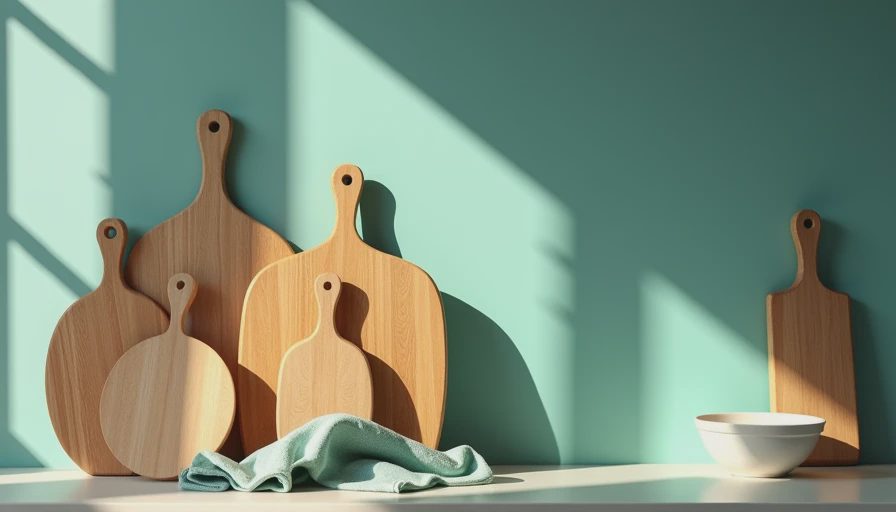
For most homes, wooden cutting boards in a 12-by-18-inch or 15-by-20-inch size feel easiest to live with. Anything smaller gets crowded fast once you add an onion, a loaf of bread, and a mixing bowl on the counter. Anything much larger can be annoying to wash in a standard sink and hard to dry without leaning it against a cabinet for half the afternoon.
Thickness matters too. A board around 1.25 to 1.75 inches thick feels stable, while a thin 0.75-inch board can skate around when you are chopping parsley in a hurry. If you have room, keep one larger board for prep and a second smaller one for fruit, cheese, or garlic. That is the setup I use at home, and it cuts down on cross-flavor transfer. Nobody wants strawberries that taste faintly like onion.
Cleaning without babying it
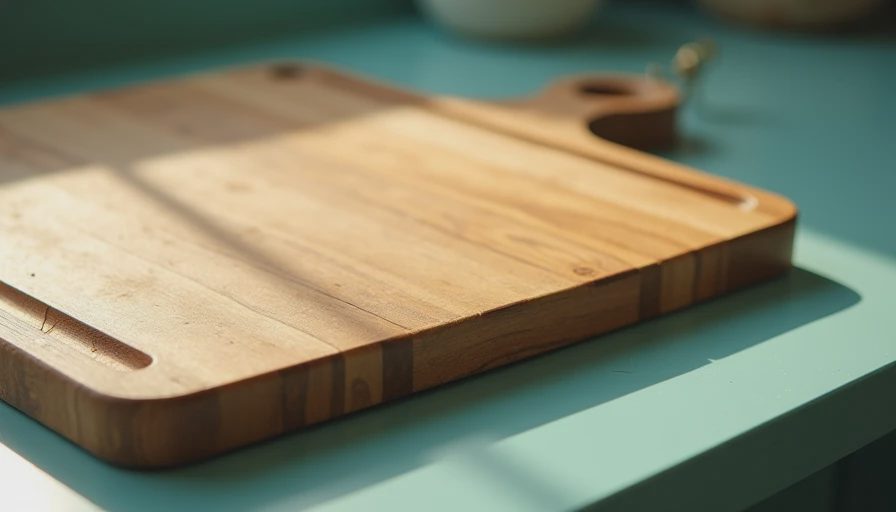
Cleaning wooden cutting boards is simpler than people fear, but the routine has to be consistent. I wash mine by hand with warm water, a little dish soap, and a sponge or soft brush, then dry it immediately with a towel and stand it on edge so air can reach both sides. The dishwasher is the fast way to warp a board or open up small cracks, especially if the board has a glued edge. Soak it, and you are asking for trouble too.
If you use the board for raw chicken or meat, wash it right away. For extra peace of mind, I sometimes sprinkle coarse salt and rub with half a lemon on older boards, then rinse and dry. That is not a magic trick, just a decent reset when a board starts to smell like last night’s onions. A board that stays flat, dries quickly, and does not collect dark stains is one that will last for years.
Oil, wax, and the smell test
Once a month is enough for most kitchens, though a dry climate or heavy use can call for more frequent care. Mineral oil is the standard answer because it is food-safe and easy to find at places like Target, Home Depot, or any decent kitchen shop for about $8 to $15 a bottle. Some people like a beeswax blend, such as Boos Block Mystery Oil or Howard Butcher Block Conditioner, because it adds a little more water resistance and a soft sheen.
The trick is to oil lightly, let it sit overnight, and wipe off the excess so the surface does not feel greasy. If a board starts looking pale, thirsty, or rough, it is asking for oil. If it smells musty even after washing and drying, that is usually a sign moisture has gotten into the fibers. A little maintenance here saves you from replacing a board that was otherwise perfectly good.
When to keep using it, and when to move on
When wooden cutting boards start to split, wobble, or smell musty after washing, that is the moment to stop trying to rescue them. Deep cracks are not just cosmetic; they trap moisture and food particles. A board with a slight knife scar can keep working. A board with a split corner, a lifted seam, or a warp that rocks on the counter deserves retirement.
I usually tell people to think of replacement in stages. If the board still lays flat and the surface can be refreshed with sanding and oil, keep it. If the glue is failing or the crack runs all the way through, move on. For a family kitchen, that usually means replacing a heavily used board every several years, not every season. And if you are shopping now, I would spend the money on one good board and one backup rather than a full matching set. A great kitchen doesn't happen by accident. It happens by how you live in it.





No comments yet — be the first to share a thought.