Saturday mornings in my kitchen usually begin with a five-year-old on a step stool, a mixing bowl balanced too close to the sink, and at least one egg rolling toward the floor. Henry calls this organized baking. I call it a reason to keep a towel nearby. This chocolate chip cookie recipe is the one I make when we want reliable cookies without turning the counter into a pastry lab. It produces golden edges, soft centers, and enough structure to survive a lunchbox.
The ingredients that make the difference
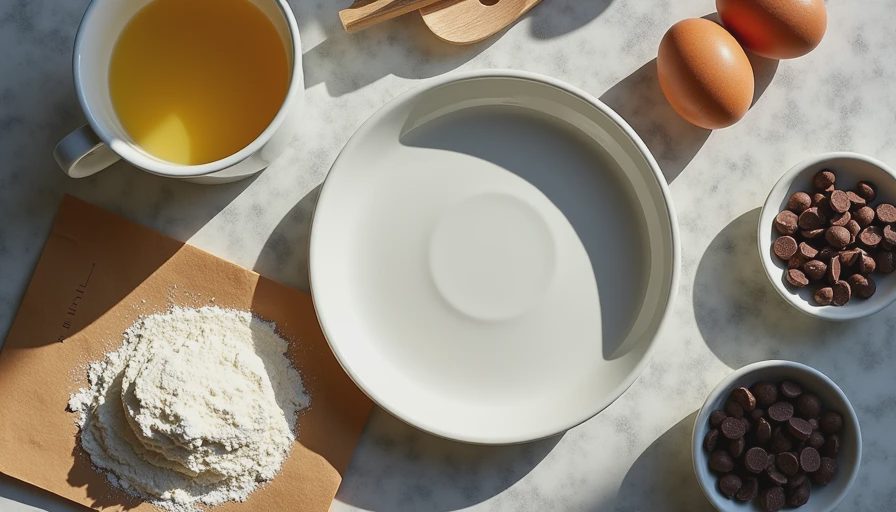
You will need 2 1/4 cups all-purpose flour, 1 teaspoon baking soda, 1 teaspoon kosher salt, 1 cup unsalted butter, 3/4 cup packed light brown sugar, 1/2 cup granulated sugar, 2 large eggs, 2 teaspoons vanilla extract, and 2 cups semisweet chocolate chips. I usually use Ghirardelli or Guittard chips, though a chopped 4-ounce bar works beautifully when I have one hiding in the pantry.
The butter matters more than many recipes admit. Softened butter should give slightly when pressed but should not look shiny or melted. If it is too warm, the cookies spread into thin, greasy rounds. If it is too cold, the sugar cannot cream into it properly. Leave the butter on the counter for about 45 minutes, or cut it into tablespoon-size pieces to speed things up.
For the best texture, measure flour by spooning it into a dry measuring cup and leveling the top with a knife. Scooping directly from the bag can add several extra tablespoons, which is enough to make a batch cakey and dry. A kitchen scale is even better; 270 grams is the target for the flour in this chocolate chip cookie recipe.
How to mix the dough
Whisk the flour, baking soda, and salt in a medium bowl. In a larger bowl, beat the softened butter with both sugars for about two minutes, until lighter in color and slightly fluffy. A $20 hand mixer is perfectly adequate here. I used a stand mixer for years, but the hand mixer is easier to wash when Henry has decided that flour belongs on his sleeves.
Beat in the eggs one at a time, then add the vanilla. The mixture may look a little curdled after the first egg; that is normal. Add the dry ingredients in two or three additions and mix only until you no longer see pale streaks. Stir in the chocolate chips with a wooden spoon. Overmixing develops gluten and gives the finished cookie a firm, bready bite instead of a tender center.
Scoop the dough into portions of about 2 tablespoons each. A medium cookie scoop makes this painless and keeps the cookies close in size, so small cookies do not burn while larger ones remain raw. Place the dough on parchment-lined baking sheets with at least 2 inches between portions. Chill the scooped dough for 30 minutes if your kitchen is warm or the dough feels soft.

Why this chocolate chip cookie recipe works
Brown sugar brings moisture and a mild caramel flavor, while granulated sugar encourages crisp edges. Using both gives the cookie contrast rather than a one-note texture. The baking soda helps the dough spread and brown, but too much creates a bitter aftertaste and excessive spreading. That is why I measure it level, not heaped.
Parchment is more useful than a greased pan for this job. Grease adds extra fat to the bottom of the cookie and can encourage spreading. A light-colored aluminum sheet gives the most even results in my kitchen. Dark nonstick pans brown the bottoms faster, so I reduce the oven temperature by about 15 degrees or use a second sheet underneath.
Resting the dough is not mandatory, but it improves flavor and shape. Thirty minutes in the refrigerator lets the flour hydrate and firms the butter. For deeper caramel notes, cover the dough and refrigerate it overnight. Let it sit at room temperature for 15 minutes before scooping if it becomes too hard to handle.
Bake by appearance, not only by the timer
Heat the oven to 350 degrees Fahrenheit and bake one sheet at a time on the middle rack for 10 to 12 minutes. The centers should still look slightly pale and soft when the cookies come out. The edges should be golden, not dark brown. They continue cooking on the hot baking sheet for several minutes, so pulling them early is the secret to a chewy middle.
For this chocolate chip cookie recipe, I let the cookies rest on the sheet for 5 minutes before moving them to a cooling rack. If you move them immediately, the centers can collapse. If you leave them on the pan for 15 minutes, the bottoms can become too firm. A thin metal spatula is useful here; the $8 one in my utensil drawer works better than a thick plastic turner.
If the first test cookie spreads too far, chill the remaining dough for another 20 minutes and check that the butter was not melted. If it stays in a mound, your flour may have been overmeasured or the oven may be running cool. An inexpensive oven thermometer can reveal a surprising 25-degree difference between the dial and the actual temperature.
Small changes for different cookie preferences
For a thinner, crisper cookie, reduce the flour by 2 tablespoons and bake the dough immediately. For a thicker cookie, chill it for at least an hour and use 3 tablespoons of dough per portion. I like adding 1 cup of chocolate chips plus 1/2 cup of chopped walnuts, but toasted pecans are especially good with dark chocolate.
A teaspoon of espresso powder deepens the chocolate flavor without making the cookies taste like coffee. Flaky sea salt sprinkled over the dough before baking adds a pleasant salty finish. Use it lightly because the dough already contains kosher salt. For a less sweet batch, replace half the semisweet chips with bittersweet chocolate, rather than cutting the sugar, which can change the texture.
The dough also freezes well. Arrange scooped portions on a tray, freeze them until firm, then transfer them to a labeled freezer bag. Bake directly from frozen, adding two or three minutes to the cooking time. This is the version I rely on when we need a quick dessert after dinner and the kitchen is already covered with homework papers.
Storing and serving the finished cookies
Cool the cookies completely before storing them in an airtight container. They stay pleasantly soft for about three days at room temperature. Add a small piece of sandwich bread to the container if you want to soften cookies that have become firm; replace the bread when it dries out. Do not refrigerate baked cookies unless you prefer a denser texture.
For the best warm-cookie experience, heat one cookie in the microwave for 8 to 10 seconds. A scoop of vanilla ice cream turns an ordinary Tuesday dessert into something that feels planned. If you are serving guests, arrange the cookies on a plain ceramic plate rather than an oversized platter. The smaller plate makes a modest batch look abundant, a useful kitchen trick I learned from staging homes.
This chocolate chip cookie recipe is forgiving where it should be and precise where precision matters: measure the flour carefully, soften rather than melt the butter, and remove the cookies while the centers still look underdone. Start with one test cookie before baking the whole tray, especially if your oven has personality. A great kitchen does not happen by accident. It happens by how you live in it, one warm cookie and one floury step stool at a time.





No comments yet — be the first to share a thought.