At 5:42 on a Tuesday, Henry is standing on his step stool asking whether dinner is ready, Jack is looking for the good spatula, and I am trying to rescue a pan of vegetables that got a little too enthusiastic under the broiler. That is exactly when vegetarian recipes earn their place in my kitchen. They need to be filling, flexible, and realistic enough for a tired household, not arranged like a magazine cover.
I have designed kitchens with six-figure budgets and cooked in kitchens where the cutting board balanced over the sink. The same lesson applies to both: a great kitchen does not happen by accident. It happens by how you live in it. The best vegetarian recipes work with your available counter space, your grocery habits, and the people who are hungry right now.
Build a weeknight system before you choose recipes
The easiest way to make vegetarian recipes dependable is to organize around components instead of starting from a long shopping list. On Sunday, I often cook one pot of brown rice, roast a sheet pan of carrots and cauliflower, and make a lemony yogurt sauce. Those three things become bowls, wraps, or a quick side dish over the next two days.
Aim for a combination of protein, starch, vegetables, and something bright. Chickpeas, black beans, lentils, eggs, tofu, and Greek yogurt all add staying power. Rice, potatoes, pasta, tortillas, and crusty bread make dinner feel substantial. Lemon juice, pickled onions, fresh herbs, salsa, or a spoonful of chili crisp keeps a familiar meal from tasting flat.
This approach also makes leftovers easier to recognize. Roasted vegetables from Monday can fill quesadillas on Tuesday. Extra rice can become fried rice with frozen peas and scrambled egg. A half-used bunch of cilantro does not need to become a sad science experiment in the crisper drawer.
Stock a pantry that does the heavy lifting
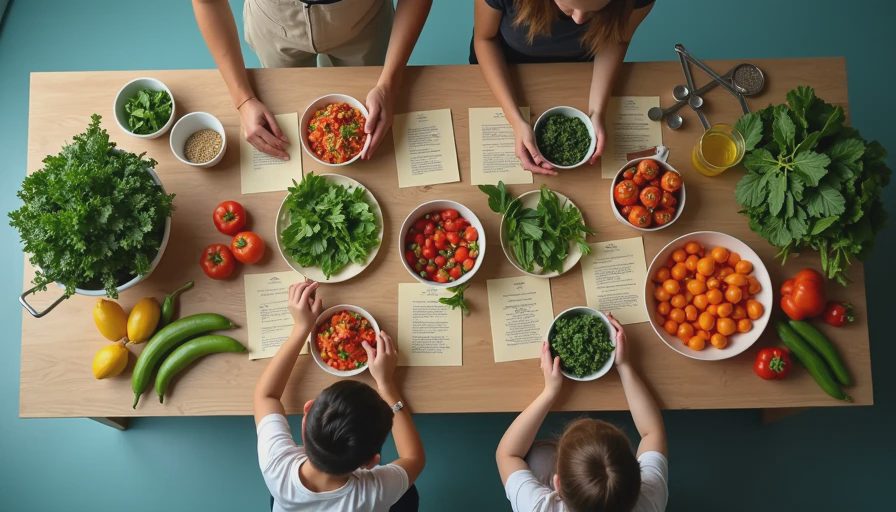
A useful vegetarian pantry does not need forty specialty ingredients. Mine includes canned chickpeas, crushed tomatoes, coconut milk, brown lentils, vegetable broth, pasta, rice, tortillas, peanut butter, tahini, and a few dependable spices. Smoked paprika, cumin, curry powder, oregano, and red pepper flakes can take the same beans in completely different directions.
I also keep a small container of grated Parmesan in the refrigerator, along with shredded cheddar and eggs. These are inexpensive shortcuts for adding richness when a meal feels thin. A can of tomatoes becomes a quick pasta sauce; a can of coconut milk turns lentils into a gentle curry; tahini mixed with water, lemon, and salt becomes a dressing in under two minutes.
When space is tight, use drawers and the back of cabinet shelves deliberately. A 12-inch-wide pullout near the range is excellent for oils and spices, while a labeled bin keeps cans from disappearing behind the slow cooker. During a remodel, I usually recommend placing everyday pantry items between waist and eye level. In an existing kitchen, one $8 turntable can create nearly the same improvement without a contractor.
Vegetarian recipes that survive picky eaters
The family-friendly dinner is usually not a separate recipe. It is a flexible base with toppings served apart. For example, roast sweet potatoes and black beans, then put rice, avocado, shredded cheese, salsa, and lime on the table. Henry can build a plain bowl; Jack can add hot sauce; I can add pickled jalapeños. Everyone eats the same meal without a short-order cook appearing in the kitchen.
Pasta is another reliable format. Toss rigatoni with marinara, white beans, spinach, and mozzarella, then bake it in a 9-by-13-inch dish until the edges bubble. For a faster option, sauté garlic in olive oil, add frozen peas and cooked pasta, and finish with lemon and Parmesan. These vegetarian recipes are forgiving: extra beans add protein, wilted greens disappear into the sauce, and a handful of toasted breadcrumbs supplies crunch.
My favorite emergency dinner is egg-and-cheese toast with sliced tomatoes, but it feels more complete when served with a simple soup. A boxed vegetable broth, a can of white beans, frozen corn, and a handful of pasta can become lunch or dinner in about 25 minutes. It is not glamorous, but neither is scraping dried oatmeal from the stove, and this tastes considerably better.
Use tools that reduce friction, not clutter
You do not need a matching set of cookware to make good vegetarian recipes. A sturdy half-sheet pan, a 10-inch skillet, a medium saucepan, and a sharp chef's knife cover most weeknight jobs. My $17 OXO peeler gets used more often than several expensive gadgets in my drawer because it handles carrots, potatoes, and butternut squash without making my hand ache.
For sheet-pan dinners, parchment is convenient, but a well-oiled pan gives vegetables better browning. A rimmed Nordic Ware-style aluminum pan costs much less than a specialty roasting tray and fits standard oven racks. If you cook beans, grains, or soups regularly, a 5.5-quart Dutch oven is a useful investment. Enameled models from Le Creuset and Lodge are popular for good reason, though a basic heavy pot can perform the same jobs.
Think about where each tool lives. The knife should be near the main prep surface, not across the room beside the baking supplies. Store the sheet pans vertically if possible; stacking them horizontally guarantees that the pan you need will be underneath four others.
Make vegetarian recipes work after a long day
The most useful habit is a short prep session before hunger takes over. Wash greens, cut one onion, open and rinse beans, and put a pot of rice on while the kitchen is still calm. Fifteen minutes of preparation can turn a 45-minute meal into a 25-minute one.
Use the oven strategically. While a tray of broccoli roasts at 425 degrees Fahrenheit, whisk dressing, warm tortillas, or slice fruit. Crowding the pan is the common mistake; vegetables steam when packed too closely. Give broccoli and cauliflower space, and dry them well before adding oil. That small detail creates browned edges instead of limp florets.
For the busiest nights, choose vegetarian recipes with built-in substitutions. Canned beans can replace cooked lentils, frozen spinach can replace fresh, and a microwaveable grain pouch can stand in for rice without ruining dinner. I would rather make a practical shortcut than order takeout because an ideal plan collapsed at 6:15.
A simple shopping plan for this week
Start with two vegetables that roast well, one leafy green, two proteins, one starch, and two flavor boosters. My current list might be sweet potatoes, broccoli, spinach, chickpeas, eggs, tortillas, rice, salsa, and lemons. That combination can become grain bowls, breakfast tacos, a warm salad, or a roasted vegetable wrap.
Choose one recipe that makes leftovers and one that cooks in a single pan. Make the larger batch first, then save the fragile greens and herbs for later in the week. Store sauces separately so roasted vegetables do not turn soggy overnight. Labeling a container with the date takes ten seconds and prevents the refrigerator mystery that nobody wants to investigate.
The takeaway is simple: choose vegetarian recipes that match your actual kitchen and your actual Tuesday. Keep the pantry useful, give vegetables enough room to brown, and let each person finish dinner their own way. This week, cook one grain, roast one tray of vegetables, and make one sauce. That small rhythm is enough to make the next meal feel far less complicated.




No comments yet — be the first to share a thought.