At 5:42 on a Tuesday, Henry was standing on the step stool asking whether dinner was ready, Jack was looking for the salad spinner, and I was pulling the last warm chicken from its plastic container. That is exactly when rotisserie chicken recipes earn their place in a real kitchen. A $7 to $10 grocery-store bird can become dinner tonight, tomorrow's lunch, and the beginning of a soup without requiring a second trip to the store.
The trick is treating the chicken as an ingredient, not a complete meal. Remove the meat while it is still warm, save the juices, and pair it with something that changes the texture: crisp tortillas, chewy pasta, toasted bread, or rice. Here are the combinations I use when the kitchen is busy and nobody wants another plain chicken plate.
Start with the right grocery-store chicken
Choose a bird that feels heavy for its size and has intact skin rather than a collapsed, dried-out breast. I usually buy a plain seasoned chicken from the supermarket deli because it gives me more flexibility than a heavily flavored barbecue version. A three-pound chicken typically provides about four cups of usable meat, depending on how generously it was carved at the store.
Bring the container home and let it cool for 10 to 15 minutes before shredding. Pull the breast meat into larger pieces for sandwiches and enchiladas, then pick the smaller bits from the thighs and back for soup or fried rice. Do not throw away the carcass. Even a quick 45-minute simmer with onion, a carrot, celery, and a bay leaf creates a useful broth for one of these rotisserie chicken recipes.
I keep two containers nearby: one for meat and one for bones. It is a small organizational decision, but it prevents the familiar late-night problem of discovering a greasy container full of scraps three days later. Refrigerate the meat promptly and use it within three to four days, or freeze portions in flat zip-top bags for up to a few months.

Five rotisserie chicken recipes that do more than fill a plate
The fastest option is a lemony chicken pita. Toss two cups of shredded meat with a tablespoon of olive oil, the juice of half a lemon, a pinch of cumin, and black pepper. Stuff it into warmed pitas with cucumber, tomato, and a spoonful of plain Greek yogurt. The cool yogurt and crisp vegetables make the reheated chicken taste fresh rather than leftover.
For a family dinner, make skillet chicken enchiladas. Mix three cups of chicken with half a cup of canned black beans, one cup of shredded Monterey Jack, and enough salsa to moisten everything. Roll the mixture in eight corn tortillas, place them seam-side down in a 9-by-13-inch baking dish, cover with another cup of salsa and cheese, and bake at 375 degrees Fahrenheit for about 20 minutes. This is one of the rotisserie chicken recipes I assemble before school pickup and bake later.
Chicken fried rice is especially forgiving. Use cold cooked rice, not freshly steamed rice, because chilled grains stay separate in the pan. Heat a tablespoon of neutral oil in a 12-inch skillet, scramble two eggs, add frozen peas and carrots, then stir in two cups of chicken and three cups of rice. Finish with soy sauce and sliced green onions. The entire meal takes about 15 minutes once the ingredients are ready.
For something lighter, combine chicken with chopped celery, apple, toasted pecans, and a dressing made from Greek yogurt, mayonnaise, Dijon mustard, and lemon juice. Serve it over greens or scoop it into lettuce leaves. The apple supplies enough crunch that the salad does not need a dozen ingredients.
Make the leftovers taste intentional
The difference between a useful leftover and a sad one is usually moisture. Breast meat dries quickly, so add broth, salsa, tomato sauce, or a spoonful of mayonnaise before reheating. Warm chicken gently in a covered skillet with two tablespoons of water or stock. The microwave works too, but cover the bowl with a damp paper towel and use 30-second intervals.
Texture matters just as much. Shredded chicken can feel repetitive after two meals, so change its shape. Crisp small pieces in a cast-iron skillet for tacos, slice larger pieces for a grain bowl, or blend the meat into a thick filling for baked pasta. A $12 box grater, a sharp paring knife, and a sturdy 10-inch skillet are more useful here than a countertop gadget taking up cabinet space.
One of my favorite rotisserie chicken recipes is a pantry pasta. Cook 12 ounces of rigatoni, reserve a cup of pasta water, and warm chicken with garlic, frozen spinach, and a half cup of cream cheese. Loosen the sauce with pasta water, fold in the noodles, and add grated Parmesan. It is not restaurant food, and that is the point: it is a dependable 25-minute dinner that uses what is already in the refrigerator.
Build a two-day dinner plan
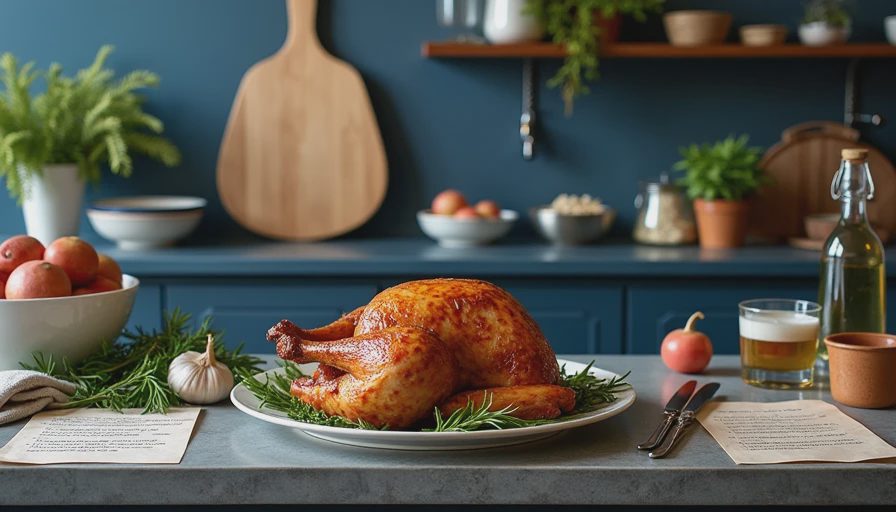
A little planning keeps the chicken from disappearing into random lunches. On day one, serve the largest pieces with roasted potatoes and a bagged salad. Save about two cups of meat for day two, when you can turn it into enchiladas, soup, or sandwiches. If you want broth, put the bones in a pot after dinner and simmer them while you wash dishes. Strain the liquid into a quart container and chill it overnight.
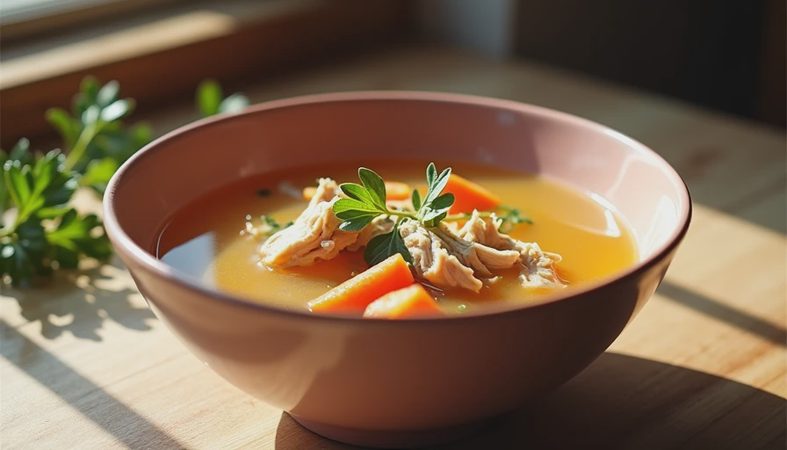
The next evening, use that broth for chicken noodle soup. Saute diced onion, carrot, and celery in a tablespoon of butter for five minutes. Add four cups of broth, one cup of water, and two ounces of egg noodles. Simmer until the noodles are nearly tender, then add shredded chicken for the final three minutes. Adding the meat late keeps it from becoming stringy and overcooked.
You can also portion the meat before storing it. Freeze one-cup servings for quesadillas, two-cup servings for soup, and a half-cup portion for a child's lunch. Label the bags with the date. I learned that last step after finding an unlabeled freezer brick that might have been chicken, chili, or an ambitious lentil experiment.
The kitchen setup that makes this easy
Keep a shallow quarter-sheet pan, a pair of kitchen shears, and a 4-cup glass storage container within reach. Shears make it easier to cut through joints and separate the carcass without wrestling with a chef's knife. A shallow pan cools meat faster than a deep bowl, while glass containers are useful for reheating and showing exactly how much food remains.
Do not design a special storage system for one ingredient. Put the chicken on the refrigerator shelf at eye level, beside the tortillas and cooked grains you plan to use. When ingredients are visible, dinner requires fewer decisions. That is the same principle I use when planning a kitchen remodel: the best arrangement is the one that supports the way the household actually moves.
Rotisserie chicken recipes are most valuable when they reduce friction, not when they demand a long shopping list. Buy one bird, reserve the meat in useful portions, and choose two different textures for the next meals. This week, try the pita on night one and the fried rice on night two. A great kitchen does not happen by accident. It happens by how you live in it.

No comments yet — be the first to share a thought.