The first time I specified soapstone countertops for a client, she asked whether one red-wine spill would ruin the whole kitchen. It was a fair question. Countertops take the daily punishment: pancake batter, grocery bags, hot pans, homework, and the occasional dropped jar of tomato sauce. Soapstone is beautiful, but its appeal is not just visual. It is a practical, forgiving material with a personality that changes as you use it.
What makes soapstone different?
Soapstone is a natural stone made primarily from talc and magnesium-rich minerals. Unlike bright white marble or busy granite, it usually has a soft, matte appearance. Common colors range from pale gray to charcoal, often with subtle white veining. The surface feels smooth and slightly silky rather than glossy and cold.
One reason soapstone countertops stand out is their resistance to heat. You can place a hot Dutch oven or baking sheet directly on the surface without worrying about thermal shock in the same way you might with some other materials. I still use trivets because they protect my hands and keep the kitchen organized, but the stone itself is comfortable around serious cooking.
Soapstone is also nonporous. That means it does not readily absorb liquid, so red wine, coffee, and raw chicken juices are less likely to create permanent stains. Nonporous does not mean indestructible. The surface can scratch, and a sharp corner can chip if a heavy cast-iron pan lands on it. The good news is that small marks usually become part of the material's lived-in look.
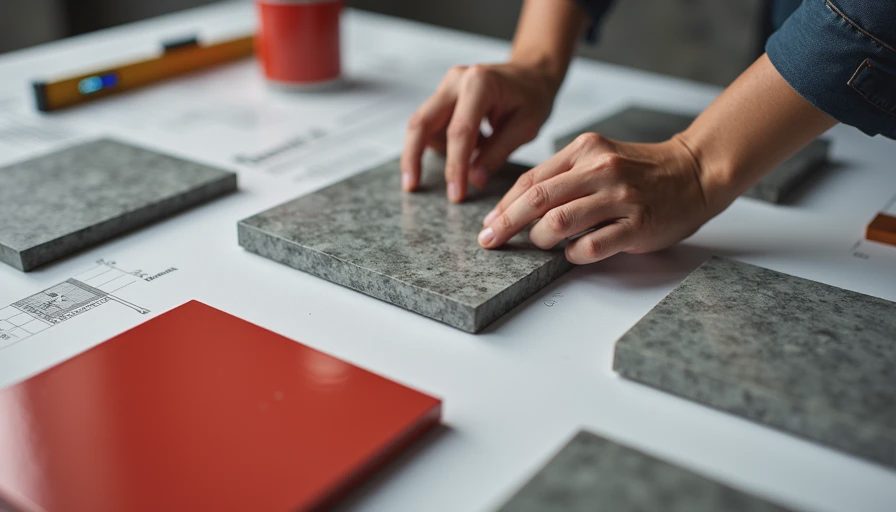
The look: calm, warm, and slightly imperfect
Soapstone countertops work especially well when you want a kitchen that feels collected rather than showroom-perfect. They pair beautifully with white oak, painted cabinets, unlacquered brass, aged bronze, and simple ceramic tile. In a Chicago kitchen, I like them with warm white cabinets because the gray stone keeps the room from becoming too sweet or overly bright.
The surface is commonly treated with mineral oil or a soapstone wax to deepen the color. Oiled stone can look nearly black at first, then gradually soften as the treatment wears away. Some homeowners prefer that dramatic dark finish; others like the untreated gray. Neither choice is wrong, but you should ask to see a full-size sample both ways before ordering.
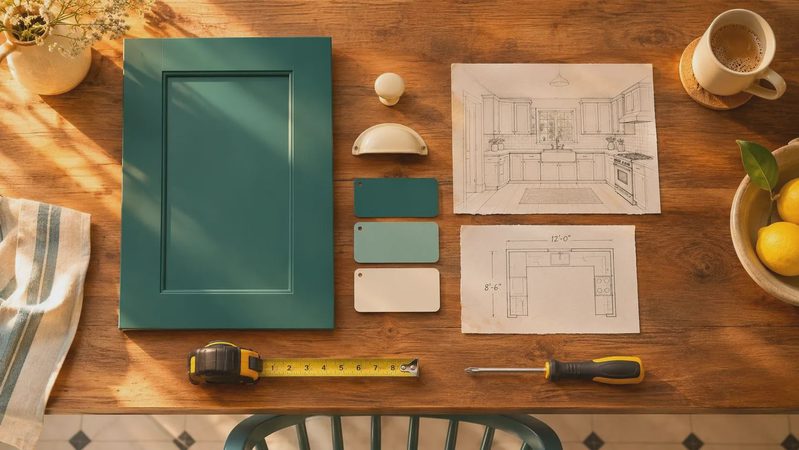
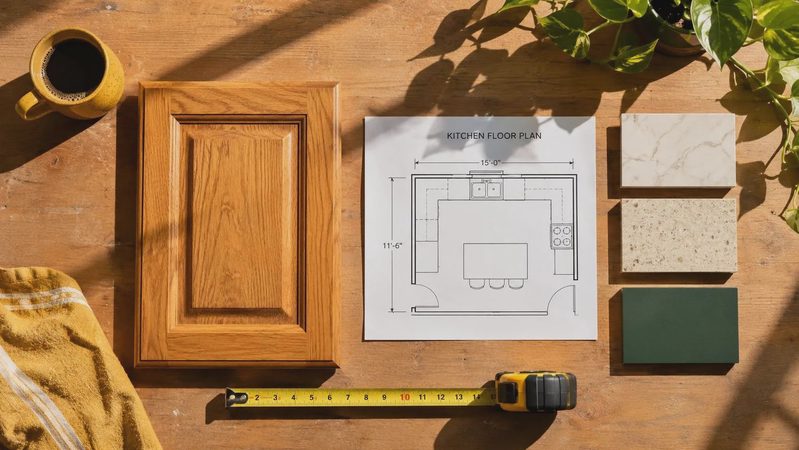
Color variation matters. A small showroom sample may show one quiet gray section, while the installed slab could include more veining or tonal movement. Visit the actual slab when possible. Place your cabinet door, backsplash sample, and flooring sample beside it. A five-minute slab inspection can prevent a five-thousand-dollar design regret.
How much do soapstone countertops cost?
For many U.S. kitchen remodels, soapstone countertops cost roughly $70 to $120 per square foot installed, although local labor, slab thickness, edge details, sink cutouts, and accessibility can move the final number. A compact 40-square-foot kitchen might land around $2,800 to $4,800, while a large island and perimeter run can pass $8,000.
The stone itself is only one line on the estimate. Fabricators may charge separately for templating, delivery, polishing, cooktop openings, faucet holes, and an apron-front sink cutout. A standard eased edge is usually simpler than a decorative ogee profile. If the budget is tight, keep the edge simple and spend the savings on better lighting or a more functional cabinet insert.
Soapstone countertops can also be installed in thicker-looking profiles without buying an extremely thick slab. A fabricator may build up the edge so a 1 1/4-inch slab appears closer to 2 inches. Ask how that detail is constructed and where seams will fall, especially around an island.
Daily care is easier than the internet suggests
Caring for soapstone countertops is refreshingly ordinary. Wipe them with warm water and a few drops of dish soap. For a stuck-on mess, use a nonabrasive sponge or a mild household cleaner. There is no required annual sealing schedule because soapstone does not need the penetrating sealer commonly used on porous natural stones.
The oiling question causes unnecessary anxiety. Mineral oil is optional, not a structural treatment. It temporarily darkens the stone and helps create a more uniform appearance, especially during the first few months. If you like the natural gray, leave it alone. If you want a darker finish, apply food-safe mineral oil with a clean cloth, let it soak in, and wipe off the excess. Reapply when the surface looks uneven, not because a calendar tells you to.
At our house, I would rather wipe a counter than organize a maintenance ritual. Henry has spilled blueberry pancake batter on ours more than once. A damp cloth handles the mess, and I do not have to panic when a lemon wedge sits on the surface during dinner prep.

Scratches, dents, and the patina decision
The main tradeoff with soapstone countertops is softness. The same mineral content that makes the material easy to work can make it more vulnerable to scratches than granite or quartz. Dragging a rough ceramic planter across the island can leave a line. A sharp knife can mark it. Cutting directly on the counter is still a bad habit, even if the stone survives.
Most light scratches can be blended with fine-grit sandpaper, and deeper damage can often be repaired by a professional. That repairability is a meaningful advantage over a material that can crack, burn, or require a full replacement. Still, you need to decide whether visible wear will bother you. If you want a surface that looks identical five years from now, soapstone may not be your easiest match.
I think the patina is the point. The counter in a working kitchen should show where bread was rolled, vegetables were chopped, and friends pulled up stools. The marks are not a failure; they are evidence that the room is being used. If that idea makes you relax, this material deserves serious consideration.
Is soapstone right for your kitchen?
Soapstone countertops make sense for a cook who wants heat resistance, low-maintenance cleanup, and a natural surface that grows more personal over time. They are especially appealing in farmhouse, traditional, transitional, Scandinavian, and vintage-inspired kitchens. They can also add softness to a modern kitchen full of flat-panel cabinets and stainless steel.
They are less suitable if your priority is perfect uniformity, bright white color, or maximum scratch resistance. Quartz is often the easier choice for homeowners who want predictable patterning and minimal visual change. Granite offers a broad range of colors and strong everyday performance. Marble remains hard to beat for pastry work, but it demands more tolerance for etching and staining.
Before ordering, bring home samples, test mineral oil on a hidden section, and ask the fabricator how scratches are repaired. Confirm the slab thickness, edge treatment, seam locations, sink support, and care instructions in writing. Those details matter more than a staged photograph.
A great kitchen does not happen by accident. It happens by how you live in it. If your ideal counter can handle a hot pan, a rushed breakfast, and a few honest marks, soapstone countertops could be the quietly durable choice your remodel needs.


No comments yet — be the first to share a thought.