Last Tuesday, Henry helped me make pancakes, which meant flour on the floor, batter on the cabinet pulls, and a hot skillet set far too close to the counter's edge. That is the real test behind quartz vs granite: not which slab looks most impressive under showroom lights, but which surface works when dinner is late and someone is asking for more syrup.
Both materials can be excellent choices. Quartz is engineered from natural quartz particles mixed with resin, while granite is a natural stone cut from a quarried block and sealed for kitchen use. The right answer depends on your cooking habits, tolerance for maintenance, budget, and the look you want to live with for the next decade.
Quartz vs Granite: What You Are Actually Buying
Quartz gives you consistency. A manufacturer controls the pattern, background color, and finish, so you can usually choose a white surface with restrained veining or a darker slab with fairly predictable movement. Popular lines from Caesarstone, Cambria, Silestone, and MSI offer many styles, although each slab still needs to be viewed in person because samples can hide larger-scale patterns.
Granite gives you variation. Every slab is different, and a stone yard may show dramatic black mineral movement, quiet gray speckles, or warm brown and gold veining that no printed sample can fully reproduce. That individuality is its charm, but it also means your installer must plan seams and cutouts around the slab's natural pattern.
In practical terms, quartz often feels easier to specify remotely, while granite rewards a trip to the fabricator's yard. I once helped a client choose a granite remnant for a small island; its $900 price was lower than several engineered options, and the unusual blue-gray movement became the room's best feature.
Durability, Scratches, and Everyday Wear
When comparing quartz vs granite, durability is usually the first concern. Both surfaces resist ordinary scratches better than many laminate options, but neither is indestructible. A sharp chef's knife can damage the finish, and dragging a heavy cast-iron pan across either counter is an unnecessary gamble. Use a cutting board; your knives will appreciate it, too.
Quartz is nonporous, so spills do not soak into the material. That makes red wine, tomato sauce, and muddy fingerprints easier to manage with a damp cloth and mild dish soap. Granite is naturally porous to varying degrees. A properly sealed slab handles normal kitchen spills well, but the surface should be resealed when needed, commonly every one to several years depending on the stone and product used.
Granite has a meaningful advantage with heat. A brief contact with a warm pan is less concerning than it is on quartz, whose resin content can discolor or damage under high heat. I still use a $12 silicone trivet beside the range. Replacing a trivet is cheaper than replacing a section of countertop.
Maintenance and Cleaning: The Difference You Notice Daily
For a busy household, quartz is generally the simpler material. Wipe it with a soft cloth and mild soap, then dry it if you want a streak-free finish. Avoid abrasive powders, harsh oven cleaner, and strong solvents unless the manufacturer specifically approves them. The goal is not complicated: remove spills before they become sticky, and do not treat the counter like a cutting board.
Granite maintenance is manageable, but it requires one extra habit. Ask the installer which sealer was applied and what cleaning product is recommended. Acidic cleaners, including some vinegar-based formulas, can dull or weaken the protective treatment over time. A $7 pH-neutral stone cleaner is a more sensible choice than experimenting with whatever is under the sink.
The quartz vs granite decision often becomes clear here. If you want the lowest-maintenance surface and regularly cook with children nearby, quartz is forgiving. If you enjoy natural materials and do not mind a seasonal reminder to check the seal, granite can be just as comfortable in daily use.

Cost, Installation, and Where the Budget Moves
Installed countertop prices vary by region, edge detail, sink cutouts, backsplash work, demolition, and slab grade. As a broad planning range, many homeowners see quartz and granite land around $60 to $150 or more per square foot installed. Basic granite can sometimes come in below midrange quartz, while premium granite and elaborate quartz patterns can reverse that comparison.
Do not compare only the slab price. A 40-square-foot kitchen may need a $2,400 to $6,000 material-and-installation allowance before plumbing changes, old-counter removal, or an upgraded edge profile. Waterfall ends, thickened edges, and bookmatched patterns add labor and increase waste. Ask for an itemized quote covering templating, delivery, cutouts, seams, sink installation, and disposal.
Remnants can change the math. A small vanity, coffee station, or 5-foot island may fit a leftover slab for hundreds less than a full purchase. I have specified remnants on projects ranging from modest condo refreshes to larger kitchens, but the color needs to work with your cabinets because you have fewer pieces to choose from.
Which Countertop Looks Better With Your Cabinets?
Quartz is a strong choice for a calm, tailored kitchen. Pair a soft white quartz with natural oak, pale blue cabinets, or matte black hardware for a clean look. If you prefer a marble appearance without marble's higher maintenance demands, quartz patterns with gray veining are widely available. Look at a full slab, not only a 3-inch sample, because bold veining can dominate a compact kitchen.
Granite works especially well when you want the countertop to supply texture. Quiet leathered granite can warm up flat-painted cabinets, while a polished slab may suit traditional doors and a substantial island. The word “busy” is not automatically negative; movement can hide crumbs and small marks better than a completely uniform white surface.
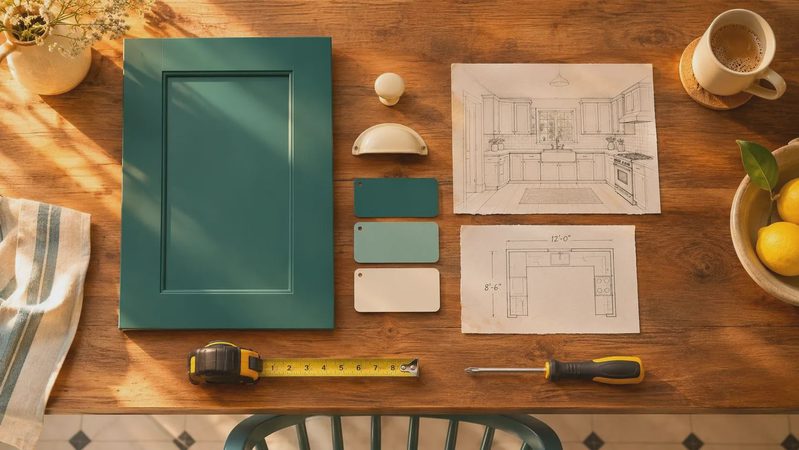
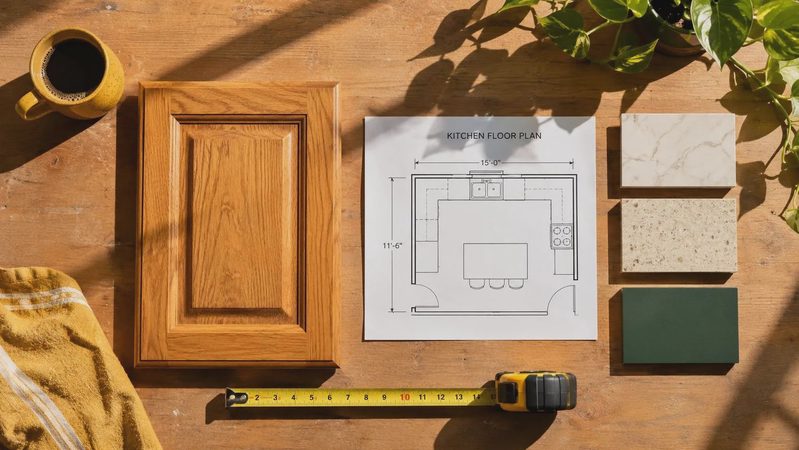
For quartz vs granite, style should follow the room's fixed elements. Bring cabinet, flooring, backsplash, and paint samples to the stone yard. A countertop that looks gray in a bright warehouse can read beige beside warm oak at home.
My Practical Recommendation for a Real Family Kitchen
Choose quartz if your priorities are consistent appearance, easy cleanup, and minimal sealing. It is particularly convenient for households that cook often, entertain casually, or want a light surface without spending Saturday morning researching stone care. Use trivets for hot cookware and follow the fabricator's cleaning instructions.
Choose granite if you love natural variation, want stronger heat tolerance, and are comfortable with periodic sealing. Visit the actual slab, inspect the edges, and ask how the installer will position seams around the sink and dishwasher. Good fabrication matters as much as the material name.
Before ordering, take three actions this week: measure the existing counters, photograph your kitchen in morning and evening light, and collect two itemized quotes. Then place samples beside your cabinets and live with them for 48 hours. The best quartz vs granite choice is the one that still looks right after breakfast spills, grocery bags, and a rushed weeknight meal.
A great kitchen does not happen by accident. It happens by how you live in it.


No comments yet — be the first to share a thought.