The first time I notice a sink in a kitchen, it is usually while standing in a trail of pasta water, apple peels, or pancake batter. In a house that cooks every day, a kitchen faucet with sprayer is not a little upgrade; it is the thing that keeps dinner moving when a child is rinsing grapes, a sheet pan needs a quick wash, and nobody wants to soak a roasting pan in the bathtub. I have specified more faucets than I can count over the years, and the best ones are not the fanciest-looking ones. They are the ones that feel easy at 7 p.m. when the dishwasher is already full and the cutting board is crowded.
What a kitchen faucet with sprayer changes at the sink
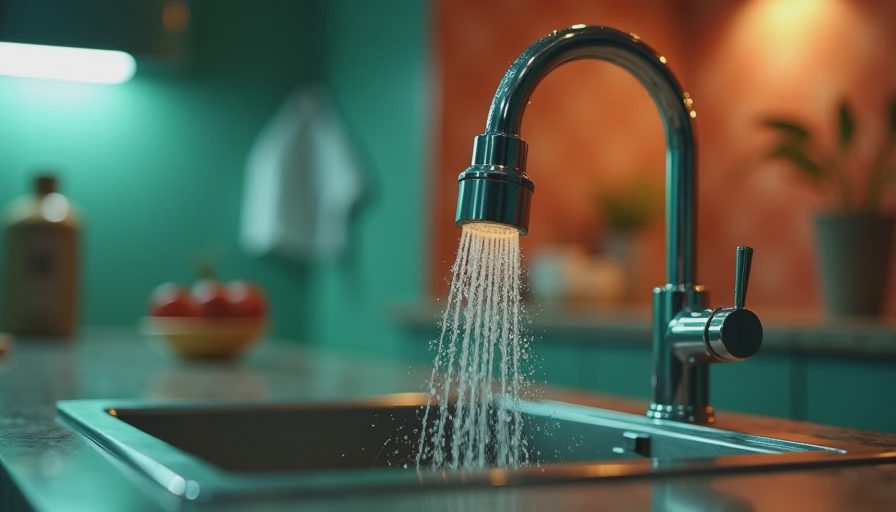
The practical value is simple: more reach, better rinsing, less splash. A good spray head makes it easier to clean spinach, scrub the corners of a Dutch oven, and fill a stockpot without balancing it under a tiny stream of water. In real life, that means fewer drips across the counter and less time with your hand under a hot faucet trying to coax the stream where you want it. The best versions also give you a pause button or a steady stream setting, which matters more than people expect when one hand is holding a chicken package and the other is trying not to touch the cabinet door. This is the kind of hardware that pays off every single day, even if you never think about it when you are standing in a showroom.
If you are choosing a kitchen faucet with sprayer for a remodel, the real question is not just style. It is how your sink gets used. A deep farmhouse sink, a compact apartment sink, and a wide double-bowl setup all want different reach and hose feel. I like to imagine the messiest moment first: rinsing muddy carrots, washing a greasy pan, or filling a kettle while the stove is already busy. When the faucet is right, those tasks feel easy enough that nobody argues about them. That is why a faucet can be a quiet upgrade and still change the whole rhythm of the sink.
Pull-down, pull-out, and side sprayers
Most modern sinks use a pull-down head, and for good reason. The hose drops straight into the basin, which gives you clean lines and enough movement for most tasks. A pull-out style extends toward you instead of down, and I think it can be a smart choice for a shallower sink or a tighter space where the arc might hit an upper cabinet. A side sprayer still works fine, especially in a kitchen that already has a separate base faucet you do not want to replace, but it adds one more piece to clean and one more hose to forget about.

What I look for is smooth movement and a docking system that feels secure when the head goes back home. Some brands use magnetic docking, some rely on weight and friction, and some do it better than others. If the spray head droops after a few months, or the hose catches on the underside of the sink, you will feel that annoyance every time you rinse a plate. That is why a showroom demo matters. Pull the head out. Let it snap back. Twist the handle. You can learn a lot in thirty seconds. I have watched plenty of pretty faucets lose points the moment the spray head does not stay put.
Materials, finishes, and the small parts you do not want to ignore
The best-looking faucet in the catalog can still be a pain if the inside parts are flimsy. I care about a ceramic disc cartridge because it usually gives a smoother handle feel and fewer drips over time. I also care about the hose weight, the swivel action, and whether the body feels balanced instead of top-heavy. When I specify a faucet, I like solid-feeling metal construction, easy-to-find replacement parts, and a finish that does not show every fingerprint. Brushed nickel, stainless, and matte black each have a place, but polished chrome can be a magnet for water spots if your household has hard water.
Brand-wise, I have seen dependable options from Delta, Moen, Kohler, Pfister, and Kraus, especially in the midrange where you can still get solid performance without paying decorative-kitchen pricing. A lot of clients assume they need the most expensive option to get a smooth spray or a tall arc. Usually they do not. They need the right shape for the sink, a finish they can live with, and a handle that opens without a wrestling match when their hands are soapy. That is the real design lesson here: comfort beats drama, and the right part does not have to be the showiest part.
Fit, clearance, and the installation details people forget
Clearance matters more than most people think. A faucet that looks great in a catalog can crowd the window trim, bang into a shelf, or leave you with a spout that feels too tall for the sink. I like to measure the sink deck, the distance to the cabinet above, and the depth of the basin before I even start comparing finishes. A good rule of thumb is to look for enough reach that the stream lands near the drain, not against the back wall. That usually keeps splashing down and gives you room to wash a tall pot without doing kitchen yoga.
Installation is the other part people underestimate. A straightforward swap can run roughly $150 to $350 with a plumber, especially if the existing holes already match the new faucet. If the sink needs a deck plate, the old holes have to be covered, or the supply lines are ancient, the price can go up. If you are replacing a very old kitchen faucet with sprayer, measure the existing holes before you shop. Count them, note the spacing, and take a photo under the sink. That little bit of prep saves a lot of returns and a lot of contractor sighing. It also keeps you from ordering the wrong configuration on a Saturday night.
Two real kitchen setups that call for different choices
In a narrow galley kitchen, I often prefer a simpler faucet shape with a lower profile and a pull-out head, because the cabinet clearance is tighter and the sink is usually smaller. In a bigger kitchen with a 33-inch base cabinet and a deep stainless sink, I am happier with a taller arc and a pull-down hose that can reach every corner. Those two setups both deserve a good solution, but they do not need the same one. That is where people waste money: buying for the photo instead of the sink.
I have also seen this play out in older homes where the sink sits under a window. In that case, handle height and spout height matter just as much as spray power. A faucet that can be operated from the front is easier than one that requires a lot of side clearance. If you cook with kids, or you are always washing berries, lettuce, and sticky measuring cups, think about one-handed use and how the handle feels when it is wet. Those tiny annoyances become big ones fast.
A short buying checklist for a busy kitchen
Before you click buy, picture the sink from three angles: how far the spout needs to reach, how high it can sit under a cabinet, and how the hose feels when it is fully extended. In a busy family kitchen, a faucet should not require a tutorial. It should turn on easily, rinse cleanly, and put the spray head back where it belongs without a fight. If you are comparing finishes, remember that brushed surfaces usually hide spots better than shiny ones. If you are dealing with kids, one-handed operation matters more than a fancy silhouette. If you want something that will last, spend a little more on the part you touch every day.
The smartest move is to narrow your choices to two or three models, then read the installation specs before you fall in love with the finish. Check hole count, hose length, and whether the spout clears your tallest pots. If you are shopping this week, take a tape measure to the sink, snap a quick photo, and compare it with the product sheet before you order. That is how you avoid a return trip and end up with a faucet that feels like it was built for your kitchen instead of borrowed from a showroom. A great kitchen doesn't happen by accident. It happens by how you live in it.



No comments yet — be the first to share a thought.