At 5:42 on a Tuesday, Henry is standing on his step stool asking whether dinner is ready, Jack is looking for the good skillet, and I am scraping pancake batter off the stove from breakfast. This is exactly when chicken recipes earn their place in a kitchen. They need to be flavorful without requiring a second trip to the store, flexible enough for a picky five-year-old, and forgiving when someone forgets to set a timer.
The best chicken recipes are not complicated projects. They are dependable formulas built around a few useful ingredients: boneless thighs or breasts, a hot pan, something acidic, and a sauce that can pull the whole meal together. I have cooked hundreds of versions in kitchens ranging from six-figure remodels to tiny Chicago apartments, and the pattern is consistent. Good results come from matching the cut, pan, and cooking method to the evening you actually have.
Start with the right cut
Chicken thighs are my weeknight favorite because they stay tender when dinner gets interrupted. A 1.5-pound package of boneless, skinless thighs usually serves four and costs less than many prepared meals. Pat them dry, season with kosher salt, and give them room in a 12-inch stainless-steel skillet. Crowding creates steam instead of the browned edges that make simple chicken taste special.
Breasts work beautifully when sliced horizontally into cutlets. A thick breast can be dry outside before the center is safe, while two thinner pieces cook more evenly. I use a basic $15 instant-read thermometer and pull chicken when the thickest part reaches 160 degrees Fahrenheit, then let carryover heat finish the job. That small tool has prevented more overcooked dinners in my house than any expensive appliance.
For meal prep, chicken tenderloins are practical because they cook in about 8 to 10 minutes and fit neatly into lunch containers. Bone-in thighs need more time, but the skin becomes crisp and the meat is especially forgiving. Choose based on the clock, not on an imagined version of yourself who has 90 peaceful minutes to cook.
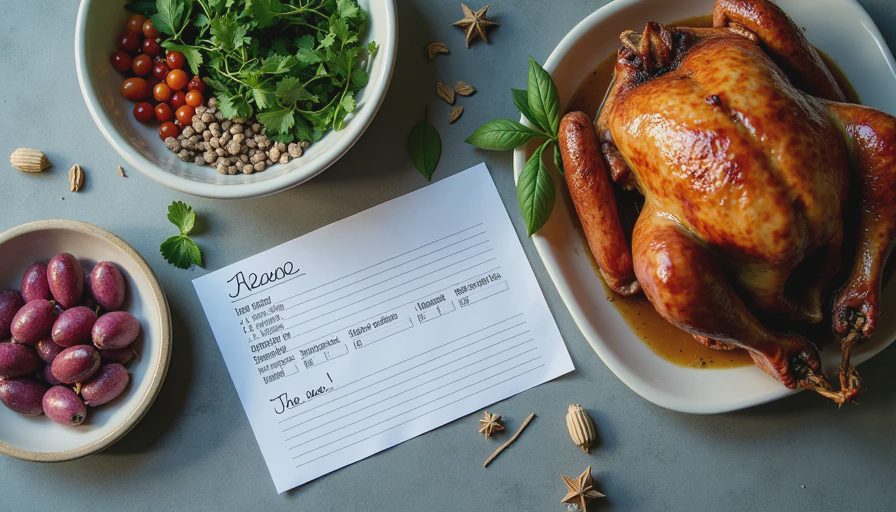
Three weeknight formulas worth repeating
One of my most reliable chicken recipes is lemon-garlic skillet chicken. Season four cutlets, sear them in olive oil for 3 minutes per side, and move them to a plate. Add two minced garlic cloves, half a cup of low-sodium chicken broth, the juice of one lemon, and a tablespoon of butter to the pan. Scrape up the browned bits, return the chicken, and simmer for 2 minutes. A handful of parsley makes it look finished even when the kitchen is not.
For a one-pan dinner, try paprika chicken with potatoes. Cut 1.5 pounds of baby Yukon Gold potatoes into halves, toss them with olive oil, smoked paprika, salt, and pepper, then roast at 425 degrees for 20 minutes. Add seasoned chicken thighs and roast for another 25 to 30 minutes. The potatoes absorb the drippings, which is the sort of useful kitchen engineering I appreciate more than a decorative pot filler.
The third formula is a quick coconut curry. Brown sliced chicken breast with a tablespoon of neutral oil, then add a small onion, two teaspoons of curry powder, a can of coconut milk, and a cup of frozen peas. Simmer for 8 minutes and serve over rice. These chicken recipes are easy to adjust: add spinach at the end, use chickpeas for extra bulk, or leave out the chili flakes when Henry is eating.
Make flavor without a crowded pantry
A compact flavor shelf does more work than a cabinet full of half-used jars. Keep soy sauce, Dijon mustard, tomato paste, rice vinegar, smoked paprika, garlic powder, and one dried herb blend nearby. With those basics, chicken can move in several directions without tasting like the same meal every night.
A dependable marinade needs salt, fat, and acid. Try three tablespoons of olive oil, two tablespoons of lemon juice, one grated garlic clove, a teaspoon of dried oregano, and half a teaspoon of salt for about 1.5 pounds of chicken. Marinate boneless pieces for 30 minutes to 4 hours. Longer is not automatically better; too much acid can make the surface texture soft.
Sauces should be made after the chicken comes out of the pan. This gives you browned bits for depth and keeps delicate ingredients from burning. Stirring a teaspoon of Dijon into pan juices creates a sharper sauce, while a spoonful of cream or Greek yogurt makes it rounder. Chicken recipes become easier when you think in layers instead of searching for one magical ingredient.
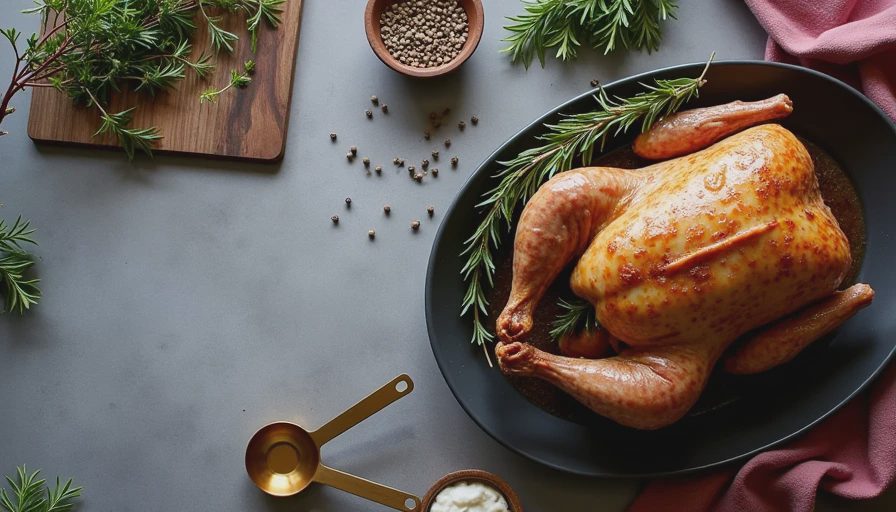
The tools that make dinner calmer
You do not need a restaurant kitchen for reliable chicken recipes. A 12-inch cast-iron skillet, a rimmed half-sheet pan, a sturdy cutting board, and an instant-read thermometer cover most weeknight methods. My 10-year-old Lodge skillet is heavy, but it holds heat beautifully; my lighter Tramontina stainless-steel pan is better when I need to lift dinner one-handed while Henry reaches for a napkin.
A sharp chef's knife matters more than a matching knife block. The $10 OXO peeler in my drawer gets used more often than several wedding-gift gadgets, and a $17 box grater handles garlic, ginger, and Parmesan quickly. Keep raw chicken on a separate board from salad ingredients, wash hands after handling it, and never rinse poultry in the sink because splashing can spread bacteria.
For an efficient cleanup, line a sheet pan with foil when roasting and wash the cutting board immediately after transferring the chicken. If you are cooking grains, start rice or farro before the protein. The goal is for every component to finish within a five-minute window, not for every burner to be busy at once.
Turn leftovers into a second dinner
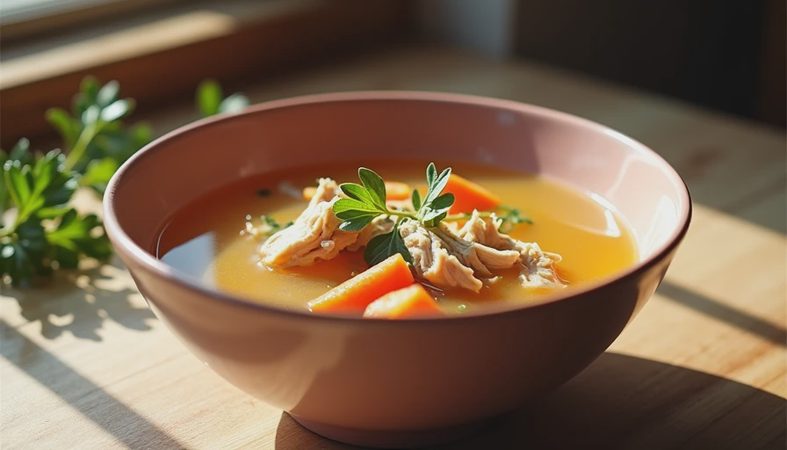
Leftover chicken should be planned, not endured. Slice roasted thighs into quesadillas with cheddar and scallions, or shred them into a broth-based soup with carrots and small pasta. Cold breast meat works well in a salad if you add moisture through dressing, avocado, or a spoonful of hummus.
One of the smartest chicken recipes for Sunday is a batch of simply seasoned thighs. Cook them with salt, pepper, and garlic powder, then portion the meat into three containers. On Monday, add barbecue sauce and serve it on rolls. On Wednesday, warm it with salsa and black beans for rice bowls. On Friday, fold it into a creamy pasta with peas. The flavor changes because the finishing ingredients change.
Cool leftovers in shallow containers and refrigerate them promptly. Use cooked chicken within a few days, or freeze portions flat in labeled bags so they thaw quickly. Write the date on the bag; future-you deserves better than guessing what is hiding behind the frozen waffles.
A practical dinner plan for this week
Choose one cut, one sauce, and one vegetable before you shop. For example, buy boneless thighs, lemons, garlic, potatoes, green beans, and parsley. Roast the potatoes and chicken together on Tuesday, then use the extra meat for lemony grain bowls on Thursday. That is two chicken recipes from one grocery trip, with only one cutting board to wash.
If you prefer breasts, buy cutlets and divide them between a mustard pan sauce and a taco-style seasoning blend. Serve the first with rice and green beans, then use the second in tortillas with cabbage and avocado. A flexible plan leaves room for a forgotten school project or a grocery substitution without collapsing.
My takeaway is simple: choose chicken recipes that fit your tools, your schedule, and the people who will actually eat them. A thermometer, a hot pan, and a short list of sauces will take you farther than an ambitious recipe that requires perfect timing. A great kitchen does not happen by accident. It happens by how you live in it.


No comments yet — be the first to share a thought.