The first thing Henry does when we visit a kitchen showroom is open every drawer. Not gently, either. He pulls each one out as though a missing dinosaur might be hiding behind the silverware tray. That is why Barker cabinets caught my attention as a remodeling option: cabinet beauty matters, but so do drawer movement, useful storage, finish durability, and how calmly the kitchen handles Tuesday night.
Barker cabinets are worth considering if you want a more customized kitchen than a basic stock system can provide. They sit in the part of the market where homeowners can make detailed choices about door style, dimensions, colors, storage, and organization without automatically moving into fully bespoke millwork pricing. The important question is not whether they look good in a photograph. It is whether the specifications, ordering process, and installation plan fit your house and your budget.
What makes Barker cabinets different?
The appeal of Barker cabinets is flexibility. A stock cabinet typically comes in a limited range of widths and heights, while a more configurable program can help you use awkward spaces more effectively. That matters in older homes, where a 33-inch opening, shallow chimney chase, or uneven wall can otherwise create expensive filler strips.
Before ordering, study the available construction details carefully. Look for information about the cabinet box, drawer material, hinge adjustment, finish options, and interior accessories. A cabinet can appear nearly identical to another from the front while feeling very different when you load a drawer with cast-iron pans. I pay particular attention to full-extension drawer slides, soft-close hardware, and whether shelves are adjustable enough for a stockpot or a tall cereal container.
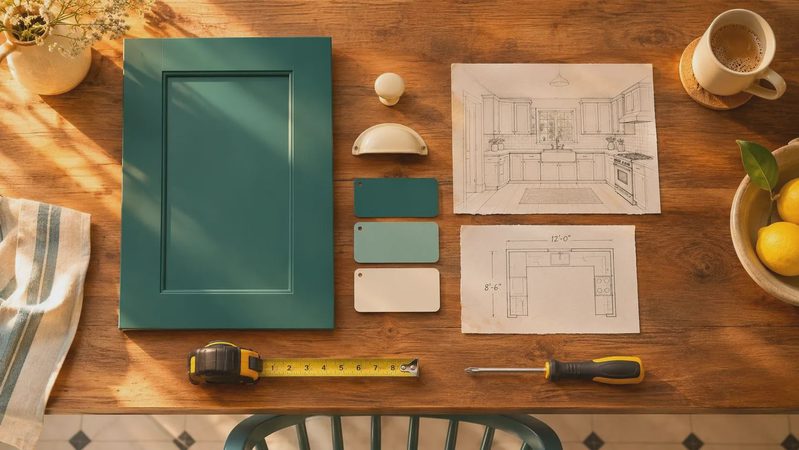
Barker cabinets also make sense for homeowners who have a specific visual direction. Shaker doors, slab fronts, painted finishes, and wood tones can create very different kitchens even when the floor plan stays the same. Order samples before committing. A white finish that looks warm online can read noticeably cooler beside a Chicago winter window and a gray quartz countertop.
How much should you budget?
Pricing depends on the number of cabinets, dimensions, finish, accessories, shipping, and whether installation is included. For a modest kitchen, cabinetry alone can land in the several-thousand-dollar range; a larger kitchen with a tall pantry, island storage, specialty drawers, and premium finishes can move well beyond $15,000. Treat any advertised starting price as a starting point, not a project quote.
Create a cabinet-only budget and a complete-project budget. The second one should include demolition, delivery, fillers, trim, panels, hardware, countertop work, plumbing changes, electrical work, and installation. A $9,000 cabinet order can become a $20,000 renovation once those surrounding costs are included. Barker cabinets may offer a strong value on the boxes themselves, but saving money on cabinets does not remove the cost of leveling floors or moving a sink.
I also recommend reserving at least 10 percent for surprises. During one project, a wall that looked straight was nearly three-quarters of an inch out over eight feet. The cabinet plan was fine; the wall was not. The installer had to use careful scribing rather than forcing the run into place, which protected the doors and prevented a crooked countertop.
Planning the layout before ordering
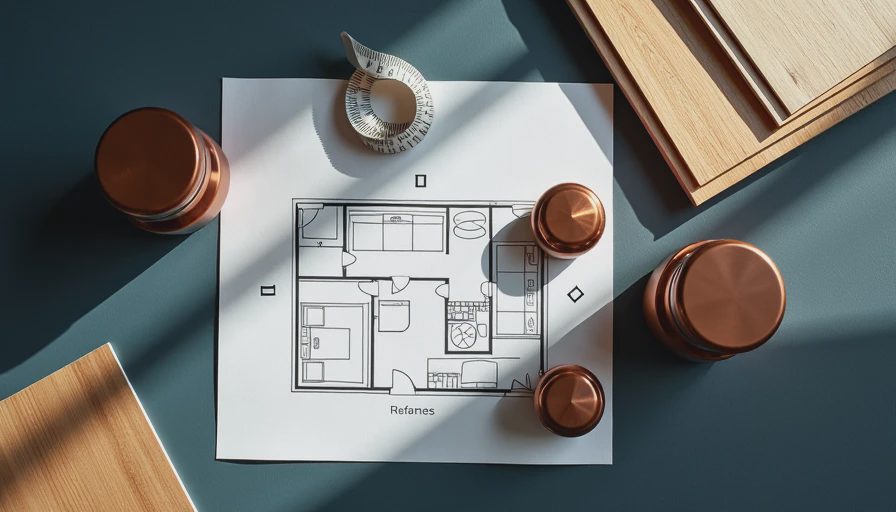
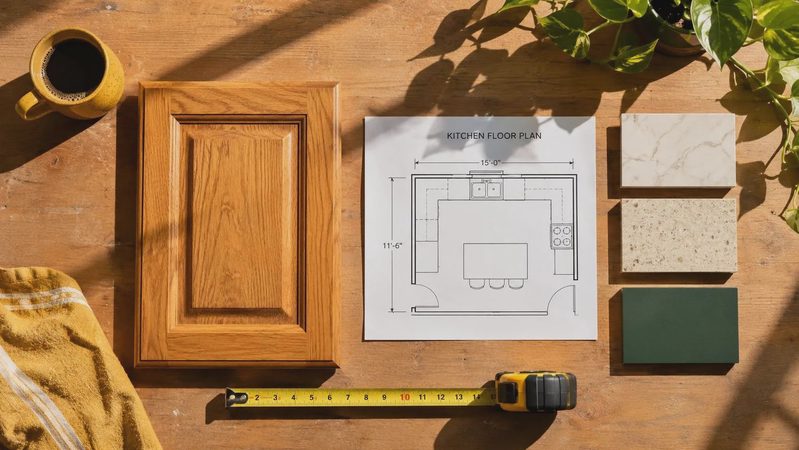
Start with measurements, not a Pinterest board. Record wall lengths, ceiling height, window and door openings, plumbing locations, appliance dimensions, and the location of outlets. Measure more than once, then have the person responsible for the design review those numbers before payment.
Barker cabinets should be planned around how you cook. Put utensil storage near the dishwasher, sheet pans near the oven, and everyday plates where a child can help unload them safely. If you make coffee every morning, a narrow beverage station may be more useful than another decorative upper cabinet. In my kitchen, a 24-inch drawer stack beside the range earns its space every day because it holds measuring cups, wooden spoons, and the pan I reach for most often.
Do not fill every inch simply because you can. A little breathing room around a refrigerator door or a corner makes the whole room work better. Account for appliance clearance, countertop overhang, and the direction each door opens. Beautiful Barker cabinets cannot correct a refrigerator that blocks the main walkway when someone opens the freezer.

What to inspect when samples arrive
When your door and finish samples arrive, inspect them in morning, afternoon, and evening light. Run a damp cloth over the surface, look at the edge treatment, and compare the sample with your flooring and countertop selections. Paint colors can shift dramatically under warm 2700K bulbs versus cooler task lighting.
For Barker cabinets, examine a drawer front and door from several angles. The most important test is not whether the finish photographs well; it is whether the details look consistent. Check the inside corners, hinge plates, shelf supports, and drawer action. Open a drawer fully and see whether its contents remain accessible without reaching around a side wall.
Ask practical questions before ordering: How are damaged parts handled? What is the expected lead time? Which components arrive assembled? Who confirms the final measurements? What happens if an appliance specification changes? Written answers are much more useful than a cheerful showroom promise, especially when several trades are coordinating on a tight schedule.
Installation details that protect your investment
Cabinet installation is not the place for rushed improvisation. The wall must be checked for plumb, the floor for level, and the cabinet run for proper alignment. Upper cabinets need secure attachment to framing or approved blocking, not merely drywall anchors. Base cabinets should be leveled continuously so countertop seams, doors, and drawers behave as intended.
If you hire an installer, confirm that the person has experience with the cabinet system you selected. A skilled installer will leave fillers where needed, scribe panels cleanly, protect finished surfaces, and avoid using excessive force to close a misaligned door. Photograph every box and component as it arrives, especially before the packaging is discarded.
For Barker cabinets, keep a labeled folder with the layout, finish name, order details, hardware instructions, and appliance specifications. That folder can save hours if a replacement hinge or matching panel is needed later. It also gives your contractor one clear source of truth when the kitchen is full of cardboard and nobody remembers which filler belongs beside the pantry.
Are Barker cabinets right for your kitchen?
They are a sensible option for homeowners who value design flexibility, want a coordinated look, and are willing to participate in careful measuring and planning. They are less suitable for someone who needs a cabinet order installed immediately or does not want to manage details such as fillers, panels, hardware, and delivery timing.
My best advice is to compare the complete proposal rather than the cabinet price alone. Put Barker cabinets beside at least two alternatives and compare the same door style, storage features, finish, shipping, warranty language, and installation scope. A lower quote is not truly lower if it leaves out finished end panels or the trim needed to make the room look complete.
A great kitchen does not happen by accident. It happens by how you live in it. Before you place an order this week, measure your largest pan, list the five items you reach for every day, and mark where each should live. Then request samples, review the construction details, and build a realistic all-in budget. That small bit of preparation will tell you far more about whether Barker cabinets belong in your home than a perfect showroom photograph ever could.


No comments yet — be the first to share a thought.