The first time I tried to simmer tomato sauce in a flimsy pots and pans set, the bottom of the pan buckled, the sauce scorched, and Henry announced that dinner smelled “too toasted.” That was the night I remembered a kitchen truth I see over and over: cookware is either helping you or getting in the way. A good set should make Tuesday night easier, not turn it into a small engineering project.
That is why I look at cookware the way I look at a kitchen layout. The pretty picture matters less than the daily repeat. If you make eggs, pasta, chicken thighs, soups, and the occasional one-pan sheet-pan dinner, the right pieces will save you time, cleanup, and a lot of grumbling. The wrong ones will sit in a cabinet, rattling around with the lid that never fits anything.
What belongs in a good pots and pans set
A lot of boxed sets are built to look generous. They come with two tiny saucepans, one oversized stockpot, a pair of skillets, and a couple of lids that seem to have wandered in from somewhere else. For many households, that is too much of the wrong thing and not enough of the right thing. A better starting point is a 10-inch skillet, a 12-inch skillet if you cook for more than two people, a 2-quart saucepan, a 3-quart saucepan, and a stockpot around 6 to 8 quarts. Those sizes cover most everyday cooking without forcing you to stack pans like a game of kitchen Jenga.
If you already own a Dutch oven or a favorite cast-iron skillet, you may not need a giant box at all. In that case, a smaller pots and pans set can be smarter than a so-called complete collection. I would rather see a family spend $180 on the three pieces they actually use than $320 on a bundle that includes a tiny egg pan no one will miss.
Think about what you cook most. Pasta water needs a big pot. Stir-fry likes a wide skillet. Pan sauces are easier in a saucepan with a straight side and a solid lid. When the shapes match the food, dinner gets less fussy.
Materials matter more than the box count
The material decides how the cookware behaves, which is why two similar-looking pans can feel wildly different in use. Stainless steel is the workhorse for browning, searing, and deglazing. It does not give you nonstick release by itself, but it handles high heat well and usually lasts a long time. Hard-anodized aluminum heats quickly and evenly, and many home cooks like it because it feels lighter in the hand. Nonstick is still useful for eggs, crepes, and fish, but it is a short-to-medium-term tool, not a forever pan. If you use metal utensils on it or blast it on high heat, it wears out faster.
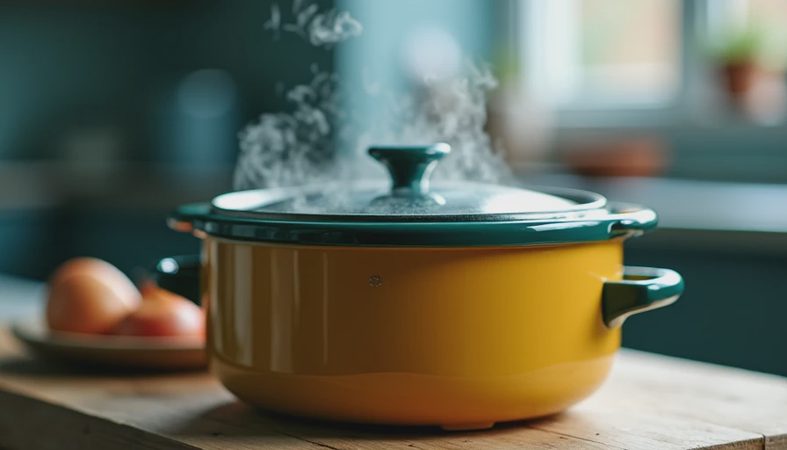
A good pots and pans set should feel balanced when you lift it with one hand. If the handle is too long, too thin, or too heavy on one end, you notice it every time you drain pasta or move the pan from stove to sink. Glass lids are handy because you can watch a simmer without lifting the lid and losing heat. Riveted handles are usually more durable than handles that are simply screwed on, and oven-safe lids and handles make weeknight cooking easier when you want to finish something under the broiler.
Brand names matter less than construction, but there are familiar value lanes. Tramontina is often a solid budget pick, Cuisinart and Calphalon usually sit in the middle, and All-Clad is the premium benchmark many shoppers compare against. That does not mean the most expensive one is right for you. It means the pan should feel sturdy enough that you are not babying it every time you cook.
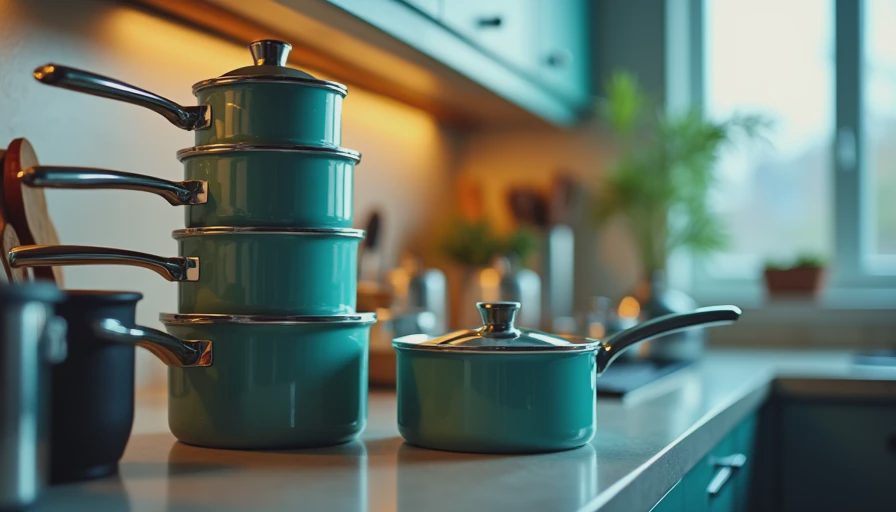
Sizes and pieces you will actually use
This is the part of cookware shopping that saves the most money. Most people do not need five saucepans, three sauté pans, and a mystery accessory that looks impressive in the box. They need a few repeatable sizes that match real meals. If you cook oatmeal, rice, or small batches of soup, a 2-quart saucepan gets a lot of use. For family pasta nights, a 3-quart saucepan is better because it gives you enough room to stir without boiling over. A 10-inch skillet works well for grilled cheese, salmon fillets, and two chicken breasts. A 12-inch skillet earns its keep when you are cooking vegetables and protein at the same time.
Here is the other thing I learned after years of specifying kitchens: matching lids matter. A pot with no lid is annoying. A lid that only fits one pan is almost as annoying. If a set gives you a lid that can serve two sizes, that is real value, not gimmick value. The same goes for nesting. A neat stack that fits in one lower cabinet is worth more than a crowded tower that blocks the whole shelf.
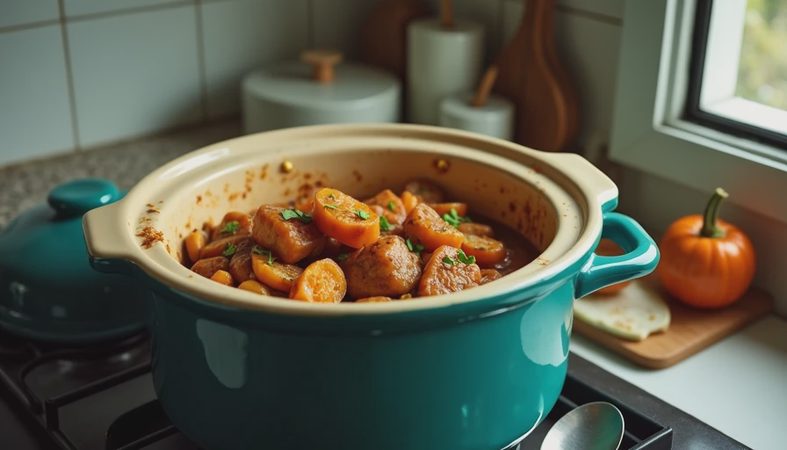
If your home cooks a lot of one-pot meals, choose a deeper sauté pan or a wide Dutch oven over a tiny extra skillet. It is easier to make chili, braises, and saucy pasta in one forgiving pot than to juggle three separate pieces and a colander.
What to spend on a pots and pans set
When a pots and pans set is priced too low, the tradeoff usually shows up fast: thin metal, hot spots, loose handles, and nonstick coating that gives up sooner than you expected. In the $80 to $150 range, you can find serviceable starter cookware for light use or a first apartment. In the $150 to $300 range, the quality jump is often noticeable in the handles, the weight, and the way food browns instead of steam-poaching itself. Once you get into the $300 to $600 range, you are paying for heavier construction, better heat control, and a set that can hold up to years of family cooking.
A nice middle path is to buy fewer pieces from a trusted line and add open-stock pieces later. That approach often beats buying a huge boxed set just because the price looks good. I have seen families do better with one strong skillet, one good saucepan, and a Dutch oven than with a full cart of bargain cookware that feels flimsy on day one.
The smartest shopping move is to buy for your stove, not for the fantasy meal you cook once a year. Gas burners and induction cooktops both reward flat, stable bottoms. If you have induction, make sure the set is labeled compatible. If you have electric or glass-top, avoid warped bottoms and very light pans that skate around.

Care, storage, and when to move on
A cookware set lasts longer when you treat it like something you use every day, not something from a wedding registry cabinet. Nonstick likes medium heat, wooden or silicone tools, and hand washing if you want the coating to survive. Stainless steel can handle more, but it still benefits from a little patience on the stove and a soak when food sticks. I learned this the hard way after leaving a pan on high heat while chasing Henry for a missing dinosaur toy. The meal survived. The pan was less thrilled.
Storage matters too. If your cabinets are crowded, put a soft liner, a towel, or a simple pan protector between stacked pieces so the cooking surface does not get scratched. Keep lids together near the pots they belong with. If you have to clear an avalanche of pans before making breakfast, the setup is working against you.
Sometimes the best move is not to replace the whole set. If one skillet is warped, one saucepan is scratched up, and the rest still perform well, replace the problem pieces one at a time. That is especially true for people who cook often and already know which sizes they reach for first. A good pots and pans set should earn its keep in the first year, then keep doing the job quietly for many meals after that.
The right cookware does not need to be fancy. It needs to be sturdy, appropriately sized, and easy enough to reach for on a tired evening. If you are shopping this week, start by pulling out the pans you use most, checking which sizes are missing, and buying around that real routine. A great kitchen doesn't happen by accident. It happens by how you live in it.

No comments yet — be the first to share a thought.