The first time I tried to make dinner after a long kitchen-install day, I burned the garlic, overcooked the noodles, and still served it because Henry was already asking for seconds. That is why I keep coming back to pasta recipes: they forgive a little chaos, they turn pantry odds and ends into dinner, and they let you eat well without turning the stove on for an hour. In a real kitchen, that matters more than a pretty finish on the pot.
Start with a short pantry list
The simplest pasta recipes usually begin with about eight things: dry pasta, canned tomatoes, olive oil, butter, garlic, Parmesan, red pepper flakes, and one vegetable. If you keep De Cecco or Barilla on hand, a can of Cento or Tuttorosso tomatoes, and a block of real Parmesan instead of the shelf-stable shaker, you can make dinner for four for roughly $8 to $15 depending on the extras. I like a $12 Microplane for cheese and garlic because it does more work than half the gadgets in my drawer. A $17 OXO garlic press is another one I reach for when I am tired and do not want to mince by hand. The point is not perfection. It is having enough good basics that dinner starts quickly and still tastes like someone cared.
I also keep frozen peas, spinach, and a jar of Calabrian chile paste around. Those three things have rescued more Tuesday nights than I can count. A handful of peas turns plain noodles into something bright. A spoon of chile paste adds heat without making the dish feel heavy. That is the difference between a formula and a meal.
Three sauces that never feel fussy
When I test pasta recipes, I come back to three sauces because they work with almost everything else in the fridge. The first is a quick tomato sauce: olive oil, garlic, a pinch of salt, a can of crushed tomatoes, and ten minutes on the stove. The second is butter and Parmesan with a splash of pasta water, which sounds too plain until you taste how glossy it gets. The third is a garlicky olive oil sauce with lemon zest, herbs, and a little chili. It is the one I make when the basil from the community garden is trying to bolt and I need to use it fast.
Each one gives you a different texture. Tomato sauce coats ridged shapes and hides a chopped vegetable well. Butter and cheese cling to long noodles and feel rich without needing cream. Olive oil keeps things light, which is useful when you are also serving bread and a salad. If you want a reliable starting point, pick one sauce and learn it before you branch out. That is how good pasta recipes get repeat visits instead of one-time applause.
Match the shape to the sauce
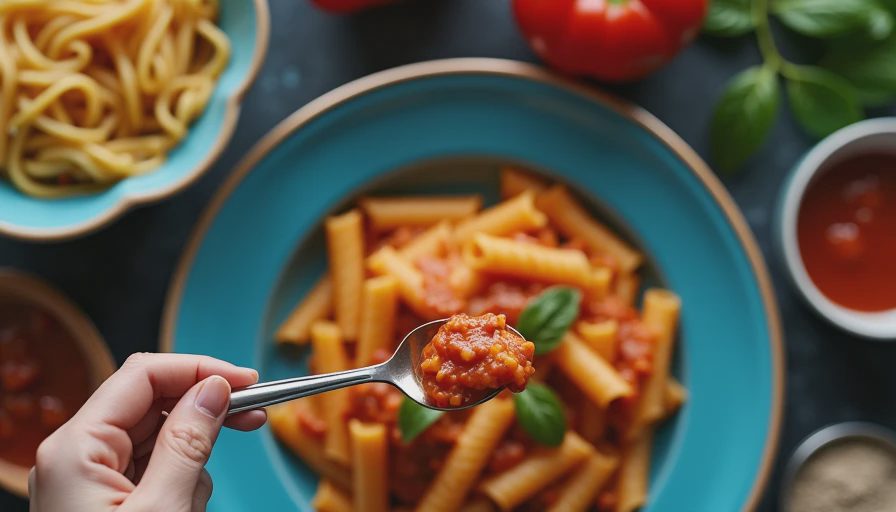
This is where a lot of home cooks lose momentum. Thin sauces belong with long shapes like spaghetti or linguine, because the strands can carry the sauce without drowning it. Chunky sauces do better with rigatoni, shells, or orecchiette because the ridges and cups catch bits of sausage, beans, or roasted vegetables. Bucatini is fun when you want drama, but I reach for it less often because it can be a little slippery when dinner is rushed.
The other trick is salt and water. Pasta water should taste like the sea, and you should save at least a cup before draining. That cloudy water is what helps the sauce and noodles become one thing instead of two separate parts. A colander from the dollar store works fine. What matters is timing: pull the pasta a minute early, finish it in the skillet, then stir until the sauce looks shiny and loose. That one move makes dinner feel restaurant-level without requiring any restaurant-level effort.
Turn dinner into a full meal without extra work
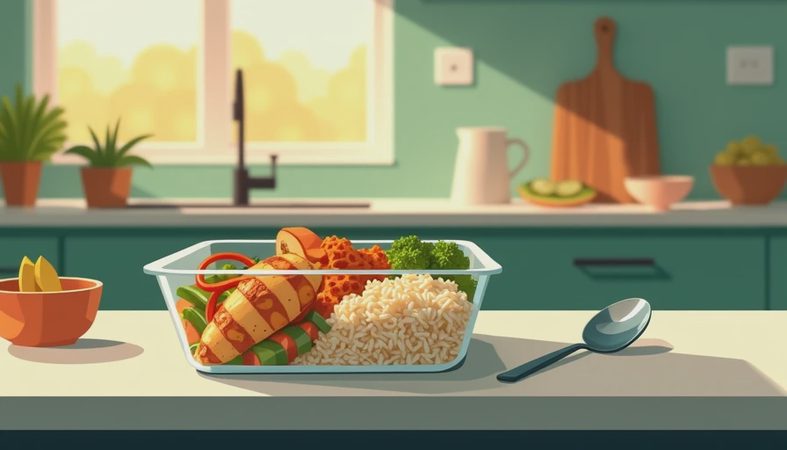
A bowl of pasta is nice. A bowl that also has protein and vegetables is what gets you through a real week. Rotisserie chicken from the grocery store, a can of chickpeas, Italian sausage, or a few chopped shrimp can all stretch the meal. For vegetables, roast broccoli, zucchini, mushrooms, or cherry tomatoes on one sheet pan while the water boils. Frozen peas can go straight into the pot during the last minute. Spinach wilts in the hot pan after the noodles are drained. None of this needs a separate recipe card taped to the fridge.
These pasta recipes also work because they leave room for whatever is already in the kitchen. If there is half a lemon, use it. If there is a lonely zucchini on the counter, slice it thin and sauté it in olive oil until the edges brown. If there is one spoonful of pesto left in the jar, whisk it into a little hot water and call it a sauce. That kind of flexibility is what keeps dinner from becoming wasteful or expensive.
Build a shopping list you can repeat
I like a repeatable list better than a perfect plan. Mine usually starts with one pound of pasta, one 28-ounce can of tomatoes, one onion, one lemon, one bunch of parsley or basil, and one protein if I need it. Add a bag of salad greens, a head of broccoli, or a frozen vegetable and you have the bones of three different dinners. At most grocery stores, that basket lands somewhere around $15 to $25 before the protein, which is still a lot easier to stretch than takeout for a family.
The order matters too. I shop the perimeter first, then grab pantry staples. That keeps me from drifting into the snack aisle and coming home with cookies instead of dinner. A good box of pasta, a decent jarred sauce, and a few fresh ingredients will do more for a weeknight than a cart full of impulse buys.
Make one bowl this week and learn from it
The best way to get comfortable is to cook one version twice. Start with a tomato sauce if you like bold flavors, or the butter-Parmesan route if you want something softer and faster. Watch how much salt the cheese adds, how long the noodles need, and whether your family actually wants the vegetable mixed in or served on the side. Small notes like that are what turn dinner from a guess into a habit.
If you want to build a dinner rhythm that lasts, start with one of these pasta recipes and make it your own next week. Swap the shape, change the herb, add chickpeas instead of sausage, or use frozen spinach when the fridge is looking sad. A great kitchen doesn't happen by accident. It happens by how you live in it. And most of the time, that begins with a pot of salted water, a skillet, and dinner in about twenty minutes.

No comments yet — be the first to share a thought.