The night Henry helped stir pancake batter, I reached for the same 10-inch skillet I use for eggs, chicken, and the occasional salvage mission after a burnt sauce. That is the real test for pots and pans: not whether they look pretty in a store, but whether they help dinner happen when you are tired, distracted, and trying to make one burner do too much. The best kitchen tools earn their cabinet space because they heat evenly, clean up without drama, and cover most of what you cook on a Tuesday night.
What a useful set should do
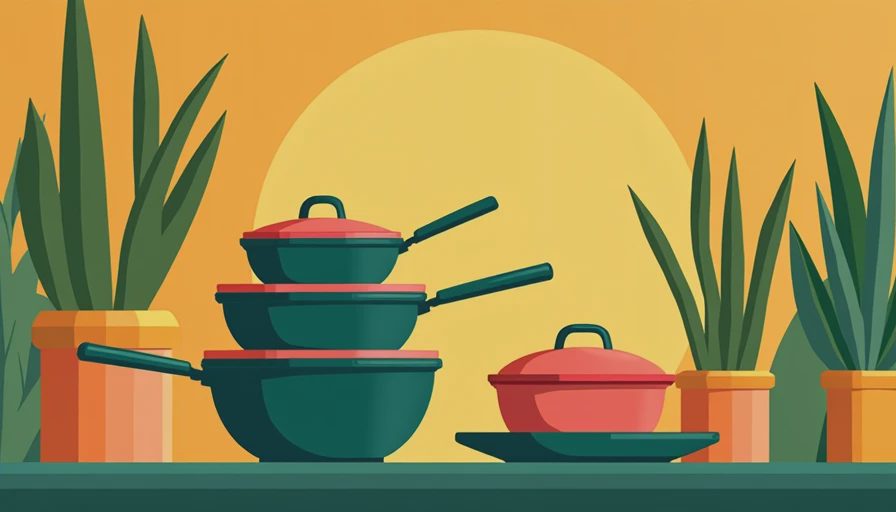
If you are starting from scratch, think in terms of a small working set rather than a full showroom stack. You do not need matching pots and pans in every size to cook well. Most homes do well with a 10-inch skillet, a 12-inch sauté pan if you cook for a family, a 2-quart saucepan, a 3-quart saucepan, and a larger Dutch oven or stockpot. That covers pasta, rice, soup, tomato sauce, pan chicken, and scrambled eggs without making your cabinet feel like a restaurant supply closet.
I like tri-ply stainless for the workhorse pieces because it is durable, responsive, and fine on gas or electric. For sticking-prone foods, a well-seasoned cast-iron skillet still earns its keep. Brand names matter less than construction, and construction is easy to spot once you know what to touch. An $80 Tramontina tri-ply skillet can cook a weeknight chicken breast just as well as a pricier pan if the base stays flat and the handle feels balanced. A Lodge cast-iron skillet around $20 to $40 is still one of the best deals in the kitchen world.
The right pots and pans are the ones that match how you cook, not the ones with the nicest box. Nonstick is useful for eggs and delicate fish, but I would not build an entire lineup around it because coatings wear down faster than metal. If you only reach for a nonstick pan twice a month, it is probably not the first thing to spend on.
Materials that earn their keep
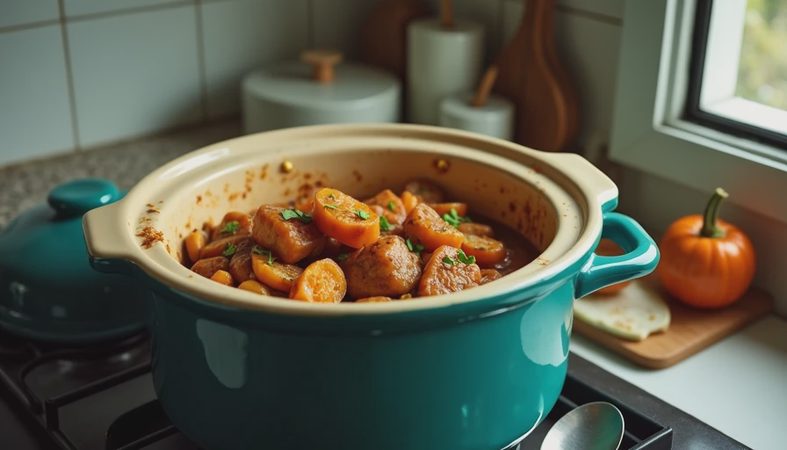
Stainless steel is the safest default for most homeowners because it handles browning, simmering, and oven finishing without fuss. Aluminum cores help it heat more evenly, which matters when you are reducing marinara and do not want a scorched ring. Enameled cast iron is heavier and slower, but a Dutch oven from brands like Le Creuset or Lodge earns a place if you make braises, chili, or no-knead bread. I would treat cheap thin aluminum as a temporary fix; it dents, warps, and often gives you hot spots that show up right when you are trying to sear salmon.
With pots and pans, size is often where people overspend. A giant stockpot is handy during holidays, but it can be annoying to store and heavy to wash. A 2-quart saucepan covers oatmeal, gravy, and reheating soup better than a huge pot that takes forever to boil. The sweet spot is choosing one or two sizes you will use weekly, then adding specialty pieces only if a real need appears.
How to choose for your stove and routine
Gas burners reward responsiveness, so I lean stainless or cast iron for most people. If you have induction, check for magnetic bases before you buy; a magnet will stick to induction-ready cookware. On glass cooktops, flat bottoms matter more than marketing copy because a warped pan wastes heat and slides around. If you cook for kids, the extra two minutes needed to heat a heavier pan is usually worth the better browning and fewer hot spots. For apartment cooks with tiny storage, a nesting saucepan set and one good skillet beat a giant 12-piece bundle.
Think about your most common meals before you shop. If breakfast is eggs and toast, a 10-inch nonstick skillet is practical. If weeknights are sheet-pan dinners, you may only need one skillet, two saucepans, and a Dutch oven. If you make soup every Sunday, add a 6- to 8-quart stockpot. Buying based on the meals you actually cook keeps the cabinet from filling with pieces that only work twice a year. A great kitchen does not happen by accident. It happens by how you live in it.
Set or open stock?
This is where the sales pages get persuasive, but the smartest move is usually a mixed approach. A boxed set can save money if it includes the exact sizes you need and uses the same core material throughout. Open stock is better when you already know you hate a tiny saucepan or never use a steamer insert. I often tell people to buy the skillet and saucepan sizes they will reach for daily, then fill gaps later. A $150 to $300 starter setup built piece by piece often works better than a $500 bundle that looks impressive and sits untouched.
For many homes, the right pots and pans are assembled over time, not unboxed in one weekend. That slower approach also makes it easier to watch for sales. I have seen good tri-ply skillets marked down at Target, Sur La Table, and even warehouse clubs when a line changes packaging. You do not need to buy everything at once to cook well next month.
Care, storage, and when to replace
Maintenance is simple, but it is what keeps decent cookware feeling new. Hand-wash stainless when you can, dry it right away, and use a little Bar Keepers Friend if tomato sauce leaves a dull film. Season cast iron after washing, and never soak it. Nonstick needs gentle heat and silicone or wood utensils if you want the coating to last more than a few years.
Storage matters too. If cabinet space is tight, lid organizers and a simple vertical rack can save more frustration than buying another pan. Keep the pieces you reach for in the easiest spot, and stop storing the Dutch oven behind three rarely used baking dishes. If a pan is warped so badly it rocks on the burner, or the surface is flaking, it is time to replace it instead of pretending it still earns cabinet space. That is true for pots and pans too; the piece that no longer heats evenly is costing you time every night.
If your kitchen is overdue for a reset, start with one skillet and one saucepan that feel good in your hand. Cook three real dinners with them before buying anything else. You will learn fast whether you need more stainless, a better nonstick pan, or just less clutter. In my house, the cleanest upgrade was not a full set. It was swapping out the pieces that fought me and keeping the ones that made dinner easier.

No comments yet — be the first to share a thought.