In my Chicago kitchen, dinner recipes have to survive a five-year-old on a step stool, a too-small cutting board, and one stove burner that runs hotter than the others. If a meal needs twelve bowls and a perfect timeline, it gets made once and forgotten. The ones I come back to are the ones that start with pantry basics, forgive a little improvising, and still land on the table before everyone turns cranky. A great kitchen does not happen by accident. It happens by how you live in it.
Start with a repeatable formula
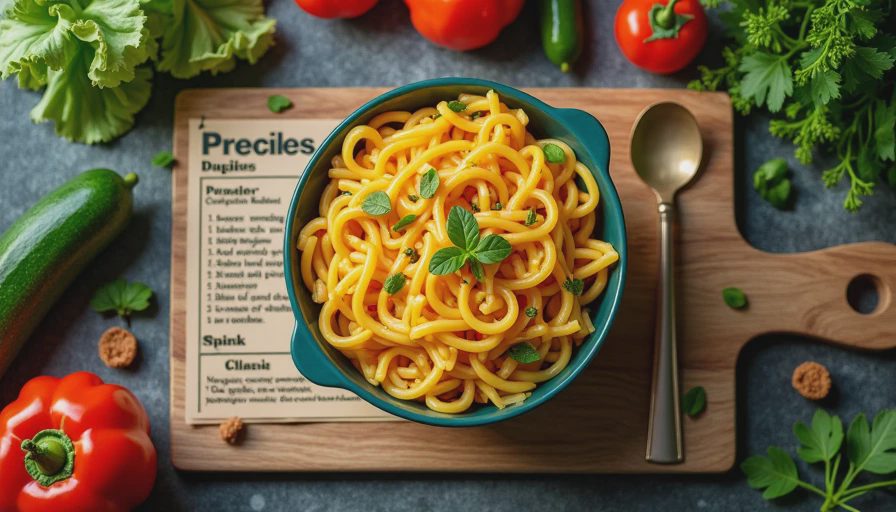
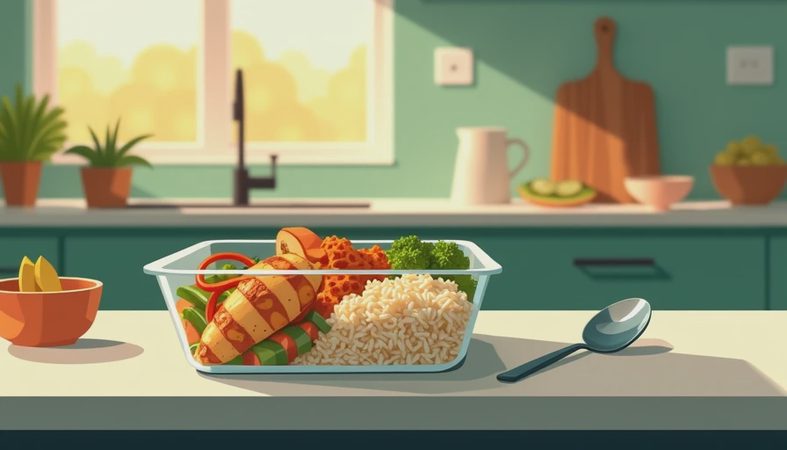
The best dinner recipes are not really recipes in the fancy sense. They are a formula you can repeat when the week gets loud. I like one protein or bean, one vegetable, one starch, and one sauce or finishing ingredient. That might look like rotisserie chicken, frozen broccoli, microwave rice, and pesto. Or it could be chickpeas, spinach, couscous, and feta with lemon. Once you stop chasing a perfect menu, dinner gets cheaper and faster. A family of four can usually stay around $12 to $25 for a meal this way, depending on whether you use chicken thighs, salmon, sausage, or something already sitting in the fridge.
What matters most is overlap. If roasted broccoli shows up on Tuesday, it can become a grain bowl on Wednesday. If you cook a pot of rice, it can move from stir-fry to soup. That is the quiet trick behind weeknight cooking: one shopping trip, several meals, and fewer last-minute runs to Target for one missing ingredient.
Build the grocery list around overlap
When I shop for a week, I start by looking for ingredients that can play more than one role. Eggs are breakfast, yes, but they are also fried rice, frittata, and a quick sauce for noodles. Baby spinach disappears into pasta, quesadillas, and soup. A can of crushed tomatoes can become shakshuka, marinara, or the base for a stew. Even something as simple as a bag of tortillas can stretch into tacos one night and quesadillas the next.
This is where a little kitchen honesty helps. If your fridge is small, do not buy three vegetables that all need washing, trimming, and immediate use. Pick one sturdy fresh item, then lean on frozen peas, canned beans, jarred salsa, or a good bottled sauce. I keep Rao’s marinara, Barilla pasta, and a bag of Lundberg rice around because they make the gap between I should cook and I can cook feel much smaller.

Keep two fast paths: sheet pan and skillet
For weeknights, the dinner recipes I trust most use either a hot sheet pan or a wide skillet. A sheet pan gives you roast chicken thighs, sausage with peppers, or salmon with asparagus in one shot. A skillet gives you ground turkey with taco seasoning, a quick fried rice, or pork with green beans. The gear does not need to be fancy. A Nordic Ware half sheet pan, a 12-inch Lodge cast-iron skillet, and a sturdy OXO turner are enough to cover a lot of ground.
The reason these methods work is not just speed. They also keep cleanup sane. When Henry helps me cook, I can hand him the green beans to toss with oil in a bowl and still know dinner will happen. I am not juggling six pans while a pot boils over. I am using heat well, which is half the battle in a real kitchen.
A useful rule: if you can get from raw ingredients to the oven or pan in under 15 minutes, you are more likely to cook on a Tuesday than on a Saturday. That matters more than chasing a clever sauce every time.
Make the kitchen do some of the work
A kitchen that supports dinner starts with a few habits that save minutes. Keep the most-used tools in the same drawer every time: chef knife, peeler, sheet pan, wooden spoon, measuring cups. Store dry grains in clear containers so you can see when rice or pasta is running low. Put onions, garlic, and potatoes in one basket instead of scattering them across three cabinets. If your fridge has a dead zone, use it for yogurt, cheese, or leftovers that need to be seen before they vanish.
I also like one small appliance that earns its space. A rice cooker, even a basic $30 model, can turn rice into a reliable side without babysitting. A slow cooker or Instant Pot can be useful too, but only if you truly use it. The right tool is the one that makes a plain Tuesday easier, not the one that looks impressive on a counter for two weeks.
A three-night rotation for real life
When I plan dinner recipes for my own house, I try to think in rotations instead of individual meals. One night is a quick taco or rice bowl built from ground turkey, beans, and whatever vegetables are left. Another night is pasta with jarred sauce, sautéed greens, and Parmesan. The third is a sheet-pan dinner with chicken sausage or salmon plus a vegetable that roasts well, like broccoli, carrots, or Brussels sprouts. Those three lanes cover a lot of life without making me feel trapped by a rigid meal plan.
The value is not just in the food. It is in the mental space. If you already know Monday is skillet night, Wednesday is pasta, and Friday is the oven, grocery shopping gets simpler. You stop buying random specialty ingredients that only work once. You also waste less food, because the same onion, lemon, and herb bundle can move across the week.
If you are feeding a family, build in one flexible slot for leftovers. Soup, quesadillas, breakfast-for-dinner, or a salad plus rotisserie chicken all count. That is not cheating. That is how busy homes actually function.
What to stock so tonight is easier
The pantry that helps most is not the prettiest one. It is the one with beans, canned tomatoes, pasta, rice, broth, olive oil, vinegar, garlic, onions, and at least two sauces you actually like. Add a few frozen vegetables, shredded cheese, tortillas, and eggs, and you have the bones of a week’s worth of dinners. If you keep a package of chicken thighs or a couple of sausages in the freezer, even better.
The dinner recipes that last in my house are the ones that match the way we really cook: a little messy, often rushed, and always hungry. They do not need a perfect pantry or a magazine kitchen. They need a system that makes it easy to start. Pick one formula, stock it well, and cook it twice this week. You will feel the difference by Thursday.

No comments yet — be the first to share a thought.