If your kitchen storage never seems to keep up with real life—the Tupperware avalanche, the lid graveyard, the spice shelf that falls over—you're in good company. After a decade designing kitchens for Chicago homeowners, I've learned that kitchen storage isn't about buying more organizers. It's about making the space you already have work harder. Here's what actually sticks.
Think Vertical Before You Buy Anything
The vertical space inside your cabinets is free real estate. A shelf riser, like the Rubbermaid Configurations line, can double your cup stacking area in five minutes. I added one from The Container Store and freed up a whole cabinet for my son's baking supplies. For lower cabinets, measure before buying a lazy Susan—a 20-inch unit for a 24-inch cabinet wastes four inches. Rev-A-Shelf makes specific sizes that hold up. Stack sheet pans vertically. The IKEA KUNGSFORS pan rack keeps them visible and easy to pull out. You don't need a bigger kitchen to store more—you need to use the air above your dishes.
The Cabinet Door Is Prime Real Estate
When I'm doing a kitchen storage makeover, the inside of cabinet doors is the most ignored space. A slim wire rack on the back of a base cabinet door holds cleaning supplies, and a few Command hooks keep measuring spoons and pot holders handy. Over-door organizers can work, but only with lightweight items like foil and bag clips—I've seen cheap ones fail under canned goods. I put a $25 over-door rack from Simple Houseware on my pantry door, and it's held up for two years. The RASKOG cart from IKEA also tucks into a gap and gives you movable kitchen storage that rolls where you need it.
What to Actually Store on Open Shelves
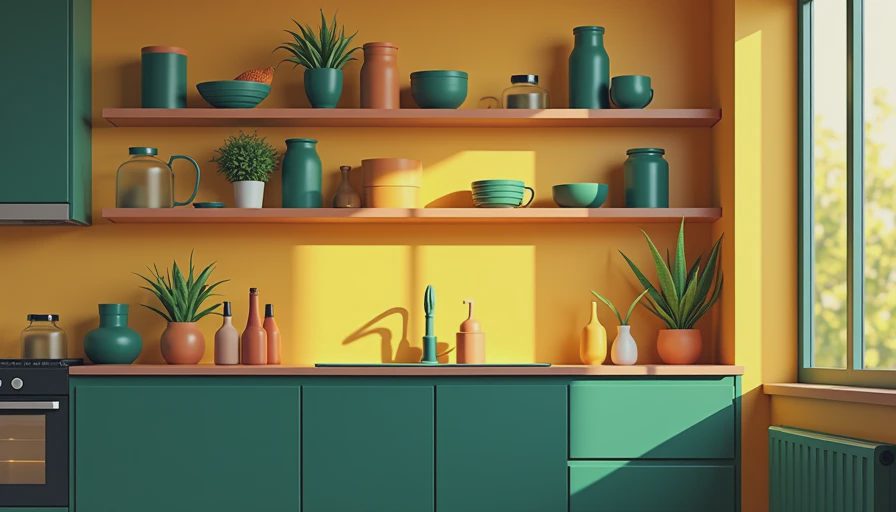
Open shelves are a kitchen storage trend that can either save you or sink you. They look lovely in photos, but if you store the wrong things, they turn into a dust-collecting display. My rule: open shelves should hold only items you use at least once a day—the mugs you rotate through, the plates you reach for, the oil and salt you grab while cooking. Everything else belongs behind a door. I keep a two-shelf unit near the stove with my cast iron skillet, a wooden spoon, and three small bowls for prepped onions and garlic. A tall IKEA KALLAX can add vertical storage for less than $100, but only if you're willing to style it regularly. The best part: when guests come over, the open shelf looks like a curated display instead of a catchall.
Under the Sink and Inside the Pantry
The under-sink cabinet is where kitchen storage goes to die. Between the plumbing pipes, the trash bin, and the bottle of all-purpose cleaner, there's never enough room. A two-tier metal shelf from Husky at Home Depot costs about $35 and instantly turns that wasted vertical space into storage for cleaning supplies, extra sponges, and the dog's food scoop. For the pantry, the same principle applies: group like items together in clear bins. I use a set of clear polycarbonate bins from IKEA's PRUTA line—they come in a 17-pack for around $8 and they're stackable. Labels matter too; a simple label maker prevents the "which bin has the rice" guessing game. And don't forget the back of the pantry door. A slim over-door rack can hold a week's worth of snacks without taking up a single shelf.

Storage Tools Worth the Money (and One I'd Skip)
Some kitchen storage tools are worth every penny. The OXO Good Grips POP containers keep dry goods airtight and lock together; a 14-piece set runs about $80. A 24-inch stainless magnetic knife bar from a hardware store costs $15 and has held our knives and spice tins for years. Under the sink, a sliding organizer with a raised lip keeps bottles from falling over, and you can find one at Target for about $30. The tool I'd skip? Can dispensers that roll out one can at a time. They jam the moment you buy a different brand's green beans. A simple pull-out drawer insert works better.
A Quick Checklist for Your Kitchen Storage Reset
Before you spend a dime, do a full reset. Empty every cabinet and drawer onto a table. Wipe down the shelves. Group items by use: daily, weekly, occasional. Toss anything you haven't touched in a year. Then measure your cabinet depths and heights. Once you know your actual dimensions, you can buy organizers that fit, not hope they'll work. This past weekend, I spent two hours doing my reset and found a salad spinner I'd forgotten I owned. The result was that my kitchen storage worked again—and for the first time in months, the drawer closed.
You Don't Need a Bigger Kitchen
The truth is, big kitchen storage solutions are usually about working with what you've got. I've seen a 700-square-foot condo cook better than a 3000-square-foot showplace because the owner stored things where they used them. A great kitchen doesn't happen by accident. It happens by how you live in it. Take the reset weekend, buy a few organizers that fit, and give yourself permission to stop buying clever gadgets that just become clutter. That's the kind of change you can feel the first time you cook in a kitchen that's arranged the way you actually work. If you have a kitchen storage problem you want me to tackle next, leave a comment below.


No comments yet — be the first to share a thought.