Last Tuesday, Henry and I were elbow-deep in pancake batter when the base cabinet hinge started catching again. That's how most people end up searching for kitchen cabinet ideas — not from a magazine cover, but from a drawer that won't close, a blind corner that swallows cookie sheets, or shelves that waste vertical space. After a decade designing kitchens in Chicago, I've learned that the best cabinet ideas come from how you live in the room. Not from the trendiest door style or the most expensive hardware, but from the daily motions of making coffee, packing lunches, and unstacking the dishwasher. Here's what I tell clients before they spend a dime.
Start With How You Move, Not Just How It Looks
Map your workflows before picking finishes. The old kitchen triangle assumed you'd walk from sink to stove to fridge. Most families today cook differently. We start coffee at the counter, prep at the island, and plate next to the dishwasher. So think in zones. Dedicate an upper cabinet near the coffee maker to mugs and a drawer below to pods. In the prep zone, keep boards and knives near the sink. And leave a landing strip of open counter where you unload groceries, not a cabinet door that blocks the path. A 24-inch stretch of empty counter next to the fridge can save you five trips to the pantry.
Our shallow pantry cabinet (18 inches deep) for canned goods outperforms our 36-inch pantry because everything is one row deep. Plan for a mix of depths: deep cabinets for pots, shallow for dry goods and spices. These kitchen cabinet ideas seem obvious once pointed out, but they rarely make it into a typical floor plan.
Door Styles: What Holds Up to a Five-Year-Old
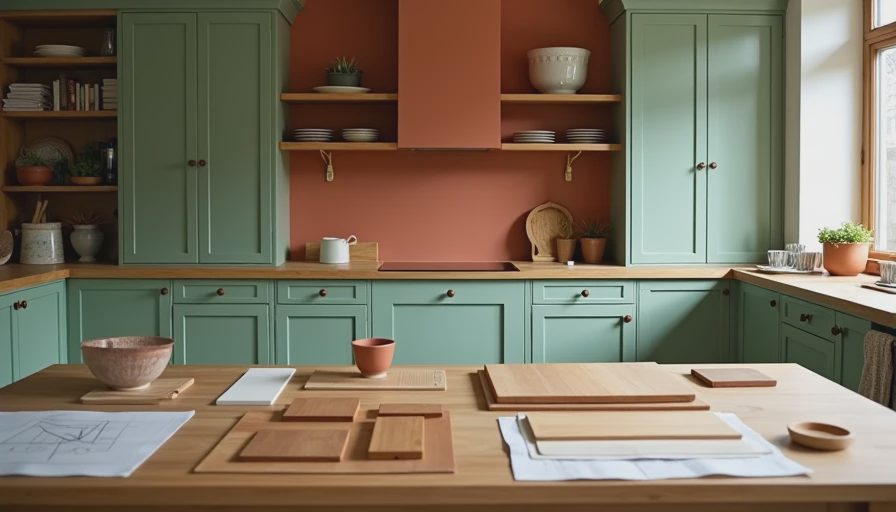
Door style deserves more than aesthetics. Shaker doors with a solid MDF center handle years of sticky fingers better than a flat slab with laminate. Inset cabinets look clean but are tougher to build; framed overlay is more forgiving and cheaper. Skip ultra-matte paint unless you enjoy wiping fingerprints. Semi-gloss or eggshell works better. And if you're painting cabinets that already exist, remember the finish needs to survive steam from pasta water and grease from bacon.
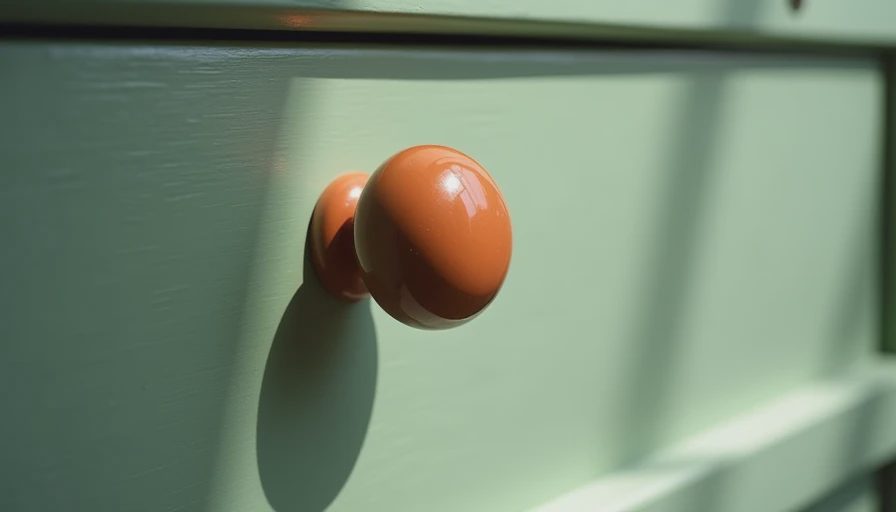
Soft-close hinges are worth the upgrade on every door — a few dollars more each, but no slamming and safer for little hands. For pulls, I lean toward bar pulls on drawers and knobs on doors. These kitchen cabinet ideas are the kind that make you wonder why you ever lived any other way.
Storage Ideas You'll Actually Use
The best upgrades don't show in a photo. Pull-out shelves for lower cabinets are the single most useful addition. Expect to pay $80 to $200 per cabinet for a retrofit, and you get a pull-forward shelf for casserole dishes. Spice drawers beat door racks because bottles stay upright. A 12-inch-deep drawer holds two rows of jars. If your lower cabinet is deep enough, two pull-out tiers organize pots below and lids above.
For blind corners, a lazy Susan only works if the shelves are wide enough to spin. A swing-out shelf that rides on a track is often better. In our last remodel, we skipped the giant corner cabinet and put a drawer stack in an open corner instead. It freed up counter space and gave Henry a low drawer for his cups.
Some of the most useful kitchen cabinet ideas we tested never show from outside. We installed a tilt-out tray in front of the sink that hides the sponge — under $30 and installs in minutes. Inside the sink cabinet, a raised platform holds dish soap and stops the bottle from tipping. And on the door under the sink, a small rack keeps cleaning brushes and extra sponges within reach.
Lighting and Hardware: The Finishing Touch
Cabinet ideas look finished when you light them. Under-cabinet LED strips cost $20 to $40 and make a huge difference for evening cooking. If you're rewiring, order puck lights during the design phase so they fit flush. Place them near the front edge of the cabinet so they shine onto the counter, not the backsplash.
In glass-front cabinets, add a small strip light on a push switch. We have one that turns Henry's vintage Pyrex collection into a backlit display for less than $50. For open shelving, use wider spacing at the bottom; it reads more grounded.
Where to Spend and Where to Save on Cabinets
Cabinets are the largest line item in a remodel. If you're looking at kitchen cabinet ideas on a budget, remember the box matters more than the door. Choose plywood with dovetailed drawers, and you can use a mid-priced door. RTA cabinets from Barker or Fabuwood can save 20 to 40 percent if you're willing to build them yourself over a weekend. Ordering all your cabinets from one manufacturer also reduces shipping and delivery headaches, even if you're mixing door styles.
Custom cabinets run $500 to $1,200 per linear foot. Semi-custom runs $200 to $600. Stock cabinets at big-box stores start around $100 to $200 per linear foot. Labor, countertops, and hardware add about 50 percent on top. If you have to choose, spend on functional storage before a designer color.
Before You Order: The Two-Week Test
Once you've narrowed down your favorite kitchen cabinet ideas, spend two weeks living with the layout on paper. Tape out the cabinet outlines on the floor. Move a card table into the center where the island would go. Stack boxes to mimic the counter depth. You'll quickly notice if the aisle between the island and the rangetop is too tight or if the dishwasher door blocks the cabinet below. We caught a clearance disaster this way before our last order: the drawer front would have hit the oven handle every time we opened it. The tape test takes an hour and saves the kind of mistake that makes you live with a kitchen you hate.
Final Takeaway
Ultimately, kitchen cabinet ideas aren't about following trends. They're about fitting your family's routines. Start with your worst cabinet — the one you dread opening — and brainstorm a fix. That single change might turn your kitchen from storage problem into favorite room. A great kitchen doesn't happen by accident. It happens by how you live in it.

No comments yet — be the first to share a thought.