Saturday morning, Henry and I were making pancakes when the drawer under the oven fell off its tracks for the third time this month. That drawer came with our house's original 1980s oak kitchen cabinets, and it was the final nudge to start a remodel. After eight years as a kitchen designer and 60+ projects, I know kitchen cabinets are the backbone of any renovation. They eat the biggest chunk of your budget and decide how your kitchen works on a busy Tuesday night.
Here's how to make smart decisions about your kitchen cabinets without getting lost in showroom dazzle.
Start with your layout, not the catalog
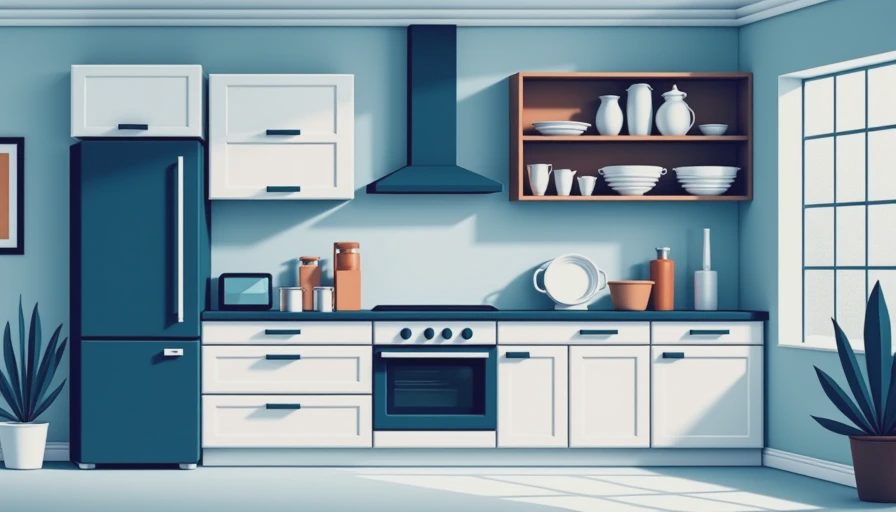
The biggest mistake is picking a cabinet style before thinking about how you cook. A great kitchen doesn't happen by accident; it happens by how you live in it. Start by measuring your space, mapping work zones, and deciding what needs to be within arm's reach.
Before you look at a door sample, sketch where plates, glasses, pots, and pantry items will live. Think about your tallest baking sheets and smallest spice jars. I had clients who loved open shelving, but with three kids and mismatched Tupperware, we compromised with closed uppers and one display shelf. That decision saved their sanity.
Your layout determines what cabinet sizes and configurations you need. A lazy Susan in a corner doubles usable storage. A pull-out trash bin or recycling cabinet keeps the floor clear. These details turn a kitchen from pretty to useful.
What to look for in cabinet construction
Not all kitchen cabinets are built the same. At a big-box store, you'll find everything from budget particleboard to plywood boxes. The big differences are in box construction and drawer glides.
Look for plywood sides rather than particleboard or MDF. Plywood handles moisture better and holds screws. Drawers should have soft-close slides and dovetail joints. Dovetail sounds fancy, but it means the drawer won't come apart after five years of slamming. Henry is five, so our drawers get a workout.
Also check the door hinge. A concealed European soft-close hinge costs a little more, but it saves you from the 'cabinet door slams while everyone's sleeping' problem. Worth every penny.

Door styles and finishes that hold up
Once the construction is solid, you get to choose how your kitchen cabinets look. Door style is the most personal choice. Shaker is popular for a reason: it's clean, fits almost any home, and reads as classic. Slab doors are sleeker and easier to wipe down, which is why they're everywhere in modern kitchens. Raised panels feel more traditional and suit older homes.
Finish matters almost as much as door style. Matte and satin hide fingerprints better than high-gloss. Navy and charcoal are gorgeous but show dust and drips quickly. If you cook a lot, a lighter paint or natural wood stain is more forgiving.
Consider durability too. Thermofoil and laminate are easy to clean and budget-friendly. Painted wood offers the most color options but can chip. A high-quality two-part polyurethane or conversion varnish resists yellowing and wears longer. If you're not sure, scratch a sample with a key. That tells you more than any brochure.
Budget: where to spend and where to save
The cost of kitchen cabinets varies wildly. I've seen Chicago clients spend $8,000 on stock cabinets to $30,000 or more on semi-custom and custom lines. Stock from Home Depot or Lowe's is the easiest way to keep your budget in check, and it's improved a lot. Semi-custom like KraftMaid or Thomasville lets you adjust sizes and finishes without a full custom build. Custom millwork is worth it for odd spaces or furniture-grade details.
Stock cabinets are a smart choice if your kitchen has standard measurements and you're happy with a classic layout. I've helped clients refresh a full kitchen for under $10,000 with stock boxes and good hardware.
Don't skimp on hinges, drawer slides, or the cabinet boxes themselves. Upgrading them is cheap relative to a future repair. Save on organizers, moldings, and specialty pullouts instead. Buy those later when you know what you use.
How to make the final call
Before you order, measure doorways and hallways. I once had a beautiful island delivered that didn't fit through the front door. Painful. Also decide who's installing. Professional installation adds roughly 20 to 30 percent to the cabinet budget. For most homeowners, it's money well spent because a shimmed, level, anchored set prevents future issues. If you're handy, DIY is possible, but don't underestimate the time.
If you're on a tight timeline, order early. Lead times for kitchen cabinets now run six to twelve weeks for many custom lines and even some stock colors. Plan around that or you'll stare at drywall for months.
The takeaway
A great kitchen doesn't happen by accident. It happens by how you live in it. Your kitchen cabinets are the biggest piece of that puzzle. Start with layout, focus on box construction and hardware, and choose a finish that matches your cooking habits. Spend where it counts: durable materials, soft-close mechanics, and professional installation.
If you're planning a remodel and feeling overwhelmed, photograph every cabinet and drawer you use, then write down what drives you crazy about each one. That list becomes your design brief. And if you want a real-world budget remodel example, I've got Chicago kitchen stories to share.




No comments yet — be the first to share a thought.