Saturday morning in my kitchen usually begins with pancake batter on the counter and Henry standing on the step stool, wearing one oven mitt like a puppet. By the time the cookies go in, I want a pan that releases cleanly, heats predictably, and does not require a negotiation with a stuck chocolate chip. Finding the best nonstick baking sheets is less about choosing the prettiest finish and more about matching the pan to the way you actually cook.
After years of specifying kitchen products for clients and testing them in my own Chicago kitchen, I look for four things: even browning, a durable surface, a rim that is easy to grip, and a size that fits the oven without crowding. A $15 sheet can be excellent for occasional cookies, while a $40 pan may make sense for someone roasting vegetables three nights a week.
What makes a baking sheet genuinely useful
The best nonstick baking sheets should have a sturdy body rather than a flimsy sheet that flexes when you lift it. That small detail matters when a pan holds 24 cookies or a pound of chopped sweet potatoes. Aluminum is popular because it heats quickly and evenly, while aluminized steel often feels more rigid and substantial. Some pans combine a steel core with an aluminum surface to balance responsiveness and strength.
Look at the rim, too. A low, rolled edge encourages airflow around cookies and makes a spatula easier to slide underneath. A taller rim is more practical for vegetables tossed with olive oil, but it can slightly limit access to the corners. I like a rim that is high enough to catch juices without turning a baking sheet into a shallow roasting pan.
Size is the quiet deal-breaker. A half-sheet pan is generally about 13 by 18 inches and fits most full-size home ovens. A quarter-sheet pan, often close to 9 by 13 inches, is useful for small batches, toaster ovens, or keeping two foods separate. Before ordering, measure the inside width of your oven. I once approved a beautiful oversized sheet for a remodel client and discovered the oven door would not close around it. That was a design mistake, not a baking mistake.
Coating, color, and everyday performance
Nonstick coatings vary, but the practical question is how the pan behaves after repeated use. A light-colored surface makes it easier to see whether cookies are pale, golden, or one minute from burnt. Dark coatings absorb more heat and can brown the bottoms quickly, which is useful for crisp roasted potatoes but less forgiving with delicate shortbread.
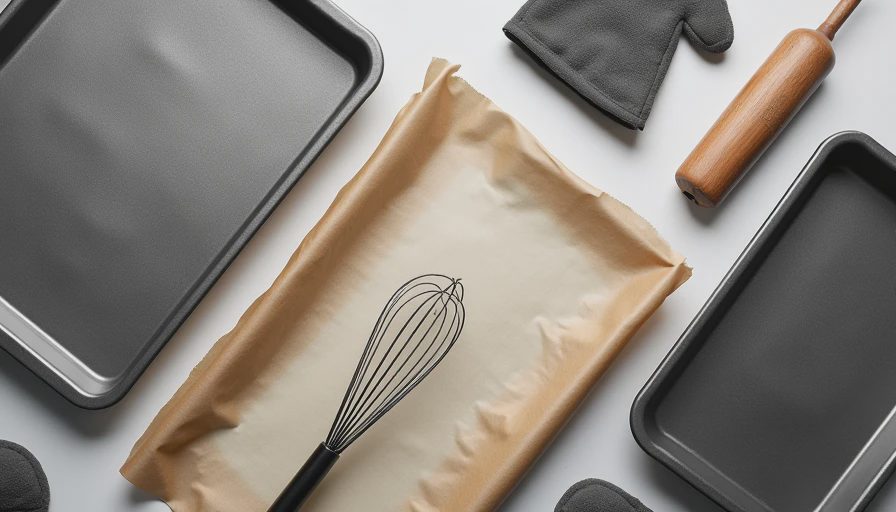
When comparing the best nonstick baking sheets, read the care instructions before getting distracted by a promotional price. Most are happiest with silicone or wooden utensils, gentle dish soap, and a soft sponge. Even if a manufacturer lists a pan as dishwasher-safe, hand washing often preserves the finish longer. Metal whisks do not belong on the surface, and neither does a stack of unprotected pans sliding around in a cabinet.
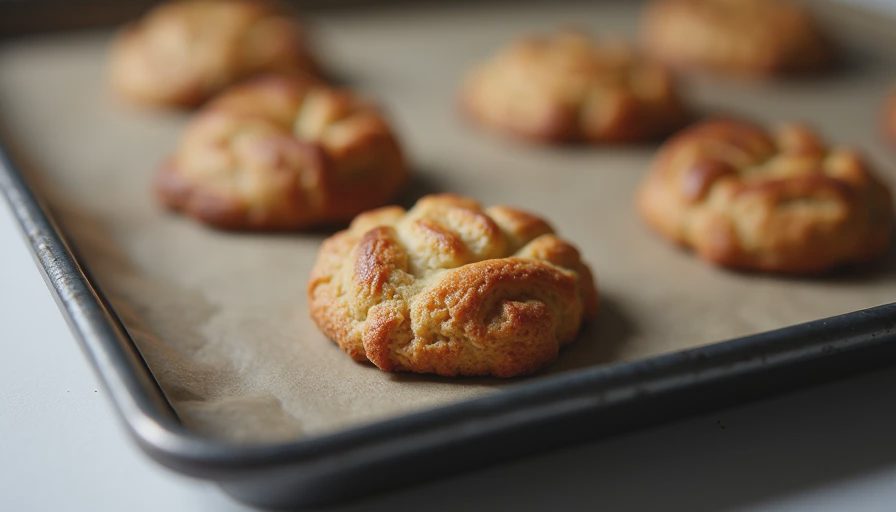
For cookies, I prefer a lighter-colored pan with a moderate rim. Parchment paper adds an inexpensive layer of insurance and makes cleanup easier, especially after Henry adds an enthusiastic handful of sprinkles. For salmon, roasted vegetables, and cheese-covered casseroles, a darker, heavier sheet can be more useful because it encourages deeper browning and handles richer drips.
Three buying paths that make sense
A budget pan can be the right answer. Nordic Ware's Naturals half-sheet pans are widely available, typically around $20 to $30, and their uncoated aluminum construction is dependable for cookies and roasting. They are not nonstick in the coated sense, so parchment or a light layer of oil helps with sticky foods. They also need careful drying because bare aluminum can develop discoloration.
For a coated option, look at products such as the USA Pan Bakeware Half Sheet, often priced around $25 to $35. Its fluted surface and substantial feel appeal to cooks who want easy release without a paper liner every time. The textured design can be less convenient to scrub if something sugary spills and bakes onto the pan, so I still use parchment for caramel-heavy recipes.
A premium choice such as the Williams Sonoma Goldtouch Pro half-sheet generally costs more, often in the $35 to $45 range. It has a smooth nonstick finish and a sturdy profile that feels reassuring when transferring a full pan from counter to cooling rack. The extra cost is easier to justify if you bake weekly, but a casual baker may get similar practical value from a less expensive pan and parchment.
These are not the only worthwhile choices. OXO, Wilton, GoodCook, and Great Jones all offer baking sheets in different sizes and finishes. The important comparison is not a brand ranking; it is whether the dimensions, coating, and cleaning routine fit your habits.
How to prevent sticking and premature wear
Even the best nonstick baking sheets benefit from sensible use. Preheat the oven fully before loading the pan, because a cold pan can change the timing of cookies and roasted foods. Leave about 1 inch between cookie dough portions so heat can circulate. If a recipe calls for parchment, use it rather than assuming the coating replaces every release aid.
Do not put a hot sheet under cold water. Thermal shock can warp thinner metal, and a warped pan will rock on the counter or brown one corner faster than the other. Let it cool for 10 minutes, then wash it with warm water and a soft sponge. For baked-on sugar, soak the pan instead of reaching for steel wool. Store sheets vertically in a divider rack or place a clean towel between stacked pans to prevent scratches.
Watch for bubbling, peeling, deep scratches, or a pan that no longer sits flat. A little staining is cosmetic; damaged coating is a practical reason to replace the sheet. Keeping one dedicated pan for messy marinades and another for cookies can also extend the life of both.
The best setup for a working kitchen
If I were starting from scratch, I would buy one half-sheet pan and one quarter-sheet pan rather than a large boxed set. That pair covers a surprising amount of real cooking: cookies on the larger sheet, garlic bread on the smaller one, and vegetables divided by seasoning when dinner needs to please both adults and a five-year-old.
For a household that bakes often, add a second half-sheet so one pan can cool while another goes into the oven. A wire cooling rack that fits inside the sheet is another smart purchase, usually $10 to $20. It lifts chicken thighs or bacon above drippings and turns a baking sheet into a more versatile tool. Just confirm that the rack's feet sit securely and that its dimensions match the pan.
The best nonstick baking sheets are the ones you will reach for without thinking. They should fit your oven, release the foods you make most often, and survive the ordinary chaos of a weeknight kitchen. Buy for your recipes rather than a glossy product photo, use parchment when it helps, and give the coating a gentle cleaning routine.
A great kitchen does not happen by accident. It happens by how you live in it. This week, measure your oven, check the sheet sizes already in your cabinet, and choose one durable pan that solves an actual problem. That is a much better upgrade than buying a six-piece set and finding out only one pan fits the way you cook.



No comments yet — be the first to share a thought.