Last Tuesday, Henry clipped every basil leaf from our windowsill plant because he was making “salad medicine.” The plant looked tragic, dinner still needed finishing, and I was reminded that the best indoor garden is not necessarily the sleekest one in a product photo. It is the one that fits your counter, your light, your cooking habits, and the small hands that may decide to harvest it. That is the real test when comparing the best indoor herb gardens.
What makes an indoor herb garden worth the counter space?
The best indoor herb gardens solve three ordinary problems: inconsistent light, forgotten watering, and the cost of buying a plastic clamshell of herbs for one recipe. A useful setup should make basil, parsley, mint, cilantro, or thyme easy to reach while you are cooking. It should also be simple enough that nobody has to read a 20-page manual before adding water.
Start with the location. A south-facing window is helpful, but winter light in Chicago is not exactly generous. If your kitchen has a north-facing window or deep upper cabinets, choose a garden with a built-in grow light. Measure the available area first. A unit about 16 inches wide can fit behind a cutting board, while a 24-inch model may compete with your coffee maker, toaster, and the mail pile that somehow lives beside both.
The best indoor herb gardens also have a sensible water system. Some use a reservoir that lasts 10 to 14 days, while others need watering every few days. A visible water-level indicator is more useful than a hidden tank with a tiny fill opening. I once specified a beautiful white planter for a client that required lifting the entire unit to see whether it needed water. It looked excellent for three weeks and then produced crispy parsley.
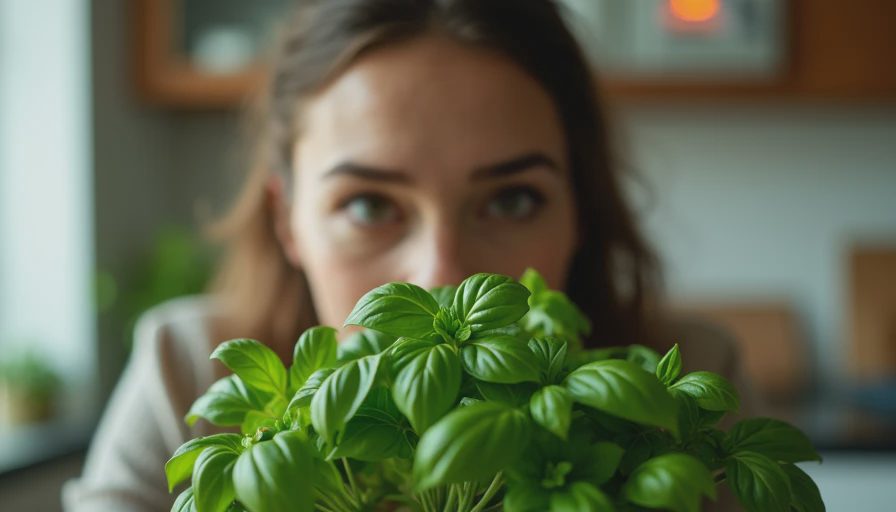
Smart gardens, simple planters, and the middle ground
The Click & Grow Smart Garden 3 is a good example of a compact, automated system. It uses pre-seeded pods, a water reservoir, and an integrated LED light, making it appealing for a first-time grower or a household that travels. The three-pod capacity is tidy, but it also means you cannot grow a full salsa garden at once. Expect to pay roughly $80 to $100 for the unit, with refill pods adding ongoing cost.
AeroGarden models offer more planting space and a wider range of herb and vegetable options. The Harvest line, often priced around $100 to $150 depending on the package, gives you room for six pods and includes a light on a timer. That larger footprint makes sense if you cook with basil, dill, chives, and parsley every week. It is less appealing if counter space is already precious or if you only want one pot of mint.
The best indoor herb gardens for budget-minded cooks may be much less technical. A $12 terracotta pot, a $6 bag of potting mix, and a $20 clip-on grow light can do the job. A narrow trough planter from IKEA or a local garden center can hold three small plants for well under $40. This approach requires more attention, but replacement plants are inexpensive and you are not tied to a proprietary pod system.
Choosing herbs you will actually use
Herb selection matters more than the number of planting slots. Basil grows quickly under strong light and rewards frequent trimming. Mint is forgiving but deserves its own container because its roots spread aggressively. Thyme and oregano tolerate a little neglect, making them practical choices for busy weeknights. Parsley grows more slowly, and cilantro can bolt quickly, so neither is always the easiest first experiment.
For a family kitchen, I would begin with basil, thyme, and mint. That combination covers pasta, roasted vegetables, lemonade, and the occasional pancake experiment. If you cook Mexican, Indian, or Vietnamese-inspired meals often, cilantro may earn the fourth spot. Read the pod or seed instructions before planting several fast-growing herbs together; basil can shade shorter plants within a month.
The best indoor herb gardens are not automatically the ones with the most varieties. Six struggling plants create more mess than three healthy ones. Look for pruning instructions, replacement availability, and realistic harvest timing. Some systems promise quick growth, but you still need to give plants enough light and avoid stripping more than one-third of a plant at a time.
The details that separate a pleasant setup from a messy one
Noise is easy to overlook. A small pump can make a faint hum, which is harmless in a kitchen but irritating in an open-plan living area at 6 a.m. Read the cleaning instructions too. Removable grow lights and dishwasher-safe planting baskets save time, while narrow reservoirs collect algae if they are difficult to scrub.
Height matters in a kitchen with upper cabinets. Measure from the counter to the bottom of the cabinet, then leave at least an inch of breathing room around the light fixture. A tall AeroGarden can work beautifully on an island but feel cramped beneath a standard cabinet. A low planter with a separate light may be better for a coffee station or a 30-inch-deep counter.
I also prefer a garden with a stable base and a cord that exits from the back rather than the side. That small design choice keeps the cable away from the sink and reduces the chance of Henry pulling the whole thing forward. Waterproof does not mean every electrical component belongs beside a splash zone, so use a grounded outlet and keep the plug dry.
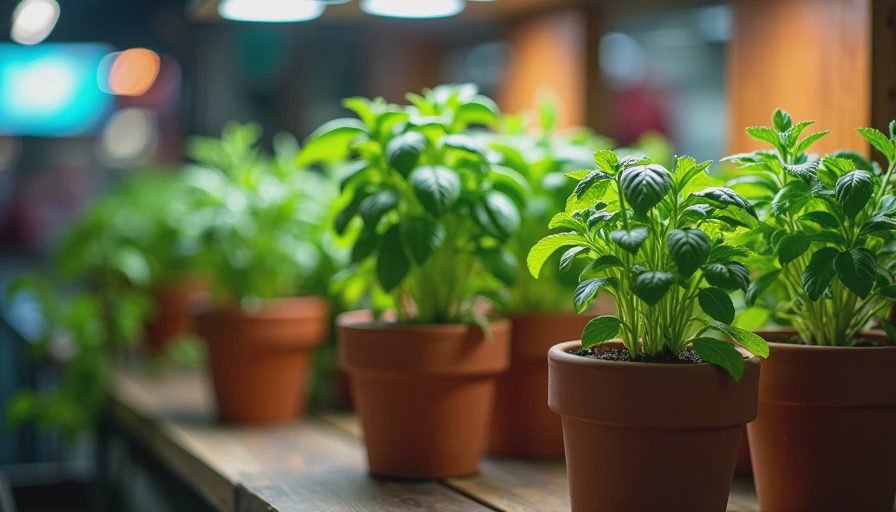
What I would buy for three real kitchen situations
For the smallest apartment counter, I would choose the Click & Grow Smart Garden 3 or a three-pot planter with a slim LED bar. Both use little space, and the automated option is especially convenient when a plant sitter is unlikely. Place it near your prep area, not behind the blender, where you will forget it exists.
For a family that cooks most nights, the AeroGarden Harvest is the more practical choice. Six pods provide enough variety without turning the counter into a greenhouse. Keep the light cycle consistent, trim basil weekly, and wipe the top surface whenever you notice mineral residue. A basic kitchen towel under the unit protects a wood counter from occasional drips.
For an experienced gardener, separate pots offer the most flexibility. You can buy living herbs from a grocery store, transplant them into larger containers, and replace only what fails. The initial setup can cost less than $50, although you will need a timer and a reliable light. This is also the easiest route if you want to grow specialty herbs that do not come in standard refill pods.
How to make the garden last beyond the first month
Put watering on an existing routine, such as filling the kettle each Saturday morning. Check the reservoir, remove yellow leaves, and rotate pots that sit near a window. Harvest by pinching just above a pair of leaves rather than pulling long stems from the base. That encourages fuller growth and gives you more usable herb over time.
Keep the garden away from the stove. Steam, grease, and temperature swings are hard on plants and can coat the light fixture. Give leaves enough space for airflow, especially after watering. If fungus gnats appear, let the soil surface dry slightly between waterings and remove fallen leaves promptly.
The best indoor herb gardens should make dinner easier, not create another household chore. Pick the size before the gadget, choose herbs you already use, and spend extra on light only when your window cannot do the work. This week, measure one counter space, write down three herbs you buy most often, and compare the real price of plants or pods for six months. A great kitchen does not happen by accident. It happens by how you live in it.
No comments yet — be the first to share a thought.