The first time I made dinner in an air fryer, Henry was standing on his step stool, Jack was asking whether the smoke alarm had always been that sensitive, and I was trying to rescue a tray of over-browned chicken nuggets. That is the honest starting point for finding the best air fryer: the right model should make a real kitchen easier, not create another fussy appliance to manage.
For most households, the best air fryer is a countertop convection oven with a wide basket, simple controls, removable parts, and enough capacity for the way you actually eat. I care less about a dozen presets than whether it cooks a pound of frozen fries evenly, wipes clean after salmon, and fits beneath the cabinets without taking over the room.
Start with the size you really need
Air fryer capacity is usually listed in quarts, but the basket shape matters just as much. A compact 4-quart model can handle two servings of vegetables or a small batch of wings. It is often a smart choice for one or two people, especially in an apartment kitchen with limited counter depth. A 6-quart basket is more practical for a family of three or four, although you may still need to cook in batches for a full dinner.
When I compare the best air fryer options, I look for a broad, relatively shallow basket rather than a narrow tower. A wider cooking surface lets food sit in a single layer, which helps hot air reach more of the exterior. The Instant Vortex Plus 6-Quart and Cosori TurboBlaze are examples of popular mid-size designs with straightforward digital controls and removable baskets. Prices commonly land between $80 and $150, depending on sales and features.
A dual-basket model sounds ideal for a family meal because it can cook chicken in one compartment and vegetables in the other. The tradeoff is footprint. Many dual-zone machines are about 15 inches wide, so measure the open counter space and the cabinet clearance above it before ordering. An appliance that must be carried from a pantry every night will not become your best air fryer, no matter how impressive the feature list looks.

Choose features that solve actual dinner problems
The best air fryer does not need to imitate a restaurant kitchen. Useful features include a temperature range that begins around 170 degrees for gentle reheating, a maximum temperature near 400 or 450 degrees, a pause button, and a basket that slides out without forcing you to hold the hot drawer with both hands. A preheat reminder is helpful, but it is not essential for every recipe.
Presets can be convenient for frozen fries, chicken, vegetables, and reheating pizza. They are starting points, not guarantees. A preset designed for fries may run too long for thin sweet potato pieces, while a reheating setting can leave a thick slice of lasagna cold in the center. I usually prefer a model with clear time and temperature buttons over a machine with a glowing touch panel and confusing icons.
Noise is another practical detail. Air fryers use a fan, and many sound roughly like a strong bathroom exhaust fan while running. That is manageable during dinner preparation but noticeable in an open kitchen. Look for an easy-to-read display, especially if the appliance will sit several feet away. A manual dial model can work beautifully, too; the $60 to $90 price range often buys less visual clutter and fewer electronic parts.
Pay attention to cleanup and counter placement
Cleanup is where an air fryer earns its space. A nonstick basket with a removable crisper plate is convenient, but the plate should lift out easily enough to wash around its edges. Dishwasher-safe parts are useful, although hand-washing can extend the life of many coated surfaces. I use a soft sponge, warm water, and a small amount of dish soap rather than abrasive powder or metal scrubbers.
Never overlook the heating element. Grease and crumbs can collect above the basket, particularly after bacon, sausages, or heavily seasoned chicken. Once the unit has cooled completely and is unplugged, wipe the interior with a damp cloth. Do not submerge the main housing. Keeping a silicone mat or heat-safe landing spot nearby also protects a stone countertop from a hot basket.
Measure before you buy. Many models need several inches of open space around their vents, and the top can become very warm. I would not tuck one directly beneath a low cabinet while it is operating. In our kitchen, the best air fryer lives at the end of the counter near an outlet, where Henry cannot reach the controls but I can still slide the basket out safely.

What cooks well, and what does not
Air fryers are excellent for foods that benefit from dry, circulating heat. Frozen french fries, tater tots, breaded fish, Brussels sprouts, chicken thighs, reheated pizza, and small batches of roasted potatoes are reliable wins. Toss vegetables with a teaspoon or two of oil, leave room between pieces, and shake or turn them halfway through cooking.
They are less useful for wet batters, large casseroles, and anything that needs a deep pool of liquid. A traditional battered onion ring can drip through the basket before the coating sets. A nine-by-thirteen-inch baking dish will not fit in most countertop baskets, either. If you want to bake regularly, compare the air fryer with a toaster oven-style model that accepts a small pan, such as the Breville Smart Oven Air Fryer Pro or a similar large-format appliance.
The best air fryer can also replace a microwave for some jobs, but not all. It revives crisp pizza crust and reheats roasted vegetables better than a microwave. It is slower for a bowl of soup or a single cup of coffee. That distinction sounds obvious, yet it prevents the common disappointment of expecting one appliance to handle every leftover.
A simple buying plan for your kitchen
Before shopping, write down three foods you will cook most often and the number of people you feed. If the list says frozen snacks and vegetables for two, a 4-quart unit is probably enough. If it says chicken breasts, salmon, and potatoes for four, start with a 6-quart wide basket. If you regularly cook two foods at different temperatures, consider a dual-zone model only after measuring the counter.
Set a realistic budget. Around $60 can buy a capable basic machine; $90 to $150 opens the door to stronger mid-range models with better baskets and more convenient controls. Large toaster oven-style units can cost $200 to $400, but they offer more cooking room and may replace a separate toaster. The most expensive option is not automatically the best air fryer if it spends most of its life in a cabinet.
Read the warranty, inspect replacement basket availability, and check whether the cord reaches your intended outlet. These details are unglamorous, but replacing a $25 basket is preferable to replacing a whole appliance. Also consider your kitchen's visual noise: a matte black machine may disappear against dark counters, while a stainless finish can coordinate with a refrigerator but show fingerprints.
My practical recommendation
For many families, I would begin with a 6-quart basket-style model from a well-established line such as the Instant Vortex Plus, Cosori TurboBlaze, or Ninja Air Fryer Max XL. Each represents a slightly different balance of controls, capacity, and price, so I would choose the basket that feels easiest to lift and clean rather than the one with the longest preset menu.
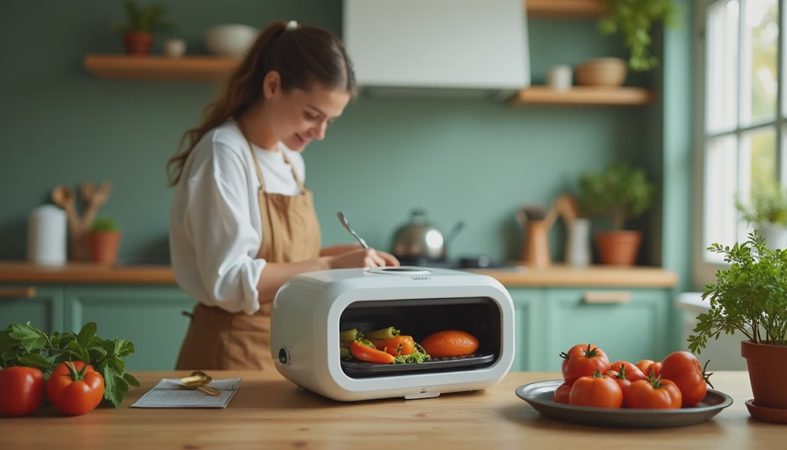
If your kitchen has room and you want to roast vegetables, toast bread, and bake small trays, look at a toaster oven-style machine instead. It will occupy more counter space, but its rectangular interior can be more useful for family dinners. For a small apartment, a compact 4-quart air fryer is easier to store and still handles a weeknight portion of salmon or crispy potatoes.
The best air fryer is ultimately the one that matches your habits, your counter, and your tolerance for cleanup. Measure the space this week, choose the capacity for your usual meal rather than your occasional party, and buy the model you will leave accessible. A great kitchen does not happen by accident. It happens by how you live in it.


No comments yet — be the first to share a thought.