At 7:15 on a Tuesday morning, my son Henry was standing on his step stool, pancake batter was drying on the cabinet handle, and I was trying to find a clean mixing bowl. That is the moment I think about when someone asks me about kitchen renovation costs. A kitchen can look beautiful in a photograph and still make breakfast unnecessarily difficult. The best budget is not the one that buys the fanciest finishes; it is the one that fixes the problems you face every day.
For a full kitchen remodel in the United States, a practical planning range is about $25,000 to $75,000, while a high-end project can pass $100,000. A modest refresh with paint, hardware, lighting, and a new faucet might cost $5,000 to $15,000. Your room size, location, layout, materials, and labor all matter, but the biggest decisions are usually made before you choose a cabinet color.
What kitchen renovation costs usually include
The first step is separating the project into categories. Cabinets often take 25% to 35% of the budget. Stock cabinets from retailers such as IKEA, Home Depot, or Lowe's can keep a smaller project near $6,000 to $15,000, while semi-custom cabinets commonly run $15,000 to $30,000. Custom cabinetry can climb well beyond that, especially when a wall needs unusually shallow storage, tall pantry doors, or furniture-style details.
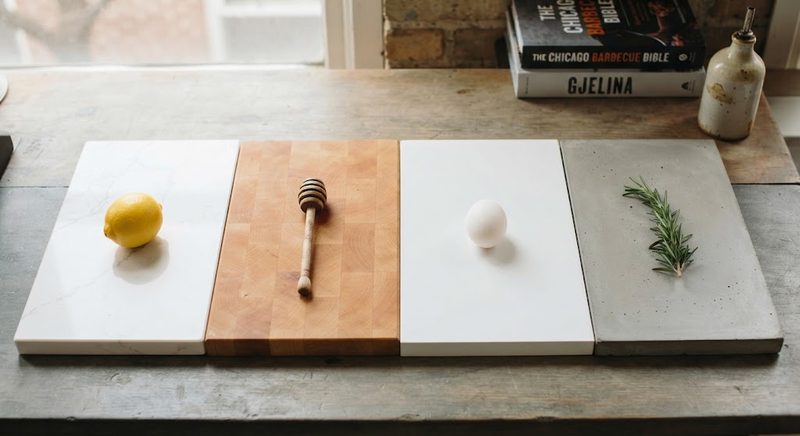
Countertops are another major line item. Laminate may start around $1,500 for a small kitchen, while quartz and granite often land between $3,000 and $8,000 installed. Natural stone can be gorgeous, but it needs the right care and edge treatment. In my own projects, I have seen a straightforward quartz countertop outperform a more expensive material simply because the family did not want to worry about lemon juice, red wine, or Henry's craft projects.
Labor, plumbing, electrical work, flooring, drywall repair, and permits can account for 30% to 40% of kitchen renovation costs. Moving a sink or gas range is much more expensive than replacing one. The distance between the old and new connections matters, as does the condition of the walls and subfloor underneath.

Where kitchen renovation costs rise fastest
Layout changes are the budget ambush. Removing a non-load-bearing wall may cost a few thousand dollars, but moving structural elements, rerouting plumbing, or upgrading an electrical panel can add $5,000 to $20,000 before the first cabinet arrives. A new island also needs clearance. I generally want about 42 inches between opposing work surfaces for one cook, and closer to 48 inches when two people regularly work together.
Appliances create another wide range. A basic refrigerator, range, dishwasher, and microwave package might total $3,000 to $6,000. Midrange options from brands such as Bosch, GE, KitchenAid, or Samsung can put the package closer to $7,000 to $12,000. Pro-style ranges, panel-ready appliances, built-in refrigeration, and specialty ventilation can push kitchen renovation costs upward quickly.
Do not forget the small items that make a finished room function: cabinet pulls, drawer organizers, a garbage disposal, under-cabinet lighting, trim, delivery, installation, and temporary kitchen equipment. I recommend reserving 10% to 15% for surprises. That allowance is not wasted money. It is what protects the project when an old water line breaks behind the dishwasher.
Spend where your hands go every day
The best use of kitchen renovation costs is usually storage, lighting, and surfaces that receive constant abuse. Deep drawers are often more useful than stacks of lower cabinets because you can see pots, pans, and lunch containers without kneeling on the floor. A drawer wide enough for your largest skillet can save several minutes every night.
Lighting deserves more attention than a decorative pendant. Use ceiling fixtures for general brightness, under-cabinet lights for prep work, and a pendant or chandelier only where it will not block sight lines. A $150 lighting upgrade can change the room more dramatically than a $1,000 backsplash.
Spend on a countertop edge that will not chip easily, a faucet with a comfortable pull-down sprayer, and outlets where you actually use appliances. Save on trendy tile patterns, specialty inserts, and hardware that looks precious but feels awkward. My favorite kitchen tool is still a $3 estate-sale garlic press, so I have little patience for spending hundreds on details that do not improve the way dinner gets made.
A sample budget for a practical remodel
Imagine a 12-by-14-foot kitchen in a Chicago bungalow. The homeowners keep the sink, range, and dishwasher in place, replace cabinets, add quartz counters, update lighting, and buy midrange appliances. Their kitchen renovation costs might look like this: $18,000 for semi-custom cabinets, $5,500 for counters, $8,000 for appliances, $9,000 for labor, $3,000 for electrical and plumbing updates, $2,500 for flooring and paint, and $2,000 for hardware, lighting, and accessories. That is $48,000 before a contingency reserve.
Keeping the layout saves money because the contractor can reuse plumbing locations and reduce demolition. Choosing stock cabinets could lower the total by $6,000 or more, while a simpler counter material might save another $2,000. On the other hand, replacing the old electrical panel or repairing water damage could consume those savings immediately. A written scope with product allowances is more useful than a vague promise that the project will stay affordable.

How to reduce kitchen renovation costs without regret
Start by ranking problems rather than shopping for finishes. Write down what annoys you during a normal week: not enough landing space beside the refrigerator, a drawer that catches on the oven, poor light over the cutting board, or no place for recycling. Solve those issues first. A pretty backsplash cannot compensate for a dishwasher that opens into the only walkway.
Get at least three detailed bids, and make sure each includes demolition, disposal, delivery, installation, permits, and finish work. Compare allowances carefully. One contractor may list $8,000 for appliances while another lists $4,000, making the second bid appear cheaper even though the final totals will be similar.
You can also phase the work. Paint, hardware, and lighting can happen now, while new counters or a pantry cabinet wait until savings recover. Refacing existing cabinet boxes is another option when their layout and construction are sound. It will not solve poor storage, but it can refresh doors and drawers for less than a full replacement.
The takeaway before you sign
Kitchen renovation costs become easier to manage when every dollar has a job. Protect the layout when it works, budget generously for labor and hidden repairs, and choose durable features for the places your family touches most. Leave room for a contingency, because real houses contain crooked walls, old wiring, and plumbing surprises that no mood board shows.
This week, measure your walkways, list your five daily frustrations, and price the appliances you truly need. Then ask a contractor to turn that information into a line-item estimate rather than starting with a cabinet catalog. A great kitchen does not happen by accident. It happens by how you live in it.




No comments yet — be the first to share a thought.