At 5:15 on a Chicago afternoon, my kitchen usually contains one tired parent, one hungry five-year-old, and a cutting board I forgot to wash from breakfast. Slow cooker recipes are what get dinner moving before anyone starts eating crackers over the sink. They are not magic, and they cannot rescue every tough cut of meat or watery sauce, but the right method turns a few minutes of morning prep into a warm dinner at the end of the day.
I have used everything from a hand-me-down Crock-Pot to a newer multi-cooker with a stainless steel insert. The appliance matters less than the size, the amount of liquid, and whether the recipe matches your schedule. These are the practical lessons I wish I had taped inside my cabinet door.
Why slow cooker recipes work for real family kitchens
The greatest advantage is timing. A recipe that takes 20 minutes to assemble can cook while you commute, help with homework, or spend an hour looking for the other shoe. A 6-quart cooker is a useful size for most families because it handles a batch of chili, a 3-pound pork shoulder, or enough chicken for dinner plus lunches.
The second advantage is texture. Low, steady heat gives collagen-rich cuts such as chuck roast, pork shoulder, and chicken thighs time to soften. That is why a $12 package of beef chuck can become more satisfying than an expensive steak when you have eight hours available. Lean chicken breast is less forgiving; it can become dry if left on high all afternoon.
Do not fill the crock more than about two-thirds to three-quarters full. An overloaded insert cooks unevenly, while a nearly empty one can overcook the edges. Keep the lid closed, too. Every peek releases heat and extends the cooking time, which I learned after opening the pot repeatedly to admire a roast that was still stubbornly chewy at dinnertime.

Slow cooker recipes for busy weeknight planning
The best slow cooker recipes begin with a calendar, not a shopping list. Decide whether you need dinner at 5:30 or 7:30, then choose a cooking time that leaves a little flexibility. A bean chili, lentil stew, or shredded pork can usually rest on the warm setting briefly. Fish, delicate vegetables, and dairy-based sauces are less tolerant of waiting.
For a family of three or four, I often plan one main meal and two leftovers. Pulled pork becomes tacos on Tuesday, then sandwiches with crunchy slaw on Wednesday. Chicken cooked with salsa can fill tortillas, top rice, or become a quick quesadilla. Labeling the leftovers before putting them in the refrigerator prevents the familiar Thursday question: Is this chili or last week's pasta sauce?
Prep can happen the night before, but keep raw meat refrigerated in its own covered container rather than assembling a cold insert and leaving it out. Chop onions, measure spices, and rinse beans ahead of time. In the morning, add everything to the cooker, check that the insert is seated correctly, and set a phone reminder for any finishing step.
How to build a better slow cooker meal
Start with flavor at the beginning. Salt meat before it goes into the cooker, and brown it in a skillet if you have an extra 10 minutes. Browning is not required for food safety, but it adds a deeper roasted flavor that slow cooking alone does not create. I use a basic 12-inch stainless skillet for this rather than dirtying a special appliance insert.
Use less liquid than you would in a stovetop soup. Slow cookers lose very little water during cooking, so a full cup of broth can turn into a thin sauce. Meat and vegetables also release moisture. For a stew, liquid should generally come partway up the ingredients, not cover them completely. Add thickening ingredients such as flour or cornstarch near the end, after mixing them with cold water to prevent lumps.
Layer dense ingredients on the bottom. Carrots, potatoes, and onions need more direct heat than small pieces of zucchini or frozen peas. Add tender vegetables during the final 30 to 60 minutes when possible. Fresh herbs also taste brighter at the end, while sturdy herbs such as rosemary and thyme can handle the full cooking time.
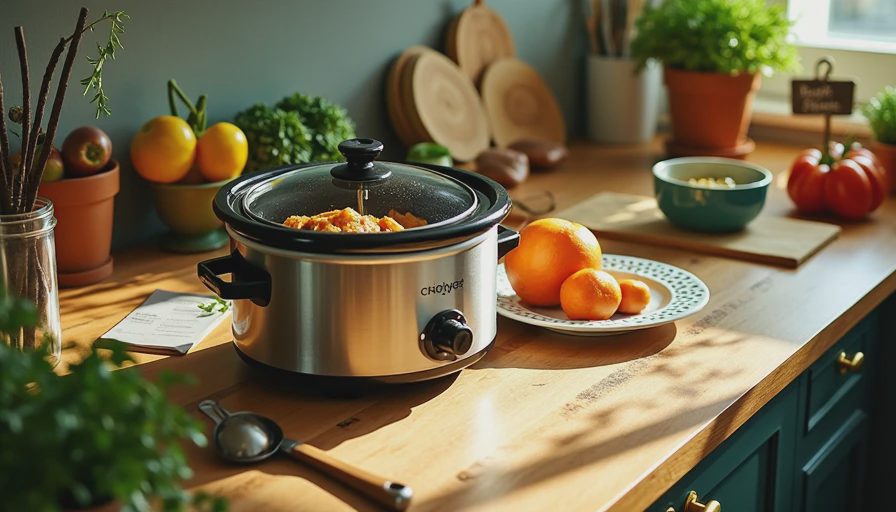
Slow cooker recipes worth repeating
A weeknight beef stew is a dependable starting point: beef chuck, carrots, baby potatoes, onion, beef broth, tomato paste, thyme, and a little Worcestershire sauce. Brown the beef first, then cook on low for seven to eight hours. If the gravy needs help, remove a cup of liquid at the end and whisk in a cornstarch slurry before returning it to the pot.
Chicken tortilla soup is faster and lighter. Combine boneless chicken thighs, canned tomatoes, black beans, corn, onion, cumin, broth, and lime juice. Cook until the chicken shreds easily, then add the lime after turning off the heat. Serve with tortilla strips, avocado, or grated cheese. Henry likes choosing his own toppings, which is a small kitchen trick that makes a one-pot dinner feel custom-made.
For a meatless option, try lentil curry with brown lentils, canned coconut milk, vegetable broth, diced tomatoes, curry powder, garlic, and sweet potato. Add spinach during the last few minutes. This is one of the slow cooker recipes that improves overnight, so it is especially useful for Sunday cooking and Monday lunches.
Choosing the right cooker and making cleanup easier
A 4-quart model suits two people or smaller portions, but it can feel cramped when you want leftovers. A 6-quart oval cooker is the practical middle ground for most households. An 8-quart version makes sense for large batches, holiday meals, or a family that freezes portions, although it takes more cabinet and counter space.
Look for a removable insert, a tight-fitting glass lid, and controls you can read without bending down. Programmable timers are convenient, but a timer that switches to warm does not make food safe indefinitely. Refrigerate leftovers within two hours, divide large amounts into shallow containers, and reheat soups or meat until steaming hot.
Cleanup is easier when you spray the insert lightly or use a reusable silicone liner. I prefer the insert itself because it avoids disposable waste, but a liner can be helpful after sticky barbecue chicken. Never pour cold water into a hot ceramic insert; thermal shock can cause cracking, as I learned with a vintage piece from an estate sale.
A simple plan for this week
Choose one recipe with a forgiving finish, such as chili, stew, or shredded pork. Shop for the exact amount of meat, one onion, two or three vegetables, a flavorful liquid, and a finishing ingredient such as lime, fresh herbs, yogurt, or grated cheese. Set out the cooker, cutting board, and measuring spoons the night before so morning prep takes less than 15 minutes.
Then write the reheating plan before you start cooking. If you have leftovers, freeze them in two-cup containers rather than one giant block. Add a date and the meal name to each lid. The most useful slow cooker recipes are not simply tasty; they reduce tomorrow's work without creating a refrigerator mystery.
A great kitchen does not happen by accident. It happens by how you live in it. This week, let that mean choosing one dependable meal, using the cooker you already own, and giving yourself a calmer path from breakfast dishes to dinner.

No comments yet — be the first to share a thought.