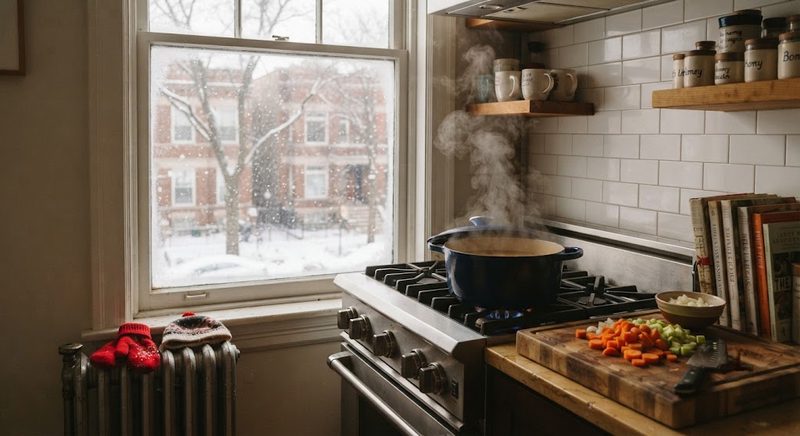
At 3:45 on a Chicago Tuesday, my kitchen usually looks like a small storm passed through it. Henry is asking for a snack, Jack is opening the refrigerator, and I am trying to remember whether I moved the chicken from the freezer. That is exactly when four hour slow cooker recipes earn their counter space. They are long enough to build real flavor but short enough for a workday, school day, or Saturday when you simply want dinner handled before the afternoon disappears.
Why four-hour cooking works
A slow cooker does not need to run for eight hours to be useful. Four hours on high is often the sweet spot for smaller cuts of chicken, ground meat sauces, beans that have already been cooked, and vegetables that you want tender without turning soft and gray. The goal is not to force every recipe into the same timing. The goal is to match the cooking time to the ingredient.
Chicken thighs are particularly forgiving because their higher fat content helps them stay juicy. Boneless breasts need more attention; they can become dry if left on high long after they are cooked. For food safety, poultry should reach 165 degrees Fahrenheit in the thickest part, measured with an instant-read thermometer. My $18 ThermoPro thermometer has saved more dinners than several expensive gadgets.
Four hour slow cooker recipes also work best when the cooker is at least half full but not packed above its recommended fill line. Heat needs room to circulate. If you double a recipe in a small three-quart model, the center may take much longer to cook than the edges. I learned that lesson with a crowded batch of turkey chili that was steaming around the perimeter while the middle stayed stubbornly lukewarm.
Three dependable recipes to start with
One of my favorite four hour slow cooker recipes is lemon garlic chicken. Add 1 1/2 pounds of boneless chicken thighs, 3/4 cup low-sodium chicken broth, the juice of one lemon, four smashed garlic cloves, one teaspoon dried oregano, and a generous pinch of salt. Cook on high for about four hours, then shred the chicken into the cooking liquid. It is excellent over couscous, tucked into pita, or served with a bagged salad that costs around $4.
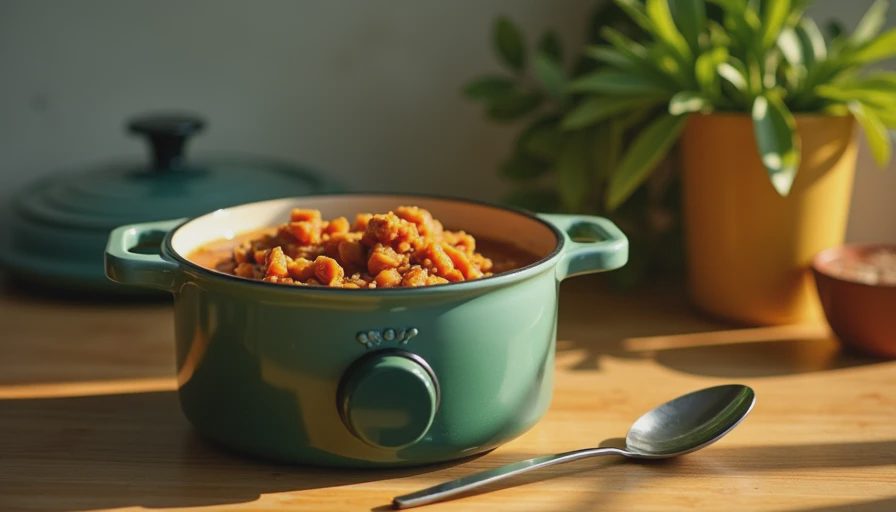
For a hearty option, brown one pound of ground turkey or beef in a skillet first. Put it in the cooker with a 28-ounce can of crushed tomatoes, one 15-ounce can of rinsed beans, a diced bell pepper, one tablespoon chili powder, and half a teaspoon of cumin. Browning is not mandatory, but it gives the finished chili a deeper flavor and keeps excess fat out of the sauce. Cook on high for four hours and finish with shredded cheddar, green onions, or a spoonful of plain yogurt.
The third is a practical vegetable curry. Combine one chopped sweet potato, one 15-ounce can of chickpeas, a sliced onion, one can of coconut milk, two tablespoons red curry paste, and a cup of vegetable broth. Cook for four hours on high, then add a few handfuls of spinach during the final five minutes. Serve with microwave rice when the evening is especially crowded. This is the sort of meal that makes a $35 slow cooker feel more valuable than another decorative appliance.
How to build flavor without extra work
The common complaint about slow cooker meals is that they taste flat. Usually, the problem is not the appliance; it is the lack of finishing touches. Salt the main ingredients before they go in, use broth instead of plain water, and add at least one aromatic such as onion, garlic, ginger, celery, or fresh herbs.
Do not automatically pour in every liquid listed for a stovetop recipe. Slow cookers lose very little moisture, so soups and sauces can become thin if the recipe was not designed for this method. Start with less broth than you think you need. You can loosen a thick sauce at the end, but reducing a watery one takes time and another pan.
Acid is another small fix with a large effect. A teaspoon or two of lemon juice, cider vinegar, or lime juice stirred in after cooking can make beans, chicken, and tomato sauces taste brighter. Fresh cilantro, parsley, sliced scallions, grated Parmesan, and toasted pumpkin seeds also add texture. I keep a tube of tomato paste and a jar of better-than-bouillon-style concentrate in the pantry for this reason: they provide depth without requiring a trip to the store.
four hour slow cooker recipes are especially successful when the final garnish is planned from the beginning. Put tortillas beside taco chicken, crusty bread beside stew, or cooked rice beside curry before you start the cooker. The meal feels complete instead of like a container of filling waiting for inspiration.
Timing mistakes that change the result
Opening the lid repeatedly is the easiest way to disrupt a four-hour schedule. Every peek releases heat and extends cooking time, particularly in older cookers. Use the glass lid, make a note of the start time, and check once near the end unless the recipe specifically asks you to stir.
Frozen meat is another risky shortcut. A frozen roast or chicken breast can spend too long warming through, so thaw it safely in the refrigerator before cooking. Frozen vegetables, however, are generally convenient additions. Peas, corn, and spinach can go in near the end so they keep their color and texture.
Size matters, too. Cut carrots and sweet potatoes into roughly one-inch pieces so they finish alongside the meat. Large chunks may still be firm after four hours, while thin slices can collapse into the sauce. Put dense vegetables on the bottom, closer to the heating element, and place delicate ingredients on top.
If dinner is ready before everyone gets home, use the warm setting only for a reasonable holding period rather than treating it as a second cooking cycle. A dish that sits for hours can lose texture, and dairy-based sauces can separate. Transfer leftovers to shallow containers and refrigerate them within two hours. They are usually best within three to four days.
Choosing a slow cooker for real life
You do not need a premium machine for reliable meals. A basic six-quart Crock-Pot or Hamilton Beach model is enough for a family of four and leaves room for leftovers. A three-quart cooker suits two people or smaller portions. If your household eats at different times, a programmable model with a locking lid can be useful, but the timer does not replace safe food handling.
Look for a removable insert that feels manageable when full. A heavy ceramic crock is stable but awkward to lift from a sink. Some newer models offer a stovetop-safe insert for browning, which saves washing a skillet, though I still prefer a separate pan when I want a proper sear. Before buying, measure the counter space between your backsplash and upper cabinets. I have specified beautiful appliances that could not fit beneath the cabinets once the lid was opened.
A slow cooker with a clear digital display, simple controls, and a three-year warranty is usually a better choice than one covered in complicated settings. The best feature is the one you will use on a Wednesday morning.
A simple weekly plan
Four hour slow cooker recipes become much easier when the ingredients are grouped ahead of time. On Sunday, chop two onions, wash the vegetables, portion spices into small containers, and label two freezer bags with the recipe name and cooking instructions. Keep raw meat refrigerated until you are ready to cook it rather than assembling bags days in advance.
On cooking day, set out the broth, canned goods, and serving ingredients before breakfast. Put the meal together in about ten minutes, start the cooker, and leave a note with the intended finish time. If the chicken finishes at 4:00 but dinner is at 6:00, shred it into its sauce and refrigerate it instead of leaving it warm indefinitely. Reheat gently on the stove or in the microwave.
That small amount of planning gives you four hour slow cooker recipes that fit an actual household, not an imaginary kitchen where everyone eats at exactly 6:30. Start with lemon chicken, chili, or chickpea curry this week, then adjust the spice and toppings to suit your family. A great kitchen does not happen by accident. It happens by how you live in it.

No comments yet — be the first to share a thought.