At 5:42 on a Tuesday, Henry was standing on his step stool, shaking grated Parmesan onto the floor while I tried to keep a pot from boiling over. That is exactly when Italian pasta dishes earn their place in a home kitchen. They are flexible, comforting, and usually built from ingredients already in the pantry. You do not need a marble island, a copper pot, or an afternoon to make dinner feel generous.
Start with the pasta shape
The shape is not decoration; it is part of the recipe. Long strands such as spaghetti and linguine work beautifully with smooth sauces, olive oil, garlic, and seafood. Short shapes with ridges, including rigatoni and penne rigate, hold onto chunky tomato sauces and bits of sausage. Orecchiette catch peas and small vegetables in their little cups, while bucatini gives a simple tomato sauce more chew and presence.
For most Italian pasta dishes, I reach for bronze-cut dried pasta when the price is reasonable. Its slightly rough surface helps sauce cling instead of pooling at the bottom of the bowl. De Cecco and Barilla are dependable grocery-store options, though the best choice is often the box already in your cupboard. Fresh pasta cooks quickly and feels luxurious, but dried pasta is usually more forgiving on a busy weeknight.
Read the cooking time as a starting point, not a command. I taste a strand two minutes before the package says it is done. The center should have a pleasant firmness without tasting chalky. Reserve a mug of cooking water before draining; that cloudy, starchy liquid is one of the most useful ingredients in the kitchen.
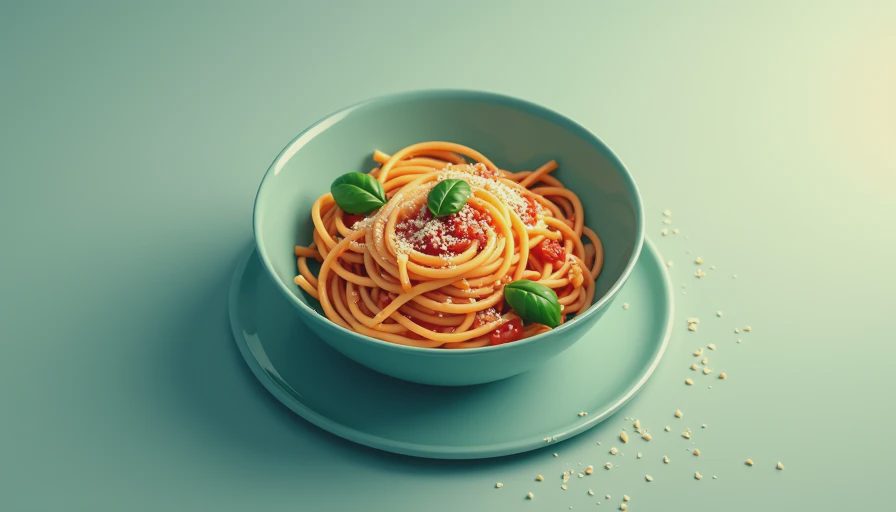
Five pantry combinations that actually work
A tomato sauce does not need a long simmer to taste complete. Warm olive oil with sliced garlic, add crushed tomatoes, salt, and a pinch of red pepper, then let it bubble for 15 to 20 minutes. Tossing the pasta directly into the skillet creates a smoother finish than spooning sauce over noodles at the table. This is one of the easiest Italian pasta dishes to make when everyone arrives home hungry at a different time.
For cacio e pepe, use finely grated Pecorino Romano, plenty of black pepper, and pasta water. Turn off the heat before adding the cheese so it melts into a sauce rather than clumping. A small handful of cheese and a few tablespoons of water can transform a dry bowl. It took me three attempts to stop making this dish grainy, and the answer was gentler heat, not a more expensive pan.
Pasta aglio e olio is even simpler: garlic warmed slowly in olive oil, red pepper flakes, parsley, and enough pasta water to make the oil coat every strand. Add sautéed spinach, canned white beans, or leftover roasted broccoli if dinner needs more substance. Italian pasta dishes are at their best when they give leftovers a useful second life.
A practical grocery list
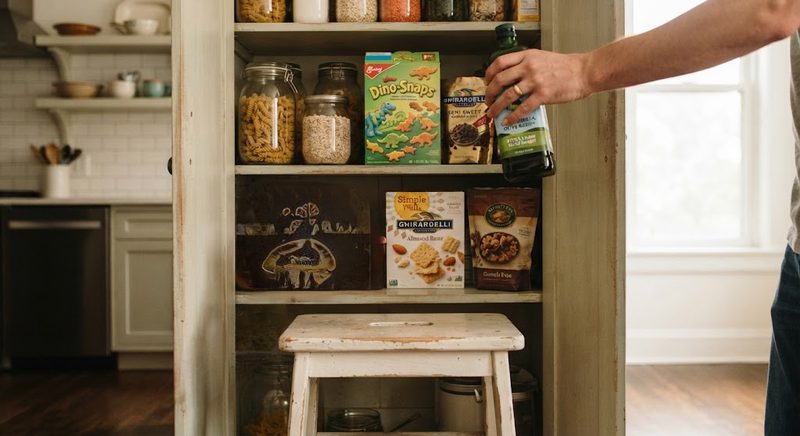
My weeknight shelf has one jar of anchovies, two cans of whole peeled tomatoes, dried oregano, red pepper flakes, good olive oil, and several shapes of pasta. Anchovies disappear into the sauce and add savory depth without making dinner taste fishy. A $6 wedge of Parmesan or Pecorino lasts longer than a tub of pre-grated cheese, and it also gives you a useful rind for soup or tomato sauce.
In the refrigerator, I like lemons, parsley, butter, eggs, and a sturdy green such as kale. Frozen peas are particularly helpful because they cook in the time it takes the pasta to reach the table. A package of Italian sausage, mushrooms, or rotisserie chicken can turn a basic sauce into a full meal for four. None of these ingredients requires a specialty market or a carefully styled pantry.
A wide 12-inch skillet is more valuable than a large collection of single-purpose tools. I use a $35 stainless steel sauté pan for sauce, vegetables, and reheating. A spider strainer makes lifting pasta easy, while a box grater handles cheese without taking up drawer space. The fancy pasta fork can wait.
How to make dinner taste restaurant-level
Salt the pasta water generously, but do not rely on it to rescue a bland sauce. Season tomatoes early, then taste again after the pasta and cheese are added. The final seasoning often needs only a squeeze of lemon, a drizzle of olive oil, or a few grinds of pepper.
The most important technique in Italian pasta dishes is finishing the pasta in the sauce. Transfer nearly cooked noodles into the skillet with a splash of reserved water. Toss for one to two minutes as the sauce thickens and coats the noodles. This step brings together starch, fat, and seasoning. If the skillet looks dry, add water one tablespoon at a time instead of pouring in more oil.
I learned this after serving a perfectly respectable bowl of spaghetti that tasted strangely separate: noodles here, sauce there, cheese sitting on top like an afterthought. The ingredients were fine. The finish was missing. Now Henry can help tear basil while I do the final toss, which is a much better division of labor.

Three family-friendly dinner paths
For a picky eater, start with buttered noodles and offer a small spoonful of tomato sauce on the side. Fusilli or shells make the meal playful without requiring a second dinner. For a meatless meal, combine rigatoni with marinara, roasted zucchini, and mozzarella, then broil it until the edges turn golden. Leftovers reheat well with a splash of water and a covered skillet.
For a faster protein option, brown sliced chicken sausage while the pasta cooks. Add cherry tomatoes, spinach, and a little pasta water, then fold in penne. This is one of those Italian pasta dishes that can move from cutting board to table in about 30 minutes, including the time spent looking for the missing Parmesan lid.
When I cook for adults, I add heat at the table with Calabrian chile paste or extra pepper instead of making the whole pan spicy. That small adjustment keeps one dinner workable for different tastes. A five-year-old can eat plain pasta from the same pot while everyone else gets a more assertive sauce.
The kitchen setup that makes pasta easier
Place the pasta pot near the sink and keep a heatproof measuring cup beside it. Put the colander away unless you truly need it; lifting pasta directly into the sauce preserves more cooking water and leaves one less heavy object to wash. If your cooktop is crowded, a 6-quart pot and a 12-inch skillet are enough for most meals.
Lighting matters more than people expect. Under-cabinet lights make it easier to judge whether garlic is pale gold or already bitter brown. I recommend warm, dimmable LEDs around 3000K for a kitchen that needs to handle both chopping and dinner cleanup. This is a small remodel decision, usually far less costly than changing cabinets, but it improves every cooking task.
A great kitchen does not happen by accident. It happens by how you live in it. If pasta is a weekly habit, give the pot a permanent home, keep the everyday oil within reach, and store the cheese grater where it can be grabbed with one hand.
A simple plan for this week
Choose two Italian pasta dishes before grocery shopping: one tomato-based and one built around pantry ingredients. Buy one pasta shape for each, then add a vegetable and a protein only if the meal needs them. On Monday, make spaghetti with garlic, olive oil, and greens. Later in the week, use rigatoni with tomato sauce, sausage, or white beans. Save a cup of sauce and a handful of cooked pasta for lunch rather than cooking from scratch again.
The goal is not culinary perfection. It is a dinner system that survives a late meeting, a small helper with a wooden spoon, and a sink full of pancake batter from Saturday morning. Italian pasta dishes work because they are delicious enough for a weekend and practical enough for a Tuesday. Start with the shape you have, finish it in the sauce, and put dinner on the table while it is still hot.

No comments yet — be the first to share a thought.