On Sunday afternoon, my Chicago kitchen usually looks like a tiny tornado passed through it: one sheet pan cooling, Henry hunting for grapes, and a cutting board full of carrots. That is where the best meal prep ideas start, not in a perfect Pinterest fridge. If your week has school drop-off, late meetings, and one night when nobody wants the same thing, the goal is not to cook every meal in advance. The goal is to do the boring part once, then turn it into fast dinners and lunches that still taste fresh on Wednesday. A few smart meal prep ideas can save $40 to $80 a week compared with ordering takeout three or four times, and they make the kitchen feel calmer by Friday.
Start with one anchor protein
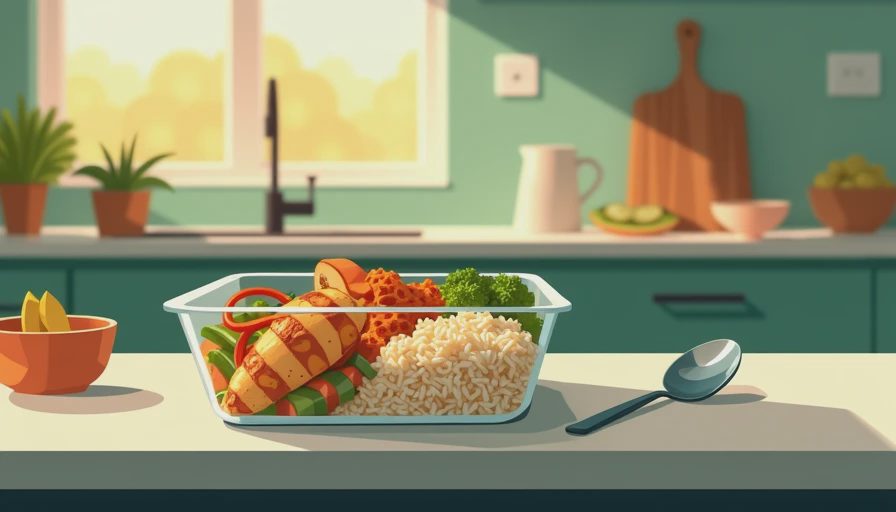
The easiest system is one protein, one starch, one vegetable, and one sauce. I like a pound and a half of chicken thighs, a block of tofu, or a tray of turkey meatballs because they hold up for three days without getting sad. Roast the protein with olive oil, salt, pepper, and garlic powder, then add a pan of broccoli, zucchini, or carrots. On the side, cook rice, farro, or baby potatoes. This is the kind of meal prep ideas framework that survives a real kitchen because every part can be repurposed: chicken becomes tacos, grain bowls, or a soup starter. If you buy a rotisserie chicken for $8 to $12, you can stretch it into two dinners and one lunch with almost no extra work.
The trick is to cook with the calendar in mind. If Wednesday is usually chaos, make Wednesday's lunch the first thing you portion into a container. That small move turns a roasting pan into three useful meals instead of one good dinner and two forgotten scraps.
Choose recipes that share ingredients
I like building around overlapping ingredients because it cuts waste and keeps the fridge from turning into a science project. If Monday is taco bowls, Tuesday can be quesadillas, and Wednesday can be a chopped salad using the same romaine, black beans, and salsa. A bag of shredded cabbage plays nicely with chicken, salmon, or peanut noodles. A jar of pesto can go on pasta one night and on sandwich bread the next. When I plan from the fridge backward, I spend less on random specialty items and more on staples like lemons, eggs, yogurt, and onions. The best part is that the food feels different even when the shopping list is short, which is why this approach works so well for busy families.
Use containers that make leftovers inviting
Leftovers fail when they live in flimsy containers with mystery lids. I like clear glass containers with tight seals, especially Rubbermaid Brilliance or Pyrex, because you can see what is inside before it gets buried behind the milk. For salads, keep dressing in a separate 2-ounce cup or a small Stasher bag so greens stay crisp. For grain bowls, use a shallow container so the food cools quickly and reheats evenly. A good set runs from about $20 to $40, and it saves money the first week you stop throwing out half-eaten food. In my house, I also keep one extra container for Henry snacks so the adult food does not disappear into a pile of crackers. Better storage is not glamorous, but it is one of the most practical meal prep ideas you can buy.
Make the grocery list from the fridge
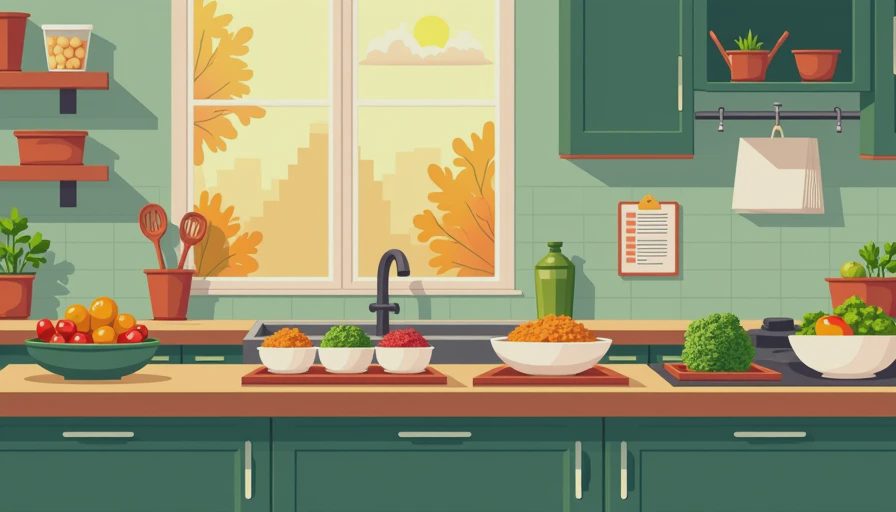
Before I shop, I do a quick drawer check and write down the exact perishables that need help. Half an onion, a handful of herbs, three carrots, and one lonely bell pepper can become soup, fried rice, or a frittata. If the refrigerator already has salsa, yogurt, mustard, or a jar of pickles, those should shape the menu too. This is where meal prep ideas turn from a plan on paper into an actual Sunday routine. I usually shop one store, stick to produce, protein, and one treat, and avoid buying six new condiments just because they sound useful. A grocery bill built this way often lands $15 to $25 lower than a cart full of one-off items. The food gets used before it wrinkles, which is the difference between a kitchen that feels organized and one that just looks organized.
Keep a backup plan for nights that go sideways
Some weeks, the most useful prep is not a full menu at all. It is a backup meal that can be assembled in ten minutes after a late call or a soccer practice that runs long. I keep pasta, jarred marinara, a block of Parmesan, and frozen meatballs on hand for exactly that reason. Tacos also work if you keep tortillas, canned beans, shredded cheese, and one bag of slaw mix in the house. The point is not perfection. The point is to avoid the expensive, tired decision that ends in delivery fees and three barely eaten side dishes. If you know your panic meals, you can shop for them once and keep weeknights from falling apart.
A Sunday reset that works on a busy Tuesday
The routine does not have to take all afternoon. I block 60 to 90 minutes, preheat the oven, and start with the longest-cooking item first. While that roasts, I wash herbs, cook one grain, and chop the crunchy stuff. Then I make one sauce, usually a lemony yogurt sauce, tahini dressing, or vinaigrette, because sauce is what keeps leftovers from tasting like leftovers. If I am behind, I do a smaller version: one tray of vegetables, one protein, and one pot of rice. On the busiest weeks, that is enough to turn three dinners into five. If you want meal prep ideas that actually stick, make them boring in the best way possible: repeatable, affordable, and easy to clean up. A great kitchen doesn't happen by accident. It happens by how you live in it.



No comments yet — be the first to share a thought.